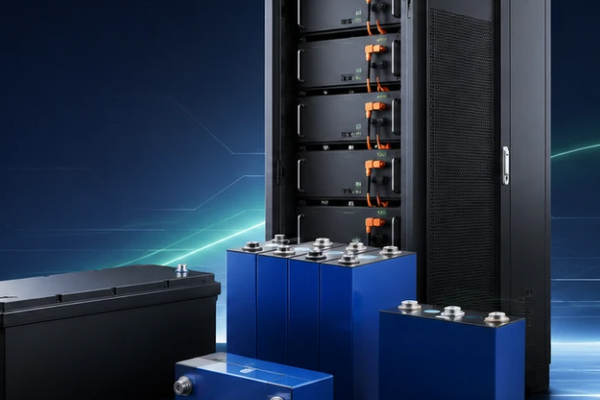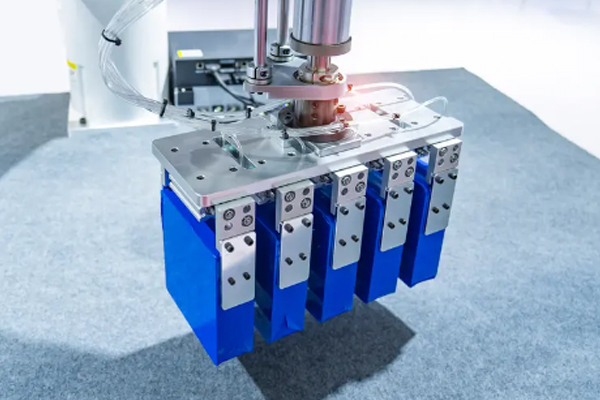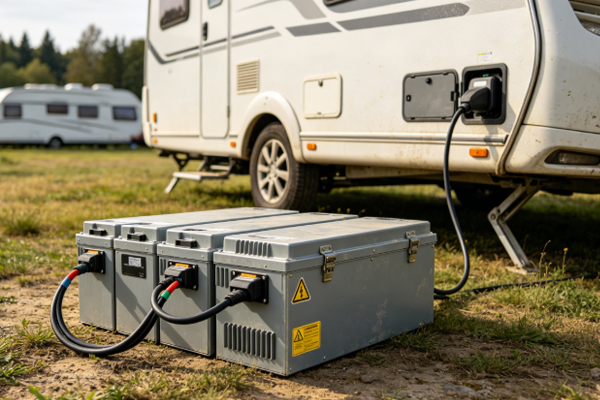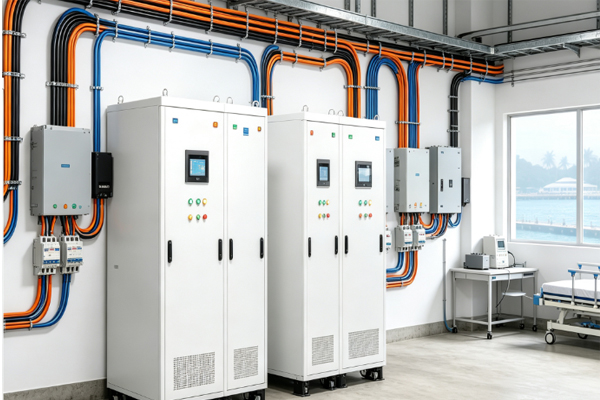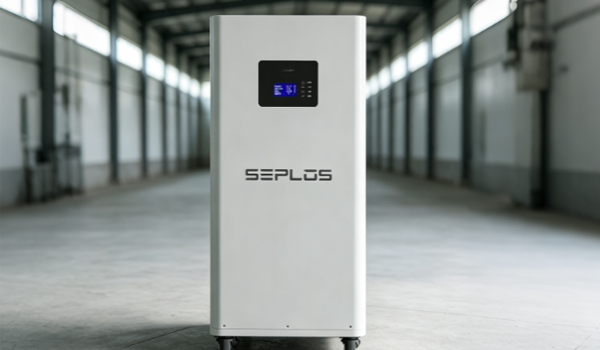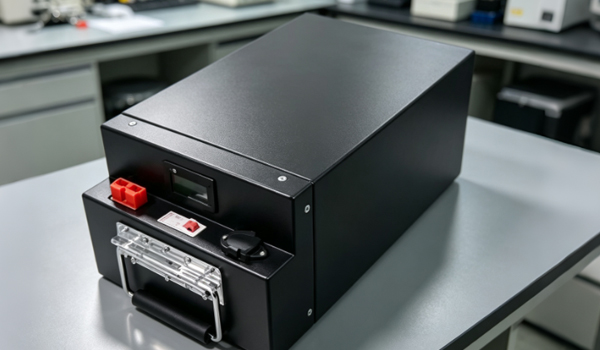
Schools are high-occupancy facilities where teaching buildings, dormitories, laboratories, libraries, cafeterias, offices, and campus security systems all depend on a stable electricity supply. When grid power fails, severe weather affects power distribution, or local electrical lines require maintenance, backup power needs to take over quickly to keep critical equipment operating. The School Backup Power LiFePO4 Battery Solution uses high-safety lithium iron phosphate batteries as the core energy storage system. Combined with inverters, intelligent Battery Management Systems (BMS), charging equipment, and energy monitoring platforms, it creates a stable backup energy system for educational facilities.
Compared with traditional lead-acid batteries, LiFePO4 batteries offer long cycle life, relatively low weight, high energy utilization, and excellent thermal stability, making them suitable for school energy storage applications that require long-term operation and repeated charging and discharging. The system can be configured according to actual campus loads and battery requirements, storing electrical energy during normal grid operation and supplying backup power when grid electricity becomes unavailable. Through appropriate capacity planning and intelligent energy management, critical school equipment can receive more continuous and reliable power support.
LiFePO4 Backup Batteries Improve Campus Power Reliability
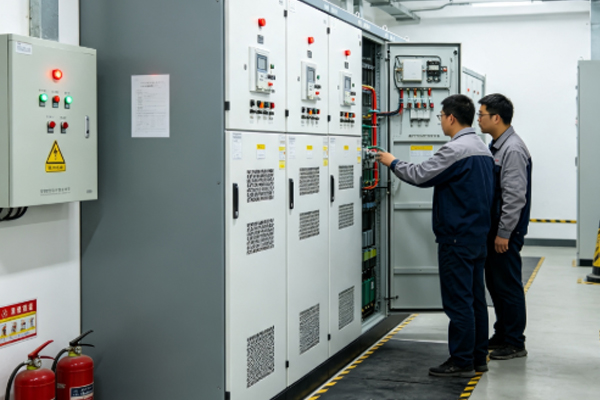
School backup power is more than simply adding a battery bank. The system needs to be designed according to campus load types, expected outage duration, equipment power requirements, and available installation space. LiFePO4 batteries can work together with UPS systems, inverters, and distribution equipment to provide continuous power for network equipment, monitoring systems, emergency lighting, fire protection equipment, and communication systems. When grid power is restored, the energy storage system can automatically return to charging mode and prepare for the next backup power event. For schools that need to maintain teaching operations and campus safety, reliable energy storage can reduce the impact of unexpected power outages.
Long Cycle Life Reduces Long-Term Energy Storage Costs
School backup power systems typically remain on standby for extended periods while also requiring reliable cycling capabilities. LiFePO4 batteries have a stable internal material structure and are suitable for long-term energy storage and periodic charging and discharging. With intelligent management systems controlling battery operation, unnecessary charging and discharging can be reduced, helping extend the overall service cycle.
LiFePO4 batteries used for campus backup power provide several important benefits:
- Long cycle life: Suitable for long-term school energy storage projects and helps reduce frequent battery replacement.
- Stable output: Provides continuous electricity for networks, lighting, monitoring systems, communication equipment, and other critical loads.
- High energy utilization: Appropriate charging and discharging management helps improve the actual utilization of stored energy.
- Simple maintenance: Intelligent BMS technology monitors battery conditions and provides protection, reducing manual management requirements.
Reliable and durable battery performance can reduce maintenance demands during long-term operation and establish a more stable backup energy foundation for schools.
Flexible Capacity Design Fits Different Campus Sizes
Schools differ in building size, equipment quantity, and backup power requirements, so battery capacity cannot follow a single configuration. A small school may primarily need to protect communication, lighting, and security systems, while a large campus may need backup power for server rooms, fire protection systems, security infrastructure, emergency equipment, and other critical loads. LiFePO4 batteries can be combined in modular configurations, allowing storage capacity to be expanded according to actual load requirements.
| Campus Size | Storage Configuration | Key Equipment | Typical Requirement |
| Small School | Small-capacity storage | Lighting, monitoring, communication | Short-term emergency power |
| Medium School | Medium-capacity storage | Network, monitoring, access control, office equipment | Comprehensive backup power |
| Large Campus | Large-capacity storage | Server rooms, fire protection, security, emergency systems | Multi-area continuous power |
| Integrated Education Campus | Customized modular system | Multiple critical loads | Long-duration energy protection |
Proper capacity planning prevents insufficient backup duration caused by undersized systems while also reducing unnecessary investment and space consumption from excessive battery capacity.
School Backup Energy Applications and Intelligent Management
Campus electrical equipment covers many categories, and different devices have different requirements for power continuity and output stability. The School Backup Power LiFePO4 Battery System can prioritize power distribution according to the importance of different loads, allocating stored energy to critical equipment first. The system can also work with grid electricity, solar generation, and other energy input equipment, storing electricity during normal operation and releasing power according to preset strategies during outages. This improves the utilization efficiency of stored energy.
Multi-Scenario Backup Power Supports Campus Operations
School backup power systems need to cover teaching, administration, security, and infrastructure requirements. LiFePO4 energy storage systems can be configured according to equipment importance and prioritize critical loads during unexpected power outages.
Common application scenarios include:
- Campus security systems: Provides continuous power for surveillance cameras, access control systems, and alarm equipment.
- Network and communication equipment: Keeps switches, routers, servers, and related devices operating.
- Emergency lighting systems: Maintains essential lighting after a power outage and supports safe evacuation.
- Fire protection equipment: Provides backup energy for selected critical fire safety systems.
- Office and teaching equipment: Supports important computers, terminals, and office equipment according to available battery capacity.
Multi-scenario applications improve the emergency response capability of campus energy systems and help schools maintain critical infrastructure during grid failures.
Intelligent BMS Strengthens Battery Management
School energy storage systems need to maintain stable operation over long periods, making Battery Management Systems an important component. BMS technology continuously collects battery voltage, current, temperature, and state-of-charge data while using protective functions to reduce abnormal operating risks. Larger campus storage projects can also integrate centralized energy monitoring platforms to manage multiple battery modules.
Key intelligent management functions include:
- Real-time monitoring of battery operating data.
- Overcharge and over-discharge protection.
- Monitoring of operating temperature and abnormal conditions.
- Balancing of individual cells within the battery pack.
- Recording of energy storage system operating information.
- Optimization of charging and discharging strategies based on load conditions.
Intelligent management allows campus administrators to understand battery conditions more clearly, identify potential problems in time, and improve the management efficiency of backup energy systems.
Multi-Energy Coordination Extends Backup Power Duration
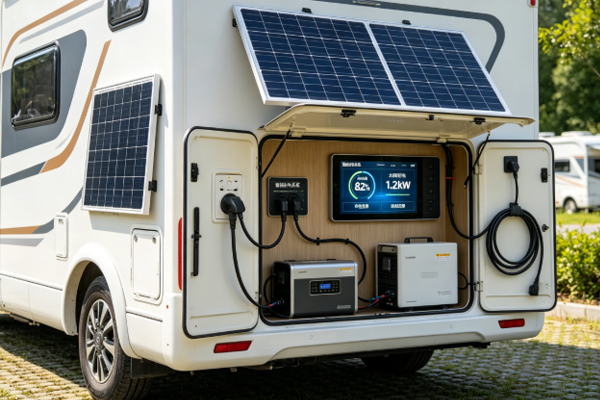
Schools can combine LiFePO4 energy storage systems with solar photovoltaic systems, campus distribution networks, and other energy equipment. During daylight hours, solar power can supply campus loads, while surplus electricity can be stored in the battery system according to the system configuration. During a grid outage, stored battery energy can be converted through inverters to provide suitable electricity for critical loads.
This coordinated energy model reduces dependence on a single power source and improves renewable energy utilization across the campus. Schools with large rooftop areas can also integrate photovoltaic generation with energy storage capacity planning, creating a more complete energy management system that combines daily energy savings with emergency power support.
High-Performance Energy Storage Meets Long-Term Campus Requirements
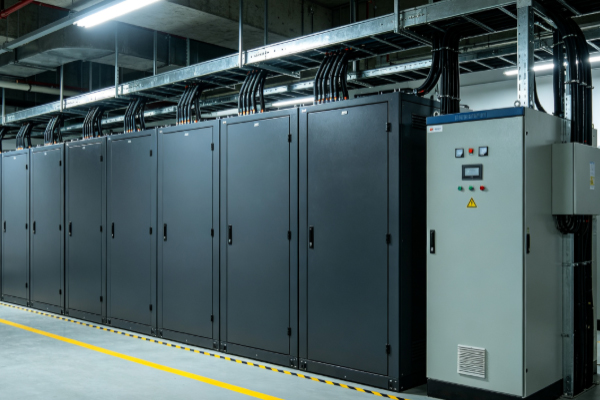
School backup power systems need to operate reliably over long periods while adapting to seasonal changes and different campus environments. LiFePO4 batteries provide strong cycling performance and thermal stability. When combined with appropriately designed battery cabinets, ventilation systems, and protection equipment, they can provide reliable operating conditions for campus energy storage. Proper matching between battery capacity, inverter power, and load requirements can further improve backup power efficiency during outages.
Stable Performance Supports Continuous Operation of Critical Equipment
Critical school equipment requires a high level of power continuity. Surveillance systems may need to operate around the clock, network equipment must maintain data communication, and emergency lighting needs to activate quickly during power failures. LiFePO4 batteries provide stable DC energy storage and can supply AC loads through compatible inverter equipment.
| Performance Indicator | LiFePO4 Backup Power Characteristics |
| Cycle Life | Suitable for long-term charging and discharging |
| Thermal Stability | High and suitable for energy storage |
| Output Capability | Stable continuous discharge |
| Capacity Expansion | Modular configuration available |
| Management Method | Intelligent BMS monitoring |
| Service Application | Suitable for long-term backup storage |
Stable battery performance helps reduce the impact of unexpected power failures on critical equipment and improves the continuous operating capability of campus energy systems.
Customized Configuration Matches Actual Campus Loads
School backup power systems do not necessarily need to keep every device operating at full load during an outage. A load-priority strategy can be established according to equipment importance. By evaluating the power requirements of critical loads, expected outage duration, and equipment startup characteristics, the required battery capacity can be calculated and appropriate inverter and distribution configurations can be selected.
Customized design can include:
- Determining storage capacity according to campus building size.
- Selecting inverter specifications according to critical equipment power.
- Planning battery quantities based on expected backup duration.
- Designing battery cabinets and distribution structures according to installation locations.
- Configuring monitoring platforms according to campus energy management requirements.
With appropriate configuration, the energy storage system can more accurately match actual school electricity requirements while improving equipment space utilization and energy efficiency.
LiFePO4 Energy Storage Supports Green Campus Development
Schools are increasingly focusing on energy conservation, environmental protection, and efficient energy management. When LiFePO4 batteries are integrated with solar photovoltaic systems, part of the clean electricity generated during the day can be stored and released when required. This approach can improve renewable energy utilization and reduce dependence on conventional electricity.
As digital campus infrastructure continues to develop, energy storage systems can also connect with intelligent energy management platforms to support power monitoring, load management, operating data recording, and energy scheduling. The School Backup Power LiFePO4 Battery Solution can combine emergency power supply, energy storage, and green electricity management, providing stable energy protection for classrooms, dormitories, libraries, laboratories, and public campus facilities while establishing a reliable foundation for future smart campus energy systems.