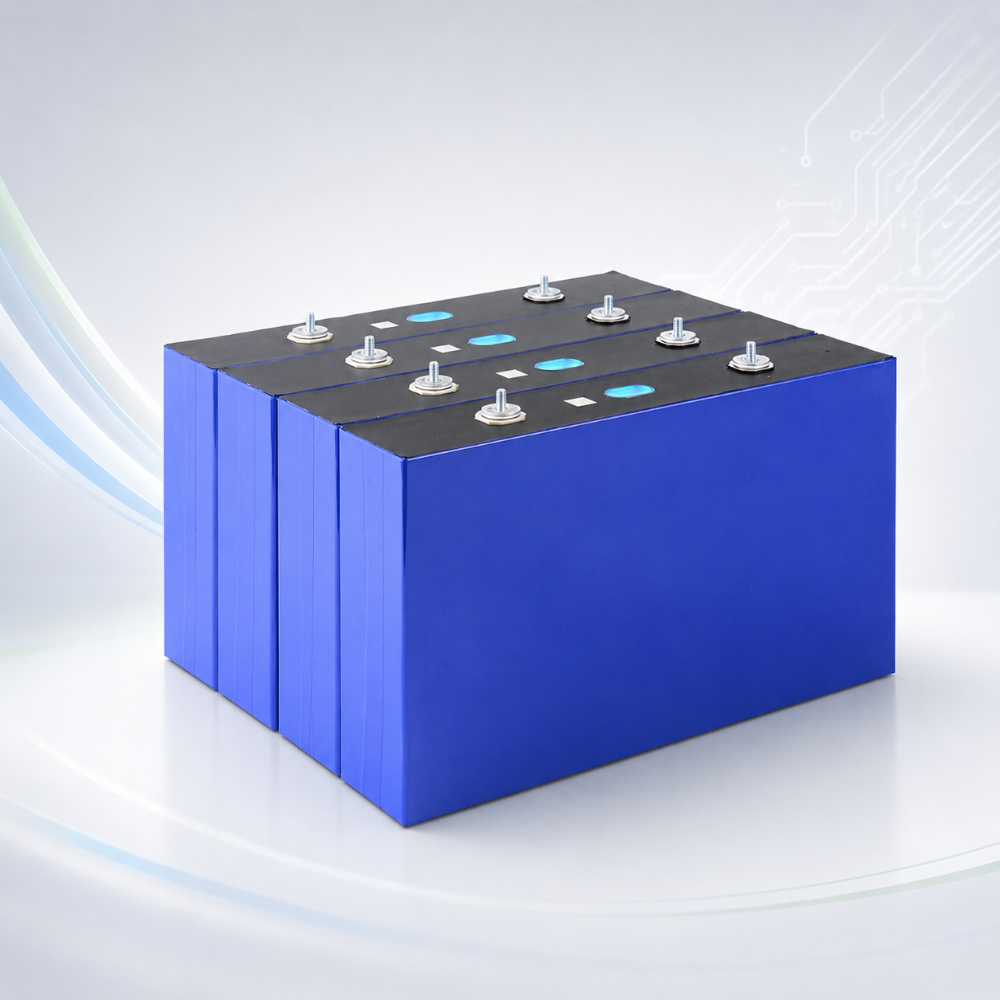
Whether in new energy vehicles, energy storage systems, or robots, drones, and industrial systems, stable power supply capability depends on a reliable battery pack. Many users know that a battery pack can store electrical energy, but they do not fully understand how it completes the entire process of charging, discharging, and intelligent management. In fact, a battery pack is not simply a combination of multiple cells. Instead, it is a system in which cells, a battery management system, and connection structures work together to achieve continuous, safe, and efficient energy output. Understanding the working principle of a battery pack helps in evaluating product performance and provides a reference for equipment selection and usage.

How a Battery Pack Stores and Releases Electrical Energy
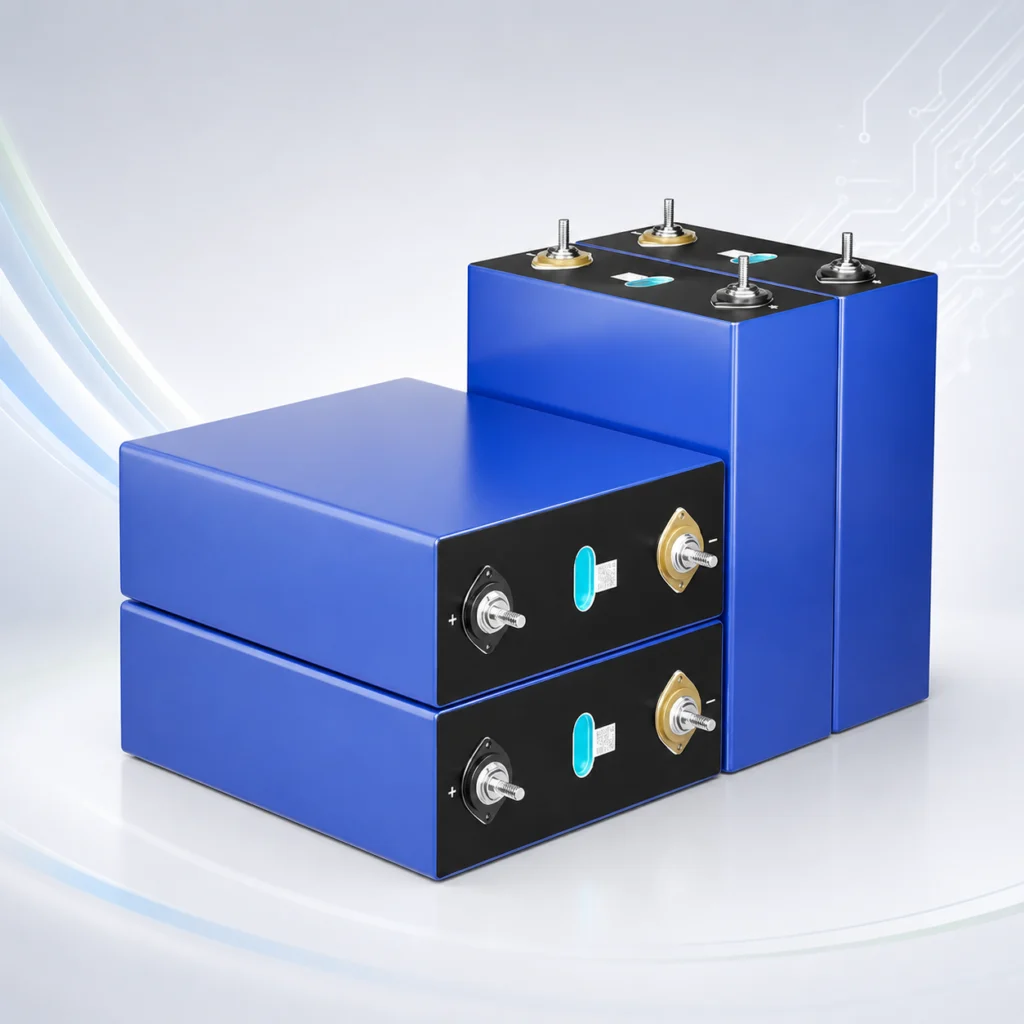
The operation of a battery pack is based on electrochemical reactions inside the cells, where multiple cells work together to complete energy conversion.
Energy Storage in Cells
During the charging process, external electrical energy is converted into chemical energy and stored inside the cells.
- Electrical energy is input into the battery pack through a charging device and distributed via a charging control circuit to prevent excessive current that could affect cell stability.
- Electrochemical reactions occur inside the cells, where lithium ions migrate between the positive and negative electrodes, completing energy storage and gradually bringing the battery to a full charge state.
- Each cell operates stably within specified voltage, temperature, and current ranges, ensuring good consistency performance.
Cells continuously store energy, forming the foundation for powering devices later.
Energy Release to Drive Devices
When the device is operating, the cells begin to release stored energy.
- Chemical energy is converted back into electrical energy through reverse electrochemical reactions, turning stored energy into usable current.
- Current is delivered to the device through internal connection structures, maintaining low-loss transmission along conductive paths to improve overall efficiency.
- Multiple cells output stable voltage together, reducing the load on individual cells through balanced discharge and improving system stability.
Synchronized discharge of multiple cells enables the battery pack to meet the operational demands of devices with different power requirements.
How a Battery Pack Achieves Higher Output Capability
A single cell has limited output capability. Only through scientific configuration can higher power supply capacity be achieved.
Series Connection to Increase Output Voltage
Many devices require higher operating voltage.
- Multiple cells are connected end-to-end in series, allowing voltage to accumulate step by step to meet high-voltage device requirements.
- The voltage of each cell is added together, forming a higher system voltage and expanding application compatibility.
- This meets the needs of new energy vehicles, industrial equipment, and other applications, ensuring stable operation of high-power devices.
Series connection enables the battery pack to support more high-voltage applications.
Parallel Connection to Increase Capacity
Some devices place greater emphasis on runtime.
- Multiple cells output current simultaneously, reducing the load on individual cells and improving overall discharge capability.
- The total energy storage capacity is increased, allowing longer operating time.
- Continuous working time of the device is extended, providing more stable performance under high-load conditions.
A well-designed parallel structure improves the overall endurance performance of the battery pack.
Combined Series-Parallel Design
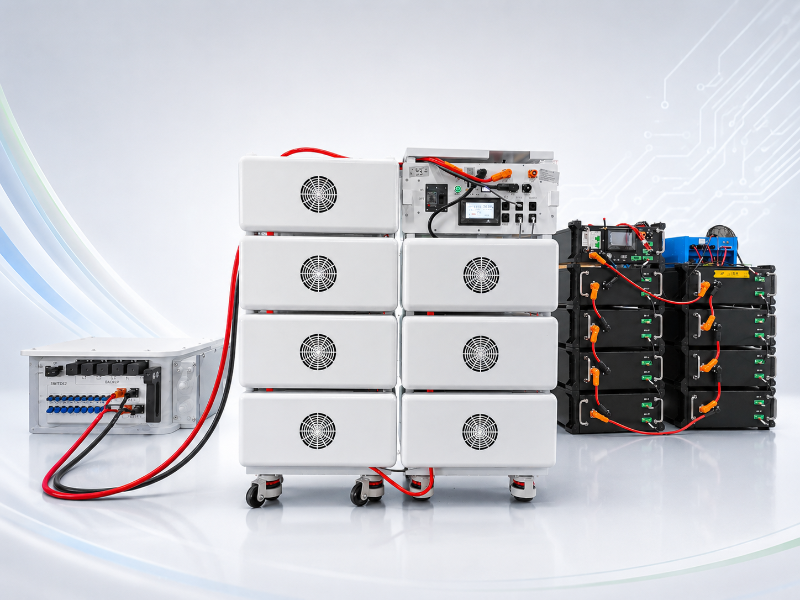
Large battery packs usually adopt a hybrid configuration.
- Both voltage and capacity are increased, balancing power and endurance.
- Structural configuration can be flexibly adjusted according to application scenarios.
- Overall power supply flexibility is improved, enabling adaptation to complex environments.
A scientifically designed series-parallel structure helps maximize the overall performance of the battery pack.
How the Battery Management System Controls Operation
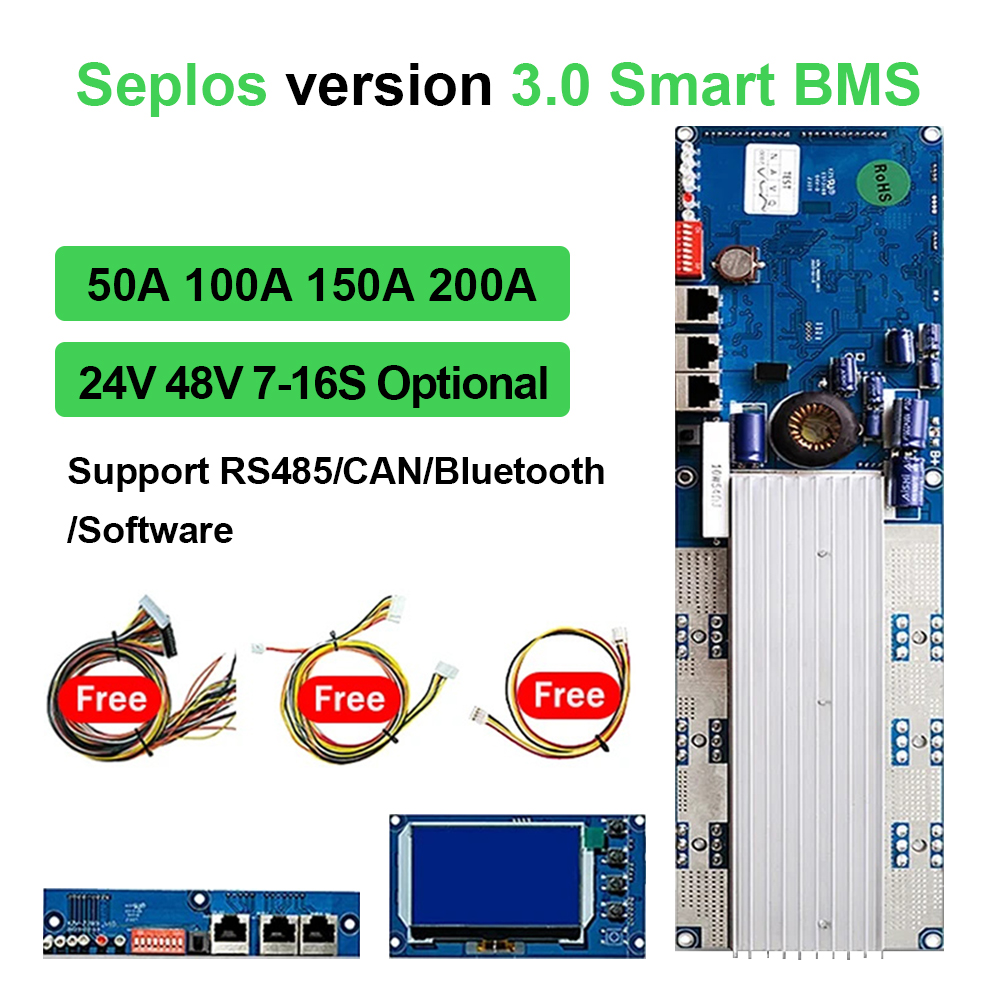
Modern battery packs maintain stable operation thanks to intelligent management systems.
Real-Time Data Collection
Battery operating conditions must be continuously monitored. Voltage changes are detected by sampling each cell’s voltage in real time to prevent abnormal fluctuations from affecting overall performance. Current levels are also monitored to ensure charging and discharging remain within safe limits and to avoid overload operation. Temperature information is collected in real time through temperature sensors to understand internal thermal conditions and prevent overheating risks. Accurate data collection provides an important basis for safe battery pack operation.
Automatic Operating State Adjustment
The management system controls operation based on real-time conditions.
- Optimizes charging and discharging processes to improve efficiency and reduce energy loss.
- Reduces cell differences through balancing management, improving consistency.
- Maintains system balance to ensure stable output from the battery pack.
Intelligent control improves operational efficiency and extends service life.
Safety Protection Activation
Abnormal conditions must be handled promptly.
- Limits abnormal current output to prevent overload.
- Prevents overcharging and over-discharging to avoid cell damage.
- Reduces risks of short circuits and overheating, and if necessary, disconnects the circuit or activates protection mechanisms.
A complete protection system ensures long-term stable operation of the battery pack.
How Different Components of a Battery Pack Work Together
Stable power supply does not rely on a single component but on the coordinated operation of multiple modules.
Cells as the Energy Storage Core
Cells provide the energy source of the entire system.
- Store externally input electrical energy.
- Continuously release stable electrical energy.
- Maintain the system’s power supply capability.
Cell performance directly affects the overall performance of the battery pack.
Conductive Structure for Energy Transmission
Energy must be delivered to the device quickly and safely. Nickel strips or copper busbars connect the cells, enabling efficient current flow between units and reducing resistive losses. Wiring harnesses transmit both current and signals, enabling synchronized data and energy transfer within the system. Interfaces connect external devices, allowing the battery pack to reliably interface with load systems and output power. A reliable connection system improves the operational efficiency of the battery pack.
Thermal Management and Structural Protection
Stable operation depends on a well-designed structure.
- The outer casing protects internal components from external environmental impacts.
- The thermal management system keeps the battery within a safe temperature range.
- Insulating materials enhance electrical safety and reduce short-circuit risks.
All components work together to ensure efficient operation of the battery pack.
Through the coordinated operation of multiple systems, the battery pack can continuously provide stable power support for various devices. With ongoing technological advancements, it continues to improve in energy density, safety control, and intelligence, driving higher efficiency in new energy vehicles, energy storage, and industrial applications. At the same time, modular design makes maintenance and expansion more flexible. In the future, with the application of new materials and intelligent algorithms, its overall performance will be further enhanced.