With the continuous popularization of new energy transportation vehicles, electric vehicles have increasingly higher requirements for battery performance. Compared with traditional lead-acid batteries, LiFePO4 cells are gradually being applied in electric bicycles, electric motorcycles, electric tricycles, low-speed electric vehicles, and some new energy vehicle power systems due to their advantages of high safety, long cycle life, and strong stability. When electric vehicles use LiFePO4 cells, higher capacity does not always mean better performance. Instead, it is necessary to select suitable specifications based on the vehicle type, motor power, driving distance, installation space, and operating environment.
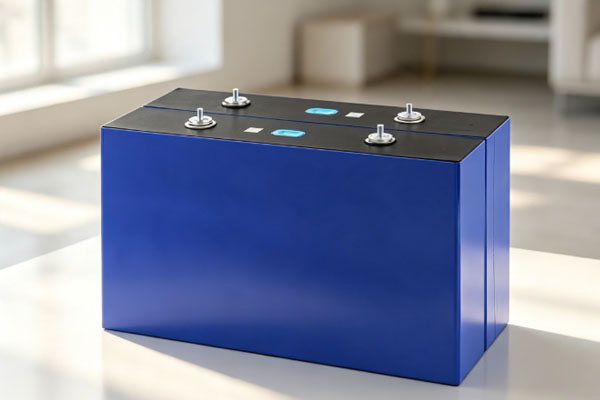
Common LiFePO4 cell specifications include 3.2V single cells, which are connected in series to form different voltage platforms such as 12V, 24V, 36V, 48V, 60V, and 72V to meet the power requirements of different vehicles. Proper selection of LiFePO4 cell specifications can improve the driving range of electric vehicles, reduce battery weight, and extend battery pack service life. If the specifications are not properly matched, problems such as insufficient power, reduced range, and battery overload may occur. Therefore, when purchasing or replacing batteries, it is necessary to understand relevant parameters such as cell capacity, voltage configuration, and battery management system.
Introduction to Common LiFePO4 Cell Specifications for Electric Vehicles
3.2V Single Cells Are the Basic Structure of Battery Packs
LiFePO4 cells usually use a rated voltage of 3.2V as the basic unit. Electric vehicle battery packs need multiple cells connected in series to reach the operating voltage required by the vehicle. For example, a 48V electric vehicle requires multiple 3.2V cells combined to form a battery system close to 48V. Different vehicles have different voltage requirements, so the number of cells also varies. When selecting cells, it is necessary to match the original vehicle controller, motor parameters, and charging equipment.
- 3.2V cells are a common basic specification for LiFePO4 batteries.
- Multiple cells connected in series form different voltage levels.
- The number of cells affects the capacity and output capability of the battery pack.
Common Capacity Specifications Meet Different Vehicle Requirements
The capacity of LiFePO4 cells is usually expressed in Ah (ampere-hours). Common specifications include 20Ah, 50Ah, 100Ah, 150Ah, and 200Ah. The larger the capacity, the more electricity can be stored, and the longer the electric vehicle can travel. However, higher-capacity cells usually have larger size and weight, so the selection needs to consider the available installation space of the vehicle.
- Small electric vehicles are suitable for medium-capacity cells.
- Long-range models require higher-capacity configurations.
- Large-capacity cells need to consider installation space.
LiFePO4 Cell Solutions Suitable for Different Types of Electric Vehicles
Electric Bicycles Are Suitable for Lightweight Cell Configurations
Electric bicycles are usually used for short-distance urban commuting. They have relatively low power requirements and focus more on battery weight, driving range, and charging convenience. Therefore, choosing LiFePO4 cells with moderate capacity is more suitable. Compared with traditional batteries, LiFePO4 cells are lighter and have more charge-discharge cycles, reducing the problem of frequent battery replacement.
- Commonly use 36V or 48V voltage platforms.
- Choose a capacity of approximately 10Ah to 30Ah according to range requirements.
- Need to match the original vehicle controller parameters.
Electric Motorcycles Are Suitable for High-Capacity Power Cells
Electric motorcycles require higher starting current and continuous output capability, so they have higher requirements for cell performance. In addition to capacity, attention should also be paid to the discharge rate of the cells and the overall stability of the battery pack. High-quality LiFePO4 cells can provide more stable power output and are suitable for longer-distance riding.
- Commonly use 48V, 60V, or 72V systems.
- Capacity is usually higher than that of ordinary electric bicycles.
- Need to be equipped with a BMS that supports high-current output.
Electric Tricycles Are Suitable for Large-Capacity Cell Combinations
Electric tricycles are usually used for cargo transportation and delivery tasks. They have higher vehicle loads and require greater battery capacity and longer cycle life. Therefore, larger-capacity LiFePO4 cells are required. A stable large-capacity battery pack can reduce frequent charging and improve the vehicle’s continuous operating capability.
- Commonly use 60V or 72V voltage systems.
- Suitable for capacity solutions above 100Ah.
- Require reinforced battery structure fixation.
Parameters to Consider When Selecting LiFePO4 Cells
Determine Cell Capacity According to Range Requirements
The driving range of an electric vehicle is directly related to battery capacity. Under the same voltage conditions, the higher the Ah capacity, the more electricity can be stored, and the longer the vehicle can operate. When selecting cells, users need to calculate the required capacity based on daily driving distance, road conditions, and vehicle load to avoid affecting usage due to insufficient capacity.
- Short-distance use can choose medium-capacity cells.
- Long-distance riding requires increased battery capacity.
- Load-carrying vehicles need to reserve more power capacity.
Select Discharge Performance According to Power Requirements
During starting, climbing, and acceleration, electric vehicles require the battery to provide a large instantaneous current. If the discharge capability of the cells is insufficient, problems such as reduced power output or unstable vehicle operation may occur. Therefore, when electric vehicles use LiFePO4 cells, users should not only consider capacity but also pay attention to discharge rate performance.
- High-power motors require stronger discharge capability.
- Load-carrying vehicles require more stable output.
- BMS current parameters need to match the motor.
Frequently Asked Questions
Can a 48V Electric Vehicle Use LiFePO4 Cells?
Yes, it can. A 48V electric vehicle can usually use a LiFePO4 battery pack to replace traditional batteries, but it is necessary to confirm whether the charger, battery protection board, and controller are compatible. If the voltage parameters do not match, it may affect the charging performance of the battery and the operation of the vehicle.
Is a Larger Capacity LiFePO4 Cell Always Better?
Increasing capacity can improve driving range, but it cannot be increased without limitation. The larger the battery capacity, the greater the weight and size will be. At the same time, the load capacity of the vehicle must also be considered. Selecting a suitable capacity is more important than simply pursuing a larger capacity.
How Many Years Can Electric Vehicle LiFePO4 Batteries Generally Last?
LiFePO4 cells have a relatively long cycle life and can meet years of usage requirements under reasonable operating conditions. The actual service life will be affected by factors such as charge-discharge frequency, operating environment, temperature, and maintenance methods.
Electric vehicles using LiFePO4 cells need to select suitable specifications according to vehicle type. The common basic cell is a 3.2V single cell, and different numbers of cells are connected in series to form battery systems such as 36V, 48V, 60V, and 72V. Different vehicle models have different requirements for capacity, discharge capability, and battery structure. For ordinary electric bicycles, the focus is on weight and daily range, so medium-capacity cells can be selected. For electric motorcycles, attention should be paid to power output and high-current discharge capability. For electric tricycles, larger-capacity and more stable cell solutions are required.
In the actual selection process, users should not only consider battery capacity but also pay attention to cell quality, BMS protection functions, charger compatibility, and installation methods. High-quality LiFePO4 cells can provide stable power output and reduce performance degradation during long-term use. Selecting suitable LiFePO4 cell specifications can help electric vehicles achieve better range performance, longer service life, and more stable operation. Whether for daily transportation vehicles or vehicles used for cargo transportation, reasonable battery pack configuration is an important foundation for ensuring a better user experience.