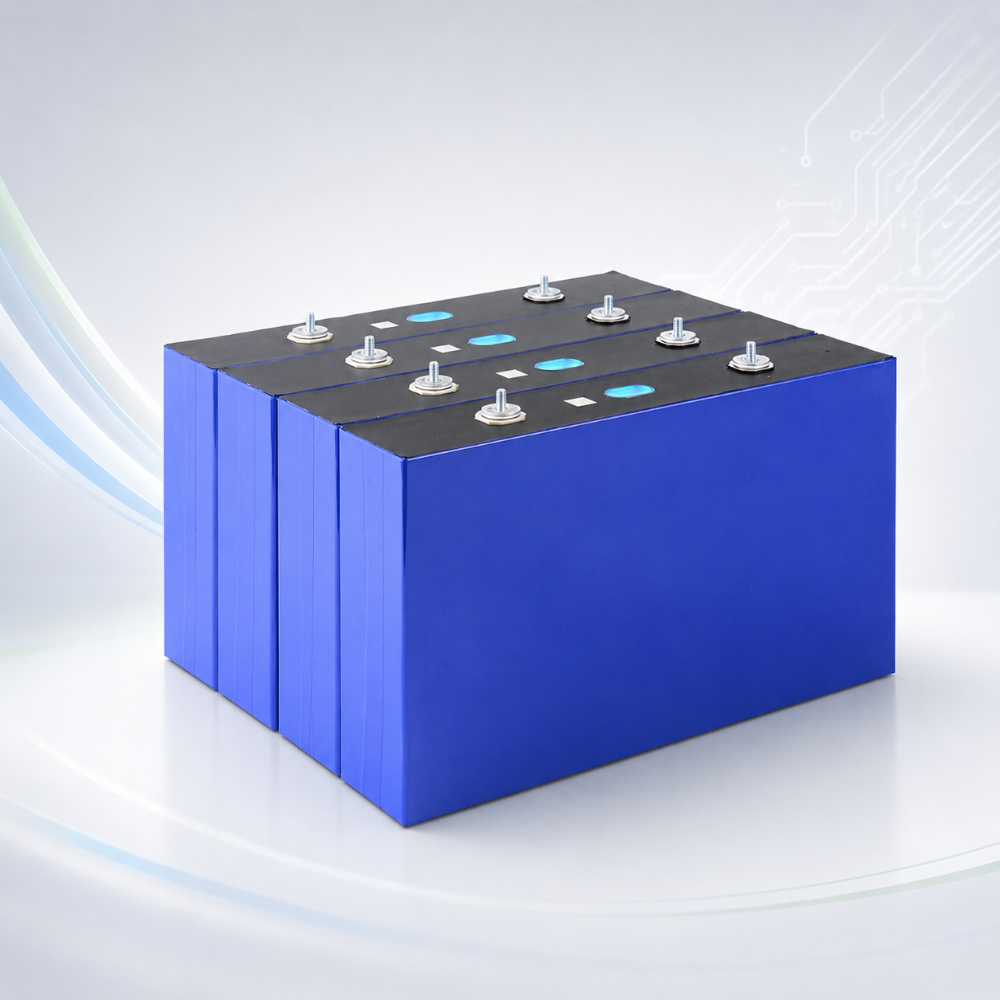
With the continuous growth of new energy equipment, home energy storage systems, and outdoor power demands, lithium deep cycle batteries have gradually become an important component of more and more energy storage devices. When purchasing batteries, many users find that the market offers different voltage specifications such as 12V, 24V, and 48V. However, when facing these parameters, they often do not know how to choose or understand the actual differences between different voltage levels.
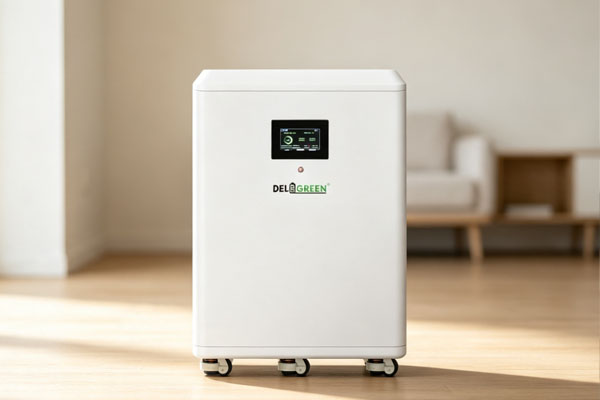
The voltage of a lithium deep cycle battery directly affects equipment operation methods, output capability, system design, and energy utilization efficiency. A 12V battery is more suitable for small devices and basic power supply needs, a 24V battery is suitable for medium-power equipment, while a 48V battery is usually used for higher-capacity and higher-power energy storage systems. When selecting a lithium deep cycle battery, a higher voltage does not always mean better performance. The choice should be based on the actual equipment requirements.
What Are the Differences Between 12V, 24V, and 48V Lithium Deep Cycle Batteries?
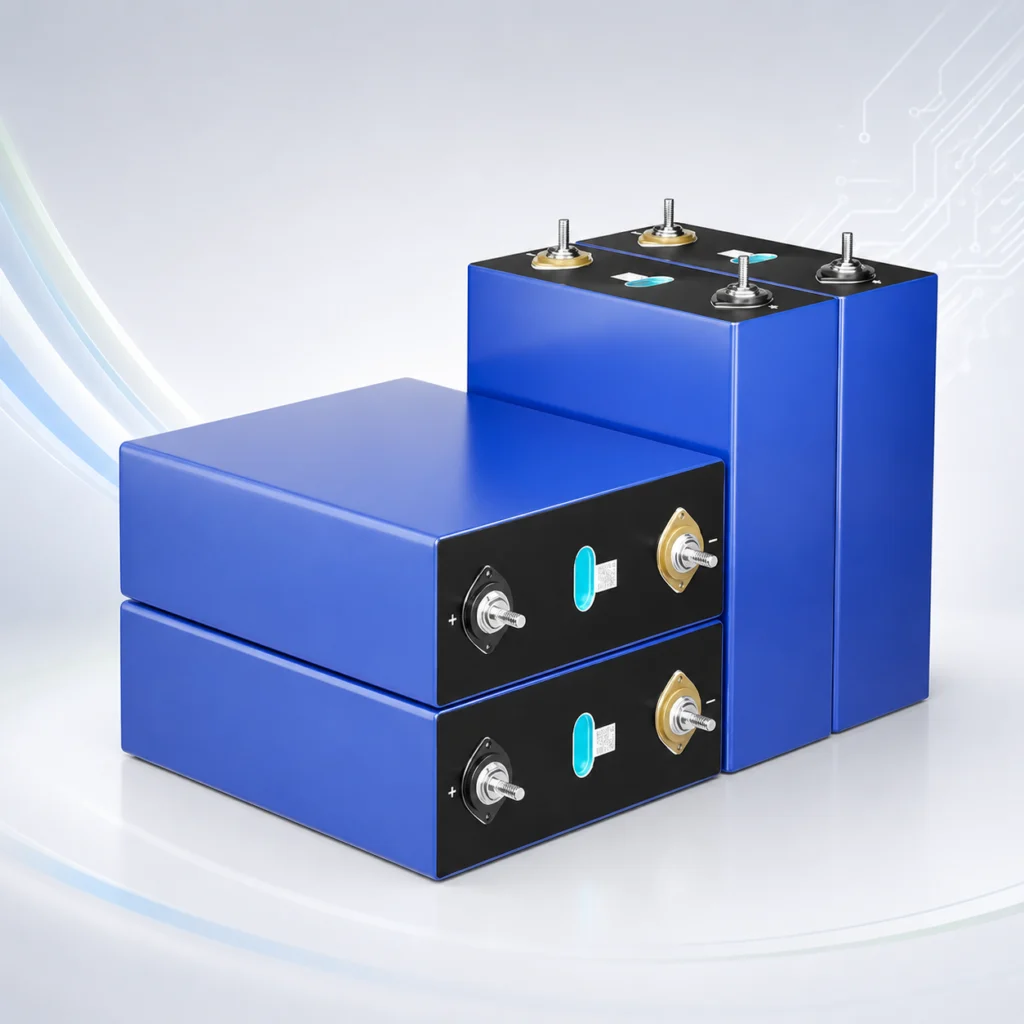
The voltage specifications of lithium deep cycle batteries mainly come from different internal cell connection methods. By connecting different numbers of cells in series, batteries with different voltage levels can be created. Higher voltage usually means that the system can support greater power output while reducing current pressure during operation. Small devices require less energy, making low-voltage systems more convenient. Larger equipment requiring continuous energy output needs higher-voltage systems for support.
12V Lithium Deep Cycle Batteries Are Suitable for Small Energy Storage Devices
12V lithium deep cycle batteries are one of the most commonly used specifications on the market and are also the battery type that many users are most familiar with. Due to their lower voltage level, they feature simple installation, convenient operation, and good compatibility, allowing them to be directly used in many traditional 12V devices. For small energy storage equipment used in daily life, 12V batteries can already meet basic power supply requirements. For example, lighting equipment used during camping, small refrigerators, portable power supply devices, and other applications can receive energy support from 12V lithium deep cycle batteries. Compared with higher-voltage batteries, 12V systems have a simpler structure and do not require complex electrical design, making them easier to install and maintain for individual users or small projects.
- Suitable for small solar energy storage systems.
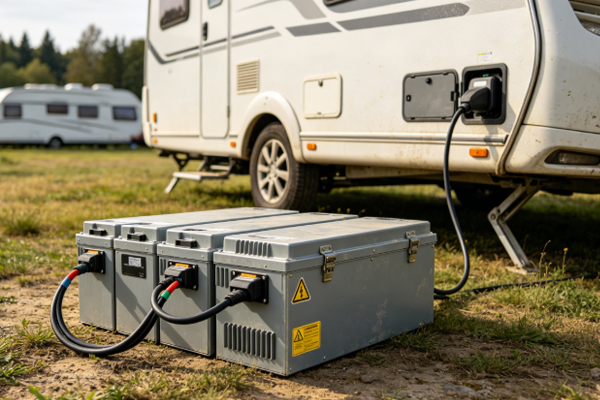
- Commonly used as auxiliary power sources for RVs.
- Can be used in boats, small electric vehicles, and other equipment.
- Convenient for independent installation or combination use.
For example, some outdoor camping users use 12V lithium deep cycle batteries together with solar panels to store electricity during the daytime and provide stable power for lighting equipment, mobile phone charging devices, and small appliances at night.
24V Lithium Deep Cycle Batteries Are Suitable for Medium-Power Equipment
A 24V lithium deep cycle battery can be considered a balanced solution between 12V and 48V systems. Compared with a 12V system, it provides higher output capability, while it does not require as complex an installation environment as a large 48V system. Therefore, it is suitable for many medium-scale applications. When equipment power increases, continuing to use a 12V system requires the battery to output higher current, which may increase cable pressure and energy loss. A 24V system can reduce current by increasing voltage, making the entire operating process more stable.
- Suitable for medium-capacity energy storage systems.
- Can reduce cable current losses.
- Improves equipment operating efficiency.
- Supports more electrical devices operating simultaneously.
For example, if a small home solar system needs to support multiple loads such as lighting, appliances, and communication equipment at the same time, a 24V lithium deep cycle battery can usually provide a more stable power supply performance.
48V Lithium Deep Cycle Batteries Are Suitable for Large Energy Storage Systems
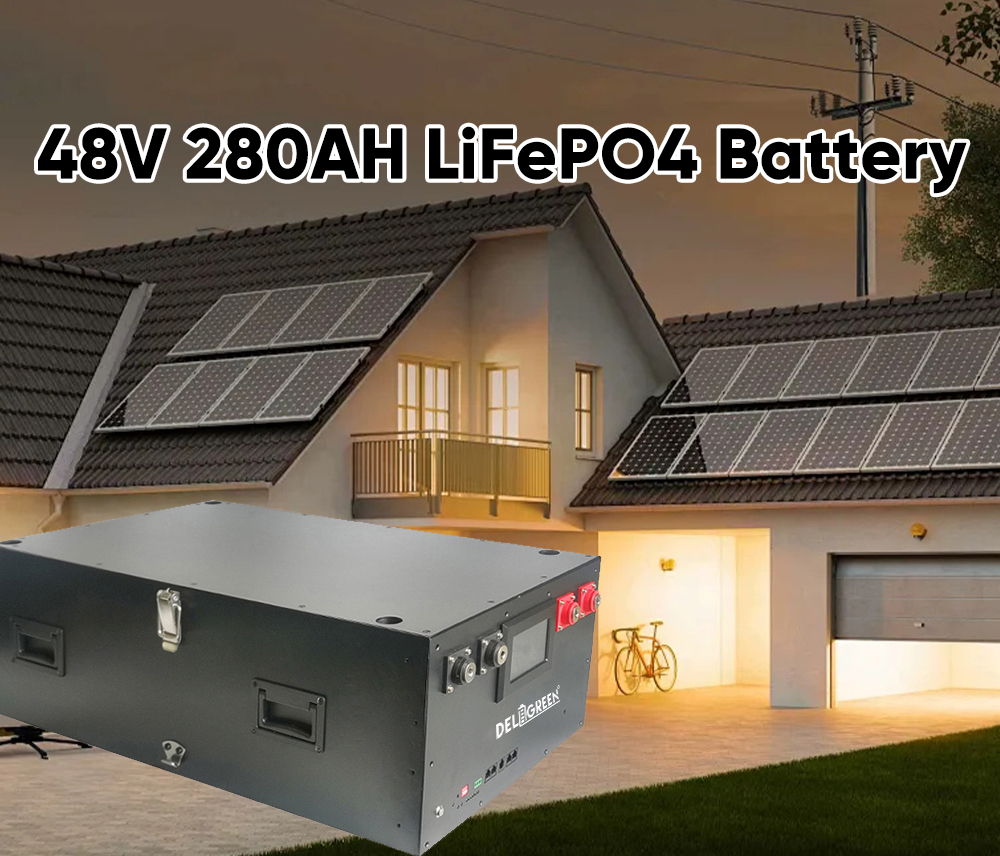
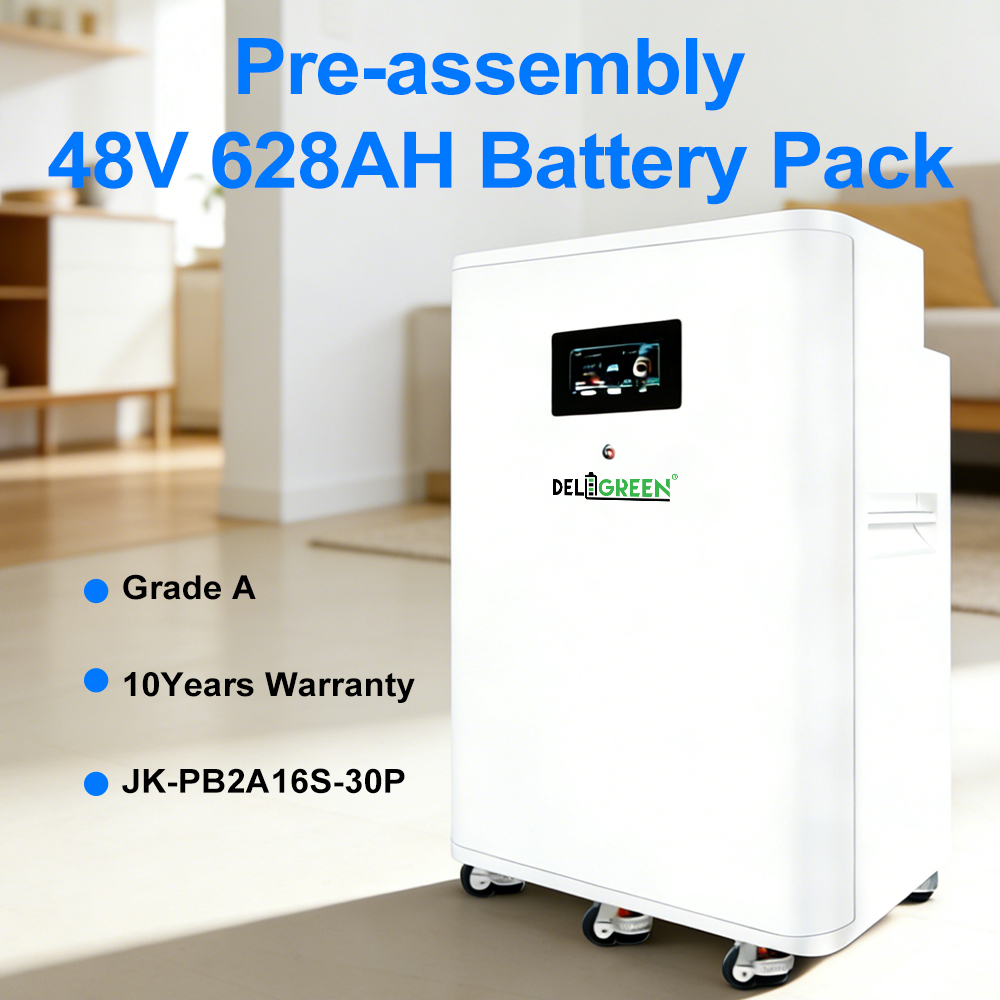
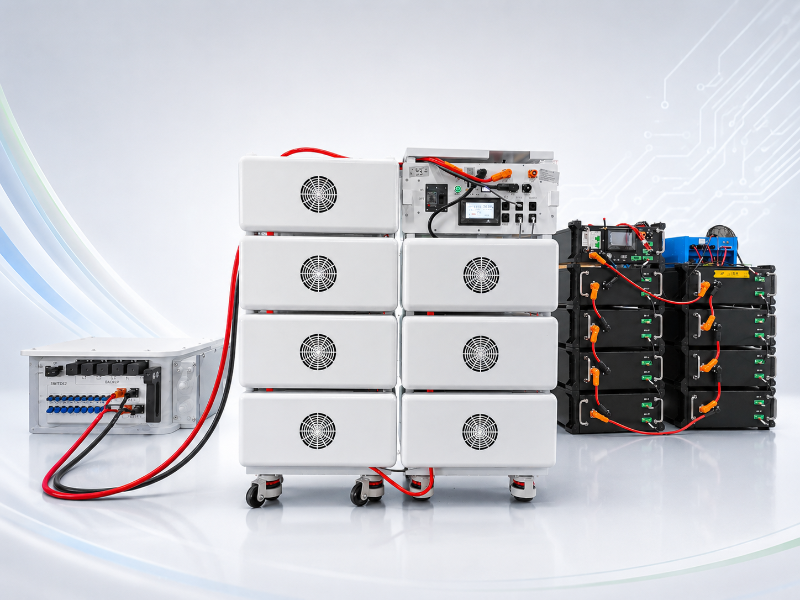
48V lithium deep cycle batteries are mainly designed for high-power and high-capacity application environments. Because of their higher voltage, the required current is lower under the same power output conditions, making them more suitable for long-term operation of large equipment. Many home energy storage systems, commercial energy storage projects, and large solar power supply systems adopt a 48V battery architecture. This design not only improves energy transmission efficiency but also makes it easier to expand battery capacity in the future.
- Supports higher power output.
- Reduces current pressure on wiring systems.
- Suitable for large-capacity battery packs.
- Improves overall energy utilization efficiency.
For applications that require simultaneous operation of air conditioners, water pumps, high-power appliances, and other equipment, 48V lithium deep cycle batteries can provide more stable energy support and meet the requirements of long-term continuous operation.
What Factors Should Be Considered When Choosing 12V, 24V, and 48V Lithium Deep Cycle Batteries?
When selecting a lithium deep cycle battery, users should not only focus on voltage levels but also consider the actual usage conditions of the equipment. Different users have different power requirements. Some users need mobile power supply, while others need fixed energy storage systems, so the selection criteria will also be different. Choosing the right battery specification can improve system operating efficiency while reducing problems during later use. If the wrong battery is selected, issues such as insufficient power supply, low battery utilization, or equipment failure may occur.
Choose the Appropriate Voltage Based on Equipment Power
Equipment power is a very important reference factor when selecting a lithium deep cycle battery. The higher the power of the equipment, the more electricity it consumes during operation, so a higher-voltage battery system is usually required. If the battery is only used to supply power to small electronic devices, a 12V battery can already meet the requirements. However, if multiple devices need to operate at the same time, a 24V or 48V system should be considered.
- Small lighting equipment can choose 12V.
- RVs and household backup power supplies can consider 24V.
- Large energy storage systems are more suitable for 48V.
For example, an outdoor device used only for mobile phone charging and simple lighting does not need a 48V battery, because this would increase costs. However, an energy storage system that needs to operate multiple household appliances requires a higher-voltage solution to ensure stable power supply.
Choose Battery Capacity According to Usage Time
In addition to voltage, battery capacity also affects actual usage performance. Batteries with the same voltage but different capacities can provide significantly different power supply durations. When making a selection, users need to calculate the daily operating time of the equipment and determine how much energy needs to be stored before deciding the required battery capacity.
- Short usage periods can choose smaller capacity batteries.
- Long-term power supply requires increased battery capacity.
- Continuously operating equipment requires more energy storage capacity.
For example, if an RV user only needs lighting at night, a 12V battery with moderate capacity may be sufficient. However, if the user needs to operate refrigerators, televisions, computers, and other devices at the same time, a higher-capacity 24V or 48V system will be required.
Select According to Installation Space
Some equipment has limited installation space and requires batteries with smaller dimensions and easier installation. Fixed energy storage systems, however, can reserve larger installation areas. Different voltage levels of batteries have differences in connection methods and installation designs. Therefore, planning the installation location in advance can help avoid later adjustments.
- Small installation spaces should prioritize 12V systems.
- Fixed energy storage areas can choose high-voltage systems.
- Large projects need battery layout planning in advance.
For example, the internal space of a small RV is limited, making 12V batteries more flexible for installation. A household energy storage cabinet has a fixed installation location, so a 48V system can be selected to improve overall energy storage efficiency.
What Applications Are 12V, 24V, and 48V Lithium Deep Cycle Batteries Suitable For?
Different voltage specifications of lithium deep cycle batteries perform different tasks in practical applications. Understanding common application scenarios can help users quickly determine which battery type is more suitable for their needs.
Application Scenarios of 12V Lithium Deep Cycle Batteries
Because 12V lithium deep cycle batteries are easy to use and simple to install, they are widely applied in mobile equipment and small energy storage fields. Many individual users prefer 12V solutions when participating in outdoor activities or building simple energy systems.
- RV auxiliary power supply.
- Marine power systems.
- Small solar energy equipment.
- Outdoor portable power supplies.
For example, camping enthusiasts can connect a 12V lithium deep cycle battery with solar panels to provide continuous energy for lights, fans, small refrigerators, and electronic devices in environments without fixed power sources.
Application Scenarios of 24V Lithium Deep Cycle Batteries
24V lithium deep cycle batteries are mainly used in environments with higher energy requirements than 12V systems. They can provide better output capability while maintaining good installation convenience.
- Small household energy storage.
- Low-speed electric vehicles.
- Small mechanical equipment.
- Medium-sized solar systems.
For equipment that needs to be cycled and used every day, choosing a 24V battery can maintain a better balance between capacity, stability, and cost.
Application Scenarios of 48V Lithium Deep Cycle Batteries
48V lithium deep cycle batteries are commonly used in large energy systems and environments that require continuous output of large amounts of electricity. They have strong expansion capabilities and can meet the operating requirements of higher-power equipment.
- Home energy storage systems.
- Commercial and industrial energy storage projects.
- Large solar energy systems.
- High-power backup power supplies.
For example, when a household wants to store electricity through solar energy and continue operating refrigerators, lighting systems, air conditioners, and other equipment during power outages, a 48V battery system is usually more suitable.
Frequently Asked Questions
What equipment is suitable for 12V lithium deep cycle batteries?
Answer: 12V lithium deep cycle batteries are suitable for small energy storage devices, such as RVs, boats, small solar systems, outdoor power supplies, and lighting equipment.
Are 24V lithium deep cycle batteries better than 12V batteries?
Answer: A 24V battery is not necessarily better. It is more suitable for medium-power equipment. When longer power supply duration is required, a 24V system can reduce current compared with a 12V system and improve operating stability.
Are 48V lithium deep cycle batteries suitable for household use?
Answer: Yes. 48V lithium deep cycle batteries are commonly used in home energy storage, solar energy storage systems, and situations where multiple household appliances need to operate.
Is a larger lithium deep cycle battery capacity always better?
Answer: No. Battery capacity should be selected according to equipment power consumption and usage time. Too small a capacity may affect power supply, while excessive capacity may increase costs.
Is a BMS required for lithium deep cycle batteries?
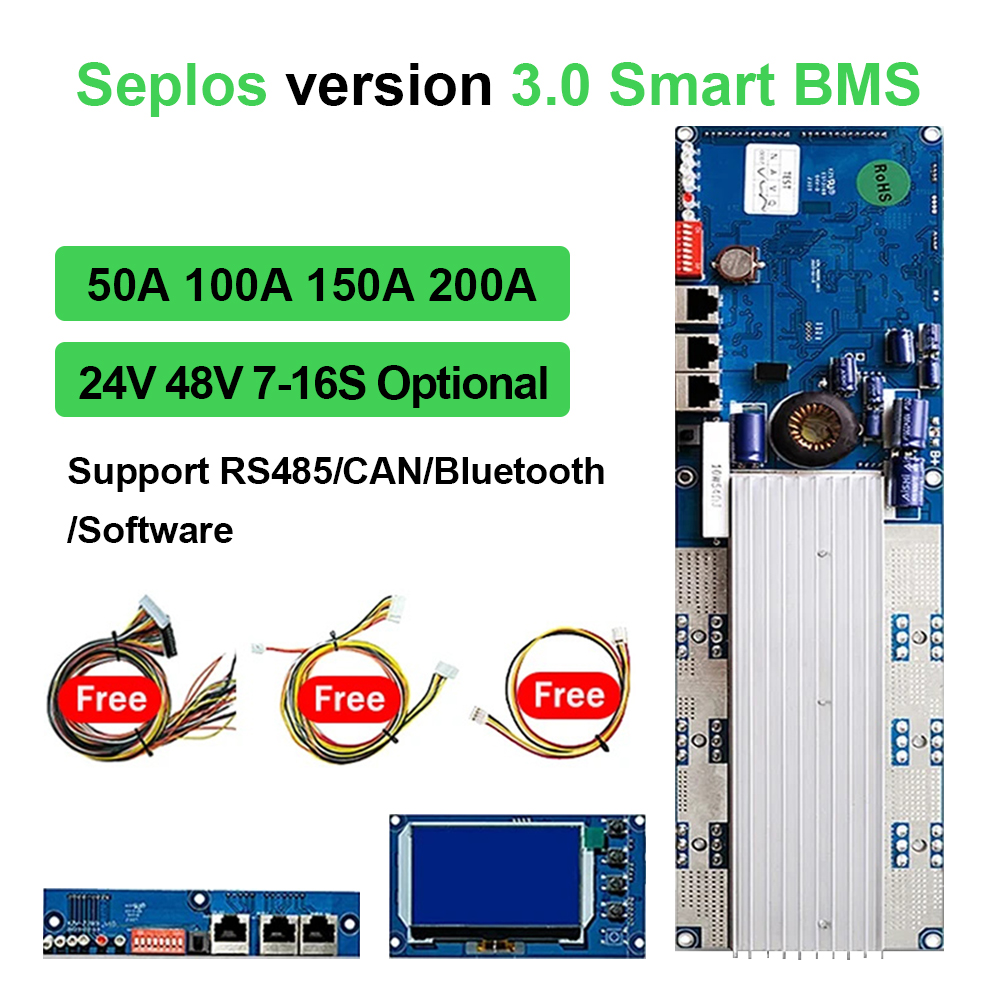
Answer: Yes. A BMS can monitor battery voltage, current, and temperature, prevent overcharging and over-discharging, and improve battery usage safety.
12V, 24V, and 48V lithium deep cycle batteries are suitable for different levels of energy requirements, and there is no single specification that fits all application environments. 12V batteries feature simple installation and convenient use, making them more suitable for small equipment, outdoor power supplies, and mobile energy storage applications. 24V batteries provide a better balance between output capability and usage convenience, making them suitable for medium-scale energy storage. 48V batteries are more suitable for home energy storage, large solar systems, and high-power applications. During the actual purchasing process, users need to make comprehensive decisions based on equipment power, daily usage time, battery capacity, and installation conditions. Choosing the correct voltage specification can not only improve battery utilization efficiency but also make the entire power supply system operate more stably.
For small power requirements, a 12V lithium deep cycle battery is usually sufficient. For situations where multiple devices need to operate simultaneously, a 24V solution is more suitable. For long-term, high-power, and large-capacity energy storage requirements, a 48V system can provide better support. Understanding the differences between 12V, 24V, and 48V lithium deep cycle batteries and selecting the appropriate option according to the actual application environment is an important step in ensuring stable operation of an energy storage system. Properly matching battery voltage can help users achieve a better experience while reducing later maintenance and replacement costs.