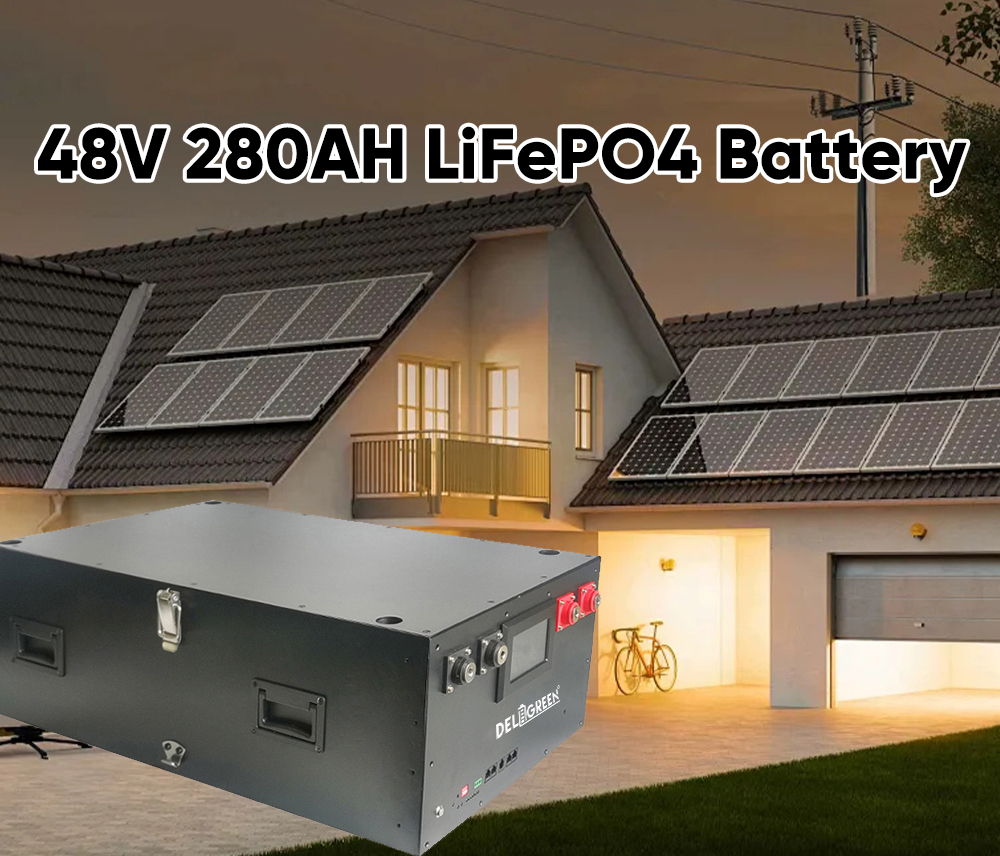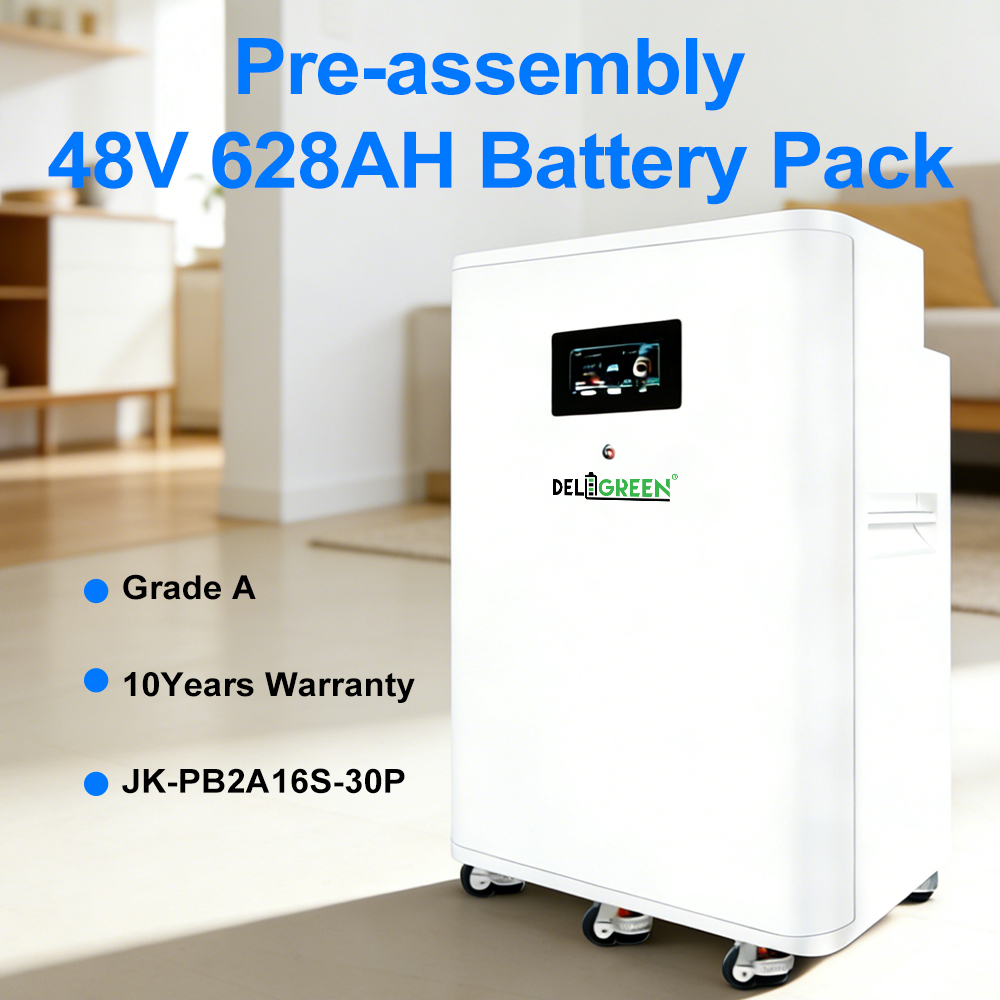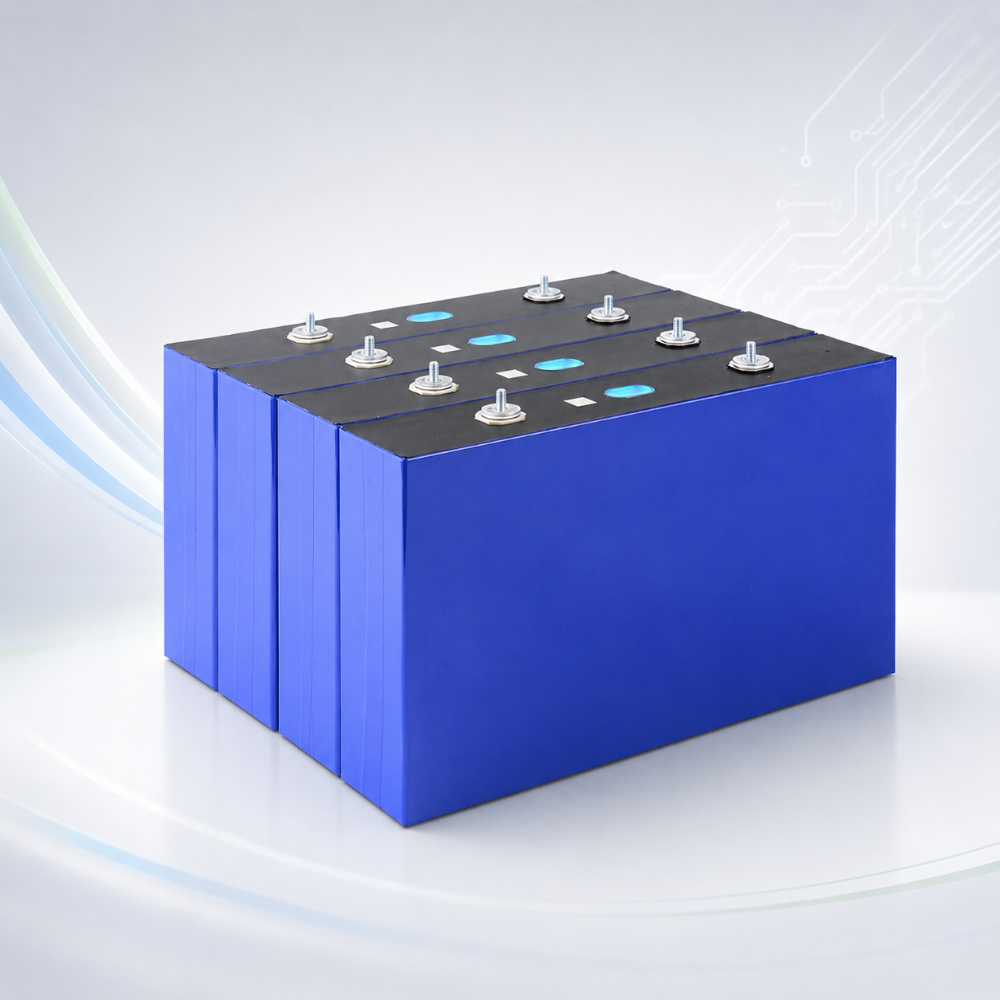
With the increasing demand for home energy management, home energy storage batteries are gradually becoming an important component of modern homes. Whether paired with a photovoltaic power generation system or used as a backup power source during power outages, lithium iron phosphate batteries are becoming the choice of more and more families due to their high safety, long cycle life, and low maintenance costs. There are significant differences in the capacity, power, installation methods, and functional configurations of energy storage products on the market. Only by combining the family’s actual electricity usage habits, installation environment, and future expansion needs can a more stable and efficient user experience be obtained, and the economic value of the energy storage system be fully realized.
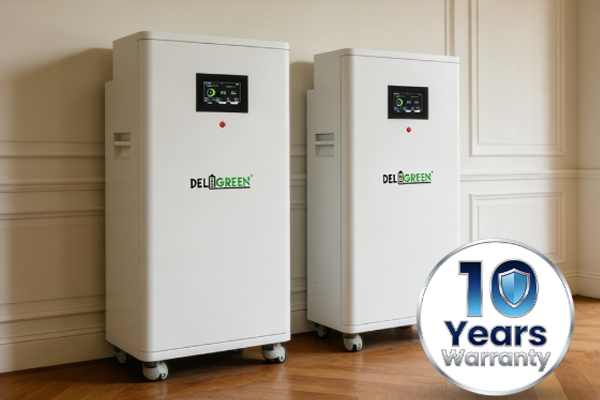
Choosing Energy Storage Capacity Based on Actual Household Electricity Usage
Larger home energy storage capacity is not necessarily better; it needs to match the family’s actual daily electricity consumption. If it is only used for emergency power outages, a 5kWh to 10kWh system is usually sufficient to meet the power needs of lighting, refrigerators, network equipment, and some household appliances. If a solar power generation system has already been installed and the goal is to store electricity during the day and use it at night, a 10kWh, 15kWh, or even larger energy storage system can be selected based on the daily nighttime electricity consumption. For households with high-power loads such as central air conditioning, electric water heaters, induction cookers, and electric vehicle charging equipment, it is also important to pay attention to the battery’s continuous output capacity and whether the inverter power is matched to avoid overload or insufficient power supply during operation. At the same time, reserving appropriate capacity expansion space can also meet the future power needs of adding appliances to the household, reducing the cost of replacing the entire equipment later and improving the long-term value of the energy storage system.
Focus on the Core Performance of Lithium Iron Phosphate Batteries
When choosing a household energy storage battery, price alone is far from sufficient; product performance directly determines the subsequent user experience and lifespan. High-quality products usually have higher stability and can maintain good charge and discharge efficiency for a long time.
- Cycle Life: Cycle life determines how long the battery can be used. High-quality lithium iron phosphate batteries can typically achieve more than 6000 cycles, and can operate continuously for more than ten years under normal household use conditions, effectively reducing long-term replacement costs.
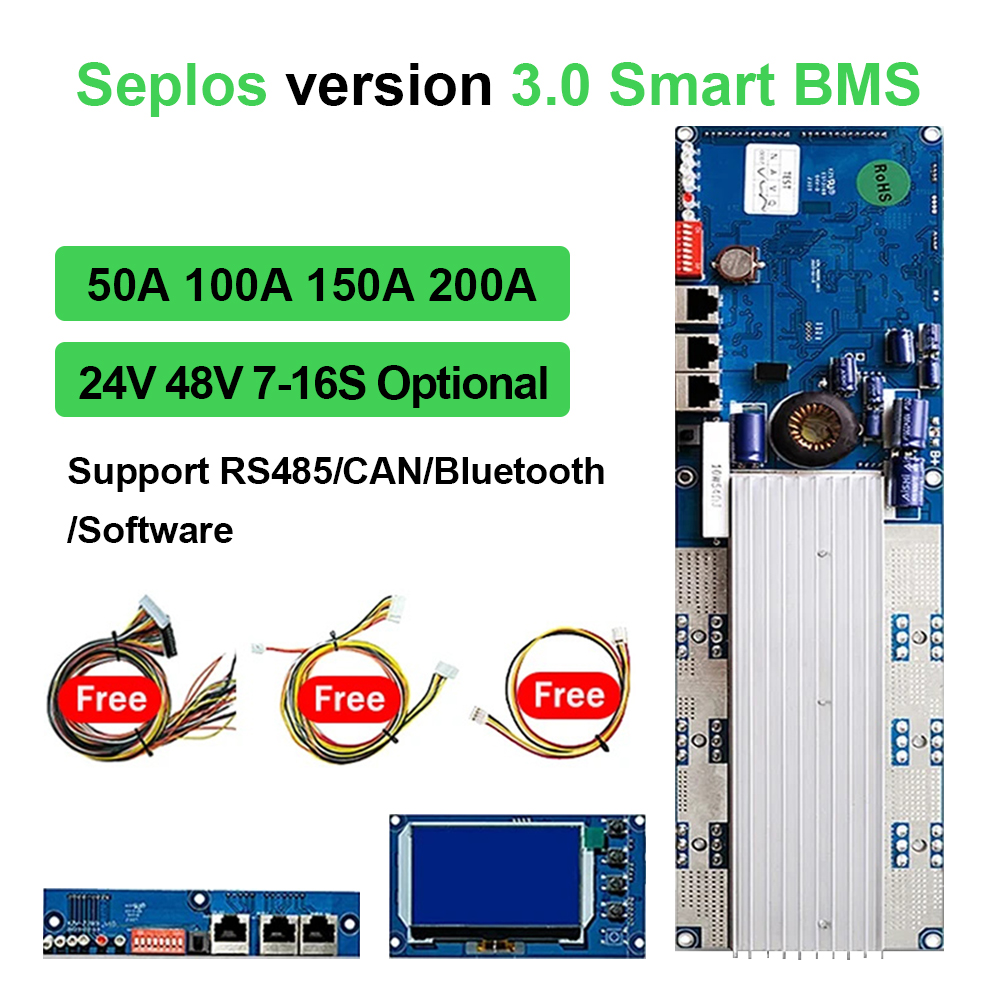
- Safety Protection System: A mature BMS battery management system can monitor the battery’s operating status in real time and has functions such as overcharge protection, over-discharge protection, short circuit protection, overcurrent protection, and temperature protection, improving the safety of daily household use.
- Charge/Discharge Efficiency: Higher charge/discharge efficiency reduces energy loss, allowing photovoltaic power generation to store more energy, improving household energy utilization, shortening charging time, and increasing overall operating efficiency.
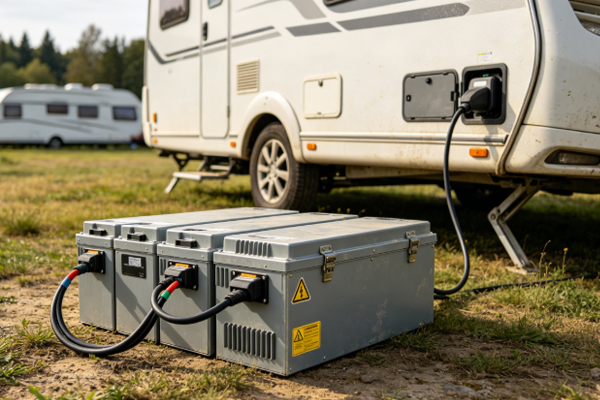
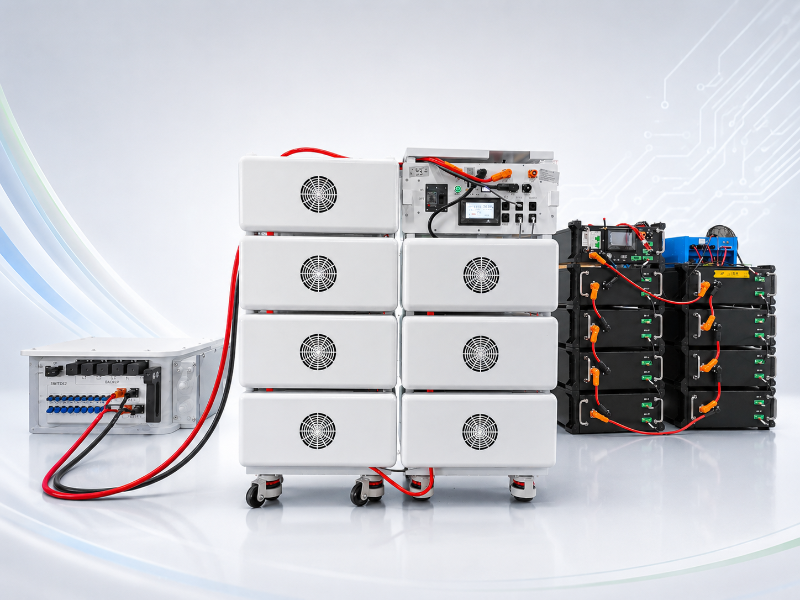
- Expandability: Energy storage systems supporting parallel expansion designs can increase capacity according to future household needs without requiring a complete equipment replacement, making upgrades more convenient and increasing investment utilization.
Choosing stable and reliable lithium iron phosphate energy storage products not only ensures long-term stable power supply but also reduces maintenance frequency, bringing a more relaxed user experience to household energy management.
Installation Environment and System Compatibility are Also Important
The installation location of the energy storage battery directly affects the equipment’s operating performance. For home installation, choose a dry, well-ventilated location with relatively stable temperature, avoiding prolonged exposure to direct sunlight, high temperatures, high humidity, and dusty environments. Ensure sufficient space around the equipment for heat dissipation. For households that have already installed solar photovoltaic systems, confirm whether the energy storage battery is compatible with the existing inverter and energy management system. Products supporting mainstream communication protocols such as CAN and RS485 communication can achieve more stable data interaction and improve the overall system operating efficiency. If you plan to increase the number of photovoltaic panels or expand energy storage capacity in the future, choosing products that support modular design and capacity expansion can reduce upgrade difficulty and lower subsequent investment costs. After installation, regularly checking the connection lines, battery mounting status, and system operation data can further ensure the long-term stable operation of the equipment.
Suitable Application Scenarios for Home Energy Storage Batteries
With the continuous upgrading of household energy utilization methods, energy storage batteries have been applied to more and more life scenarios. Different families can choose corresponding usage schemes according to their own needs to improve overall power efficiency.
- Home Backup Power: When the mains power suddenly fails, the energy storage system can quickly switch the power supply status to ensure the continuous operation of lighting, refrigerators, network equipment, security systems, etc., reducing the impact of power outages on life.
- Photovoltaic Power Generation and Energy Storage: Utilizing solar power to generate electricity during the day and releasing the stored electricity at night for household use increases the self-consumption ratio of photovoltaic power generation and reduces dependence on the grid.
- Peak-Valley Electricity Price Energy Saving: Charging during the low electricity price period at night and discharging during the high electricity price period during the day helps reduce long-term household electricity expenses and improves energy utilization efficiency.
- Power Supply for Villas and Rural Residences: In areas with high requirements for power supply stability or large grid fluctuations, energy storage systems can continuously provide a stable power supply, improving the quality of life for families and meeting daily production and living electricity needs.
Rational use of home energy storage systems can not only improve power supply stability but also enhance the family’s energy independence, providing more reliable support for future green energy applications.
How to Choose a Home Energy Storage Battery Brand Worthy of Long-Term Use
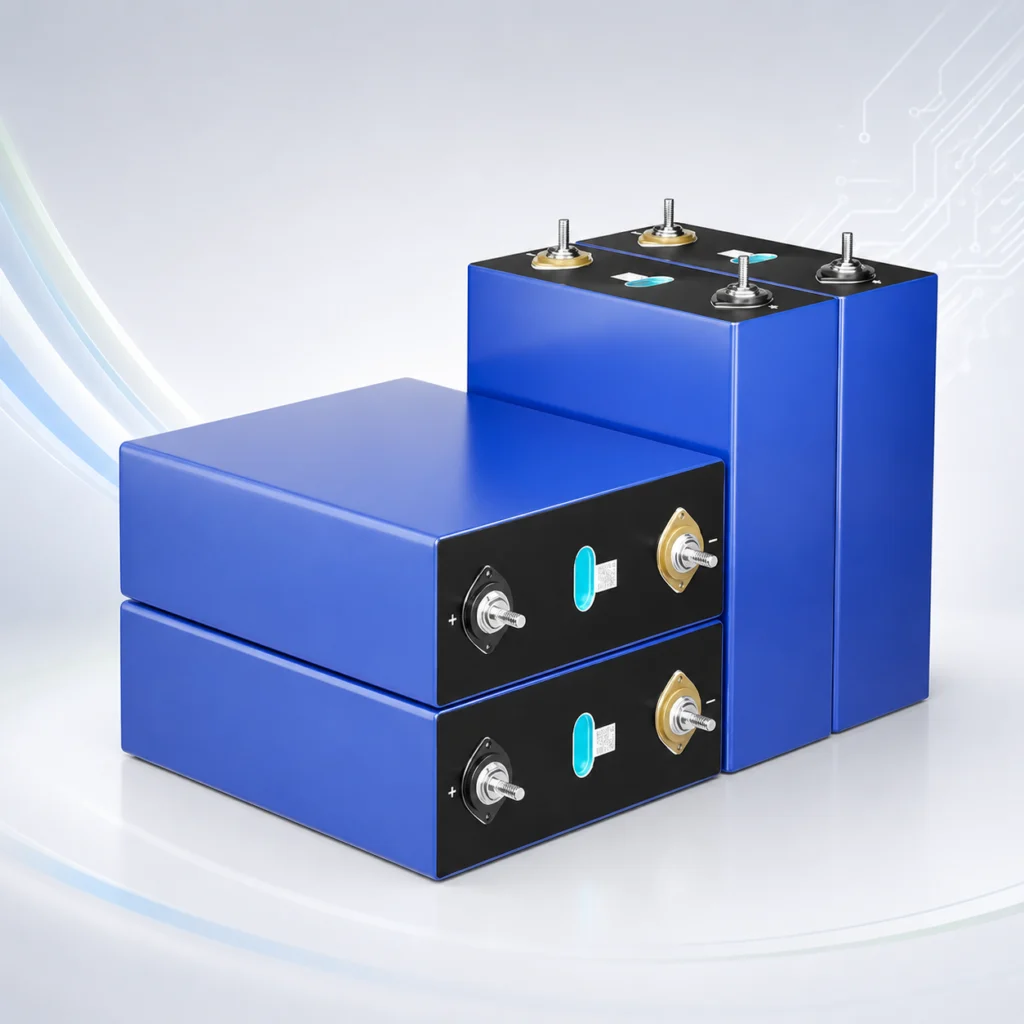
When purchasing home energy storage batteries, product quality, manufacturing process, and after-sales service are equally important. It is recommended to prioritize manufacturers that use Grade A lithium iron phosphate cells, have a complete quality testing system, and mature production experience to ensure that each battery pack has good consistency and stability. Products should have complete safety certifications and have undergone cycle life testing, high and low temperature testing, transportation testing, and charge/discharge performance testing to ensure they can adapt to long-term home use environments. At the same time, attention should be paid to whether the manufacturer provides technical support, installation guidance, after-sales maintenance, and warranty services; a comprehensive service system can effectively reduce subsequent maintenance costs. For users who plan to use home photovoltaic systems long-term and build smart home energy management platforms, choosing lithium iron phosphate energy storage batteries with strong compatibility, high scalability, and stable performance will continuously improve the safety, economy, and energy efficiency of home electricity use, providing a stable and reliable guarantee for future home green energy applications.