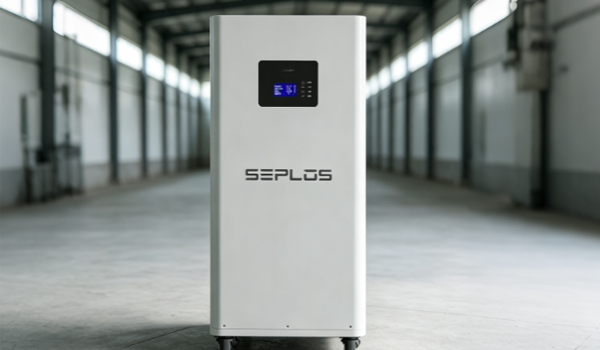
For products that operate over long periods, such as new energy vehicles, power tools, and energy storage systems, the number of cycles a battery can complete and the rate at which its capacity declines directly affect the product’s operating cost. In actual operation, cylindrical batteries are affected by factors such as material characteristics, internal structure, manufacturing processes, and operating conditions. Different application scenarios also have different requirements for cell capacity, rate performance, and stability. When evaluating and improving cycle performance, it is necessary to analyze changes in battery performance during long-term operation based on specific operating conditions.
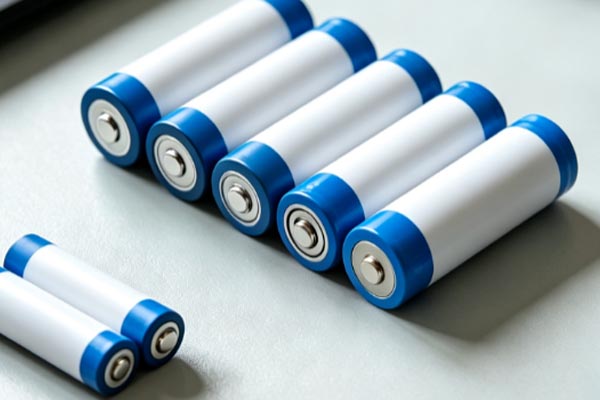
Optimize the Cell Material System
The cycle life of cylindrical batteries is closely related to the long-term stability of the electrochemical reactions involving their internal materials. Material selection is therefore an important foundation for cycle-life design.
Improve Cathode Material Stability
The cathode undergoes structural changes during repeated charging and discharging.
- Select cathode systems with relatively high structural stability.
- Control material degradation under high-voltage conditions.
- Optimize particle size and surface treatment processes.
Stable cathode materials can reduce structural damage during long-term cycling and help maintain a more stable capacity.
Optimize Anode Materials
Anode materials change during cycling, so their stability needs to be improved through material and process optimization.
- Graphite offers good cycle performance and is suitable for applications that prioritize service life.
- Silicon-based materials have higher capacity but are prone to expansion and therefore require special control.
- Optimizing particles, composite materials, and surface treatments can reduce structural changes and improve stability.
- Optimizing the anode formulation and structure helps reduce capacity degradation.
Selecting suitable anode materials and optimizing their structure can balance battery capacity and cycle life.
Improve Electrolyte and Interface Stability
The electrolyte directly participates in ion transport inside the battery. Optimizing the electrolyte formulation and additives can improve the stability of the electrode interface film, reduce side reactions, and limit the continuous loss of active lithium. A stable interface environment can slow capacity degradation and support the long-term cycling of cylindrical batteries.
Optimize Cylindrical Battery Structure and Manufacturing Processes
Material performance can be fully realized only through stable structures and manufacturing processes. The internal design of the cell also affects cycle life.
Optimize the Winding Structure
Cylindrical batteries generally use a winding structure, and the alignment accuracy of the electrode sheets and separator affects current and heat distribution.
- Control winding tension.
- Reduce electrode misalignment.
- Maintain a uniform internal cell structure.
A uniform winding structure helps reduce localized stress and current concentration, allowing the cell to remain stable during long-term cycling.
Improve Cell Consistency
When multiple cylindrical cells are assembled into a battery pack, cell consistency affects the overall cycle life:
- Excessive capacity differences can cause some cells to become fully charged or fully discharged earlier than others.
- Differences in internal resistance can create voltage and temperature variations, accelerating the degradation of some cells.
- Differences in self-discharge rates can gradually cause the charge levels of cells to diverge.
- Controlling processes such as coating, calendaring, winding, welding, and formation helps reduce differences between cells.
Improving cell consistency can extend battery-pack life and enhance operating stability.
Optimize Formation and Aging Processes
Formation affects the development of the electrode surface interface film, which in turn affects battery life.
- Properly control the formation current to reduce polarization and side reactions.
- Control the formation temperature to promote the development of a stable interface film.
- Set an appropriate formation time to fully activate the electrode materials.
- Carry out proper aging treatment to make cell conditions more stable.
- Screen out cells with abnormal capacity, internal resistance, or self-discharge.
Standardized formation, aging, and screening processes help improve cell consistency and extend the cycle life of cylindrical batteries.
Optimize Charge and Discharge Management Strategies
The way a battery is charged and discharged continuously affects its internal condition. Appropriate management strategies can reduce unnecessary degradation.
Control the Charging Rate
High-rate charging increases internal polarization and heat generation. Within the limits permitted by the product, reasonably controlling the charging current can reduce excessive electrochemical stress. For high-capacity cylindrical batteries, the appropriate charging strategy should also be determined based on the cell materials and heat dissipation capability. Gentle and stable charging conditions help delay long-term capacity degradation.
Avoid Long-Term Deep Charging and Discharging
Keeping a battery at an extremely high or low state of charge for extended periods may increase degradation stress on the materials and interfaces.
- Set a reasonable SOC range according to actual usage requirements.
- Reduce frequent deep discharging.
- Avoid keeping the battery at an extreme state of charge for long periods.
Reasonably controlling the operating range can help cylindrical batteries achieve more stable cycling performance.
Strengthen BMS Management
The BMS can monitor voltage, current, and temperature in real time, and mainly provides the following functions:
- Overcharge protection: Stops or limits charging when the voltage is too high.
- Over-discharge protection: Disconnects discharge when the voltage is too low, reducing battery damage.
- Overcurrent protection: Limits excessive current to reduce heat generation.
- Temperature protection: Reduces power or stops charging and discharging when the temperature is abnormal.
- Cell balancing: Reduces performance differences between individual cells.
- Status monitoring: Records battery operating data to facilitate maintenance and fault diagnosis.
Comprehensive BMS management can reduce damage to cells caused by abnormal use and improve the safety, stability, and cycle life of the battery pack.
Improve Thermal Management and Control the Operating Environment
Temperature is an important factor affecting battery cycle life, especially in high-rate charging and discharging and high-power operating scenarios.
Control the Operating Temperature
High temperatures accelerate internal side reactions, while low temperatures affect ion transport and charging performance. Therefore, effective temperature control is necessary.
- Use air cooling, liquid cooling, or other methods to keep the battery within a suitable operating temperature range.
- High-power equipment should reduce temperature differences between cells and prevent localized overheating.
- Avoid high-current charging and discharging in extremely hot or cold environments.
Stable temperatures help reduce performance fluctuations and delay capacity degradation.
Improve the Heat Dissipation Structure
When cylindrical batteries are arranged densely, internal heat dissipation can become uneven. Therefore, the heat dissipation structure needs to be optimized:
- Set appropriate spacing between cells to ensure the circulation of air or cooling media.
- Optimize the thermal conduction structure to remove heat from the cells promptly.
- Design smooth cooling channels to reduce localized heat accumulation.
- Reduce temperature differences between cells and prevent localized overheating.
Reasonable cell layouts, thermal conduction paths, and cooling methods can improve heat dissipation efficiency and provide stable conditions for high-rate charging and discharging and long-term cycling.
Adjust Usage Methods According to the Application
Different operating environments have different effects on battery life. New energy vehicles focus on fast charging, driving range, and high- and low-temperature performance; energy storage systems place greater emphasis on long-term cycling and stable operation; and power tools prioritize high-rate output. Adjusting charging and discharging strategies and thermal management solutions according to actual application scenarios can prevent cells from being subjected to operating conditions beyond their design limits for extended periods.
Improving the cycle life of cylindrical batteries requires coordinated efforts in materials, structure, manufacturing processes, charge and discharge management, and thermal management. A stable material system can reduce internal degradation, refined manufacturing can improve cell consistency, and appropriate BMS strategies and temperature control can reduce additional losses during use. Only by developing cycle-life optimization solutions based on the actual operating conditions of different applications can cylindrical batteries achieve a better balance among capacity retention, safety performance, and long-term operating cost.