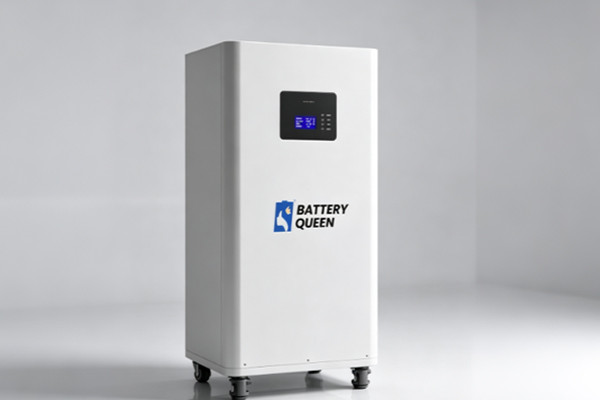
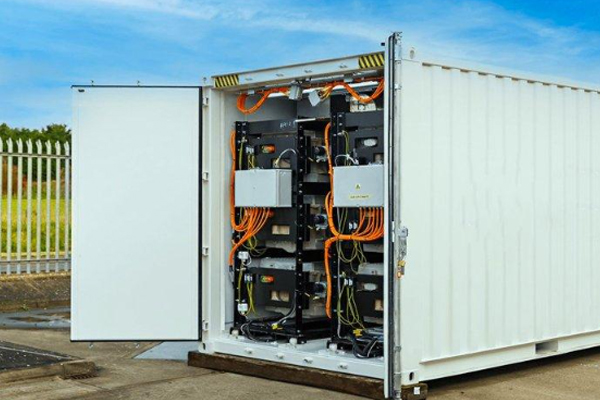
As electricity demand continues to grow and time-of-use electricity pricing becomes more widely adopted, commercial and industrial energy storage systems are becoming an important solution for optimizing energy consumption and reducing electricity costs. An energy storage system can store electricity during low-price periods and release it during high-price periods. When combined with solar power generation, backup power, and load management, it can also improve overall energy utilization.
The battery is the core energy storage component, and its safety, cycle life, charging and discharging efficiency, and maintenance requirements have a direct impact on system performance. Among various battery technologies, lithium iron phosphate (LiFePO4 or LFP) batteries are widely used in commercial and industrial energy storage cabinets, containerized energy storage systems, solar energy storage systems, and microgrid applications. Their excellent safety characteristics, long cycle life, stable charging and discharging performance, and mature system integration technology make them a practical choice for businesses that require reliable energy storage over many years.
Excellent Safety and Stability of Lithium Iron Phosphate Batteries
Commercial and industrial energy storage systems generally contain large battery capacities and may operate for long periods with frequent charging and discharging. Battery safety is therefore a critical consideration during system design. Lithium iron phosphate batteries use lithium iron phosphate as the cathode material. This material has good thermal stability and can maintain relatively stable electrochemical performance under normal operating conditions.
Compared with some other lithium battery chemistries, LFP batteries offer good stability under elevated temperatures and abnormal operating conditions. This characteristic is valuable for systems installed in factories, commercial buildings, industrial parks, and outdoor energy storage facilities.
Commercial and industrial energy storage systems are also normally equipped with a battery management system (BMS). The BMS continuously monitors parameters such as cell voltage, temperature, current, and state of charge (SOC). When overcharging, over-discharging, overcurrent, or abnormal temperature conditions are detected, the system can activate corresponding protection measures.
Battery safety does not depend only on the cell chemistry. A complete energy storage system combines battery cells, modules, battery racks, BMS, power conversion systems, thermal management, circuit protection, and fire safety equipment. The coordinated operation of these components helps improve the overall reliability of the energy storage system.
For businesses that need to charge and discharge their batteries every day, stable operating characteristics can help reduce the risk of unexpected battery failures and system downtime.
Suitable for Frequent Charging and Discharging
The operating strategy of a commercial and industrial energy storage system is closely related to the company’s electricity consumption pattern. Businesses can schedule battery charging and discharging according to local time-of-use electricity rates. For example, the battery can be charged during periods when electricity prices are lower and discharged during periods when electricity prices are higher, helping reduce electricity purchases during expensive peak periods.
For companies with photovoltaic systems, excess solar power generated during the day can also be stored in LFP batteries and used later during the evening or other periods with higher electricity prices. This improves the self-consumption rate of solar energy and reduces wasted renewable electricity.
Lithium iron phosphate batteries have good cycle performance and are suitable for the repeated charging and discharging required by commercial and industrial energy storage applications. For systems that operate one or more charge-discharge cycles every day, cycle life is an important factor affecting long-term project economics.
A long service life can reduce the frequency of battery replacement and help lower expenses related to new equipment purchases, installation labor, and system downtime.
Common Commercial and Industrial Energy Storage Applications
- Time-of-use energy management: Charge batteries during low-price periods and discharge them during high-price periods to reduce electricity costs.
- Solar energy storage: Store excess photovoltaic electricity generated during the day for later use.
- Backup power: Provide electricity to critical loads during grid interruptions or short-term outages.
- Peak shaving: Reduce peak electricity demand by using stored energy during periods of high load.
- Microgrid applications: Coordinate energy storage with photovoltaic systems, charging infrastructure, and other energy equipment.
Every business has different load characteristics, electricity prices, and energy storage requirements. System capacity and power should therefore be matched to actual electricity consumption and operating conditions. A properly designed charging and discharging strategy allows LFP batteries to deliver greater economic value.
Lower Long-Term Operating Pressure
Commercial and industrial energy storage projects are usually long-term infrastructure investments rather than short-term equipment purchases. When selecting batteries, businesses need to consider not only the initial purchase price but also maintenance requirements, efficiency, capacity degradation, replacement costs, and potential downtime throughout the operating period.
Lithium iron phosphate batteries are known for their long cycle life. Under appropriate operating conditions and proper temperature control, they can meet the requirements of long-term energy storage applications.
Battery capacity gradually changes during long-term operation due to factors such as cycle count, operating temperature, depth of discharge, and charging and discharging strategies. A reliable BMS and thermal management system are therefore important for maintaining system performance.
When LFP batteries are combined with advanced BMS technology, the system can monitor battery operating conditions and perform cell balancing to help maintain consistency between battery cells and modules.
For factories, shopping centers, data centers, logistics parks, and office complexes, reliable operation and convenient maintenance are also important. Modular LFP battery systems can be configured according to the required energy storage capacity. Maintenance personnel can monitor system operating conditions, SOC, charging and discharging power, and alarm information through an energy management or monitoring platform.
When calculating long-term operating costs, businesses should consider battery service life, charging and discharging efficiency, maintenance requirements, and overall system reliability. Selecting an appropriate LFP battery solution can help establish a more stable and manageable energy storage system.
Flexible Integration into Different Commercial and Industrial Systems
Commercial and industrial energy storage projects vary significantly in scale. A small commercial facility may require several tens of kilowatt-hours of storage capacity, while a large factory or industrial park may require hundreds of kilowatt-hours or even megawatt-hour-level storage.
Lithium iron phosphate batteries are widely available in modular configurations. Battery cells, modules, battery racks, and cabinets can be combined according to project requirements, allowing energy storage systems to be designed for different capacities and power levels.
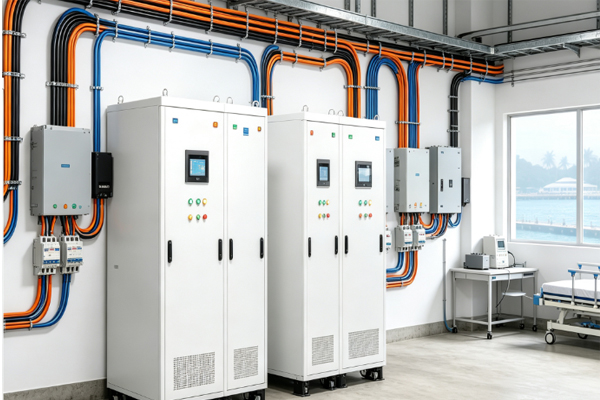
In practical applications, LFP batteries can work together with power conversion systems (PCS), energy management systems (EMS), BMS, fire protection equipment, and grid monitoring systems to create an integrated commercial and industrial energy storage solution.
The system can automatically charge and discharge according to an energy management strategy. It can also adjust its operating mode according to photovoltaic output, electricity demand, and time-of-use electricity prices.
Key Parameters for Commercial and Industrial Energy Storage
- Battery capacity: Determine capacity according to daily electricity consumption and the desired energy storage duration.
- Rated power: Select PCS power according to peak load requirements and the equipment that needs to be supported.
- Cycle life: A major factor affecting long-term operation and project economics.
- Charging and discharging efficiency: Higher efficiency generally means lower energy losses during energy storage and release.
- Operating temperature: Appropriate thermal management helps maintain stable battery performance.
- BMS functions: The system should monitor and protect key parameters such as voltage, temperature, current, and SOC.
- System scalability: Modular expansion can be useful for businesses whose future electricity demand may increase.
Proper system sizing helps prevent insufficient battery capacity while avoiding unnecessary investment caused by excessive capacity. Businesses can determine an appropriate LFP battery configuration based on actual load profiles, electricity rates, solar generation, and expected energy storage benefits.
Lithium Iron Phosphate Batteries Are an Important Choice for Commercial and Industrial Energy Storage
Commercial and industrial energy storage systems need to handle frequent charging and discharging, changing electrical loads, and long operating periods. Battery safety, stability, cycle life, and efficiency directly influence system performance and long-term investment value.
Lithium iron phosphate batteries offer stable material characteristics, good cycle performance, mature BMS technology, and flexible system integration. These features make them suitable for time-of-use energy management, solar energy storage, backup power, peak shaving, and microgrid applications.
When purchasing an energy storage system, businesses should look beyond nominal battery capacity and initial purchase price. Cycle life, rated power, charging and discharging efficiency, BMS protection, thermal management, fire safety, system scalability, and after-sales service should all be considered.
For long-term commercial and industrial energy storage projects, a properly designed and appropriately sized lithium iron phosphate battery system can provide reliable energy storage while helping businesses manage electricity costs and improve energy utilization.
For companies planning to install commercial and industrial energy storage, lithium iron phosphate batteries have become a mature and widely adopted battery solution. By matching battery capacity and system power to actual electricity consumption, time-of-use electricity prices, photovoltaic generation, and load characteristics, businesses can achieve a more reliable energy storage system with strong long-term operating value.