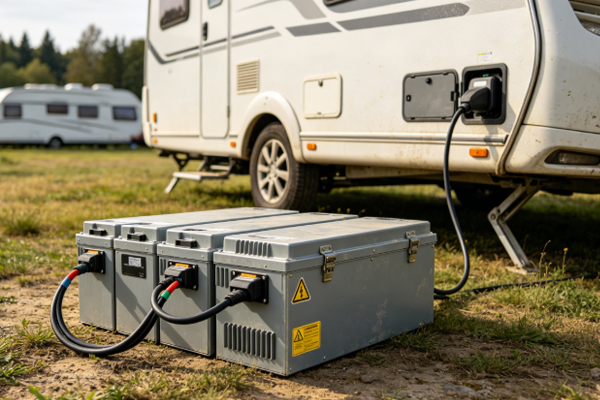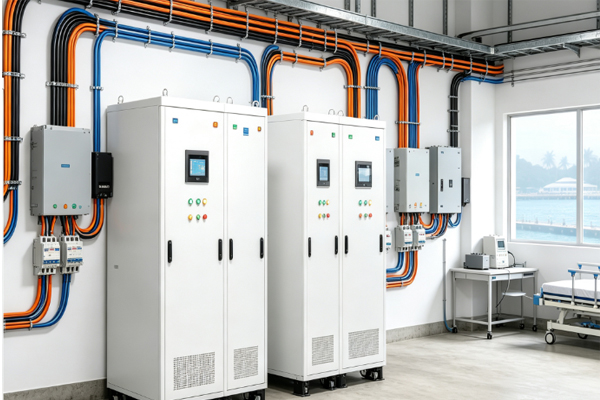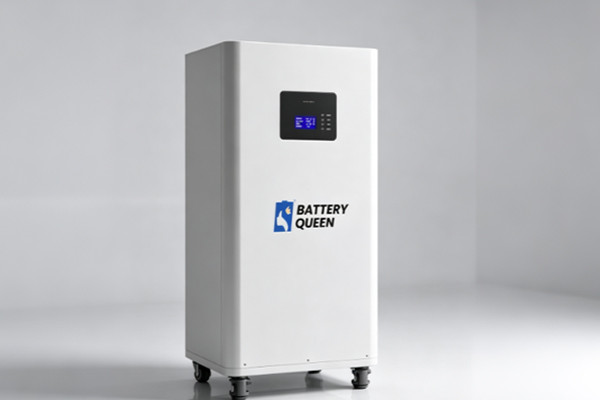
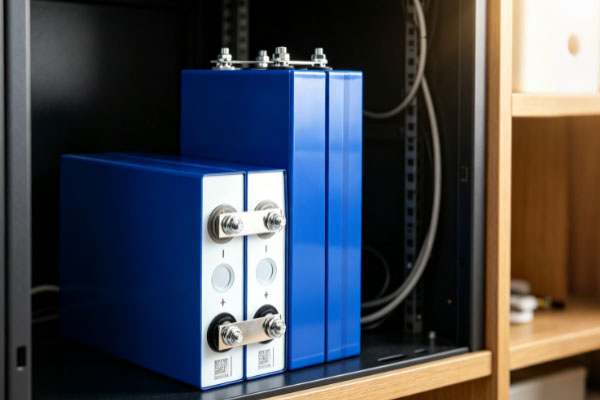
LiFePO4 batteries feature a long cycle life, relatively high energy density, and good stability, so they are widely used in energy storage systems, electric golf carts, RVs, low-speed electric vehicles, outdoor equipment, communication power supplies, and various industrial equipment. After winter arrives, the ambient temperature drops, and the rate of chemical reactions inside the battery is also affected. When charging in low-temperature environments, particular attention needs to be paid to battery temperature and charging conditions. For many conventional LiFePO4 batteries, the charging temperature range usually starts at around 0°C, but the minimum charging temperature is not exactly the same for different products.
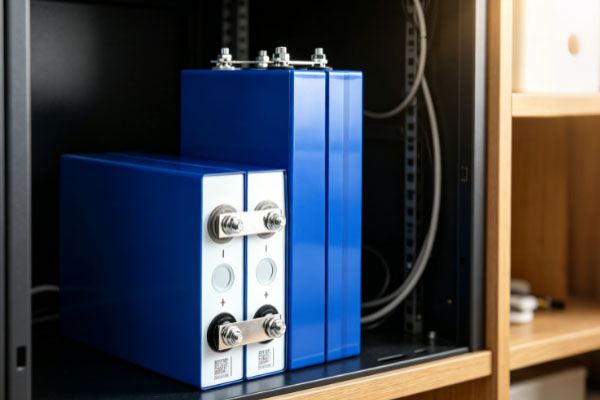
Some products set 0°C as the low-temperature charging protection point. When the cell temperature falls below the specified value, the BMS will stop or limit charging. There are also LiFePO4 batteries designed for cold regions that can support charging at lower temperatures through heating functions or special cell designs. During winter use, it is important to distinguish between “low-temperature discharge” and “low-temperature charging.” Some LiFePO4 batteries can discharge at relatively low temperatures, but this does not mean they can be charged directly at the same temperature. Unsuitable low-temperature charging conditions may affect battery capacity, cycle life, and long-term operating stability. Therefore, checking the charging temperature range in the battery specifications and operating the battery together with the BMS protection functions are important steps when using LiFePO4 batteries in winter.
Why Does Low Temperature Affect LiFePO4 Battery Charging in Winter?
Low Temperature Reduces the Reaction Rate Inside the Battery
When the temperature drops, the activity of the electrolyte and the ability of lithium ions to migrate inside the battery are affected, and the internal resistance of the battery may also increase. If the battery is still charged under normal-temperature conditions, its ability to accept charging current will change. Especially below 0°C, directly charging a standard LiFePO4 battery may cause lithium plating. Lithium ions may not enter the anode material normally and may instead form metallic lithium deposits on the anode surface. This may result in irreversible capacity loss and affect the long-term cycling performance of the battery.
Low-Temperature BMS Protection Should Not Be Disabled Arbitrarily
Many LiFePO4 battery packs are now equipped with a BMS that monitors cell temperature, voltage, current, and other operating conditions. When the cell temperature falls below the specified charging protection value, the BMS may automatically stop charging. For example, an actual 51.2V LiFePO4 battery product sets 5°C as the temperature for releasing low-temperature charging protection and 0°C as the low-temperature charging protection temperature in its BMS parameters. The settings may vary between different battery products, so a single standard value should not be applied to all products.
What Should You Pay Attention to When Charging LiFePO4 Batteries in Winter?
When charging in winter, focus on the following checks:
Confirm the battery temperature: Check the actual battery temperature before charging. This is especially important after the battery has been stored outdoors, in a garage, or in a low-temperature warehouse for an extended period. Do not determine the battery condition only based on the indoor air temperature.
Avoid charging directly below the specified temperature: Standard LiFePO4 batteries are generally not recommended for direct charging below 0°C. The minimum charging temperature of some products may be higher than 0°C. Always follow the product specifications and BMS parameters.
Use a compatible charger: The charger needs to match the battery’s rated voltage, charging voltage, and current requirements. In winter, do not increase the charging current yourself simply because the charging speed becomes slower.
Warm the battery before charging in low-temperature environments: If the battery temperature is too low, place the battery in a warm, dry environment that meets the product requirements, allowing the cell temperature to return to the permitted charging range before starting to charge. For cold regions, LiFePO4 batteries with a self-heating function can also be selected. Some low-temperature batteries use charging current to heat the cells first and then enter the normal charging stage after reaching a safe temperature.
It is important not to use an open flame or other uncontrolled high-temperature methods to heat the battery directly. The heating process should be gradual and stable to prevent excessive local temperatures.
Frequently Asked Questions
Q: Can a LiFePO4 battery still be charged below 0°C?
A: Standard LiFePO4 batteries are generally not recommended for direct charging below 0°C. Many standard products use the BMS to limit low-temperature charging and only allow charging after the battery temperature returns to the specified range. There are also specially designed low-temperature LiFePO4 batteries that can be charged in environments below 0°C, but the product must explicitly support this function. Low-temperature charging capabilities vary significantly between products and should not be determined based on the specifications of standard batteries.
Q: Why can a battery discharge at low temperatures in winter but cannot be charged directly at low temperatures?
Discharging and charging are different operating conditions. Some LiFePO4 batteries allow discharge at temperatures as low as -20°C or even lower, while standard products may still require a charging temperature above 0°C. Low-temperature discharge mainly results in reduced capacity and lower power output, while low-temperature charging may also increase the risk of lithium plating on the anode. Therefore, the same temperature standard cannot be applied to both conditions.
Q: Is it normal for charging to become slower in winter?
In low-temperature environments, the internal reaction rate of the battery decreases, which may affect charging efficiency. If the product has a low-temperature charging function, some batteries may also need to be preheated first, so the total charging time may be longer than under normal-temperature conditions. For low-temperature batteries with a self-heating function, the BMS can heat the cells first and then begin normal charging after the cells reach the permitted charging temperature.
Simple Inspection Method for Using LiFePO4 Batteries in Winter
Before starting to charge in winter, you can follow these steps:
- Check the actual battery temperature and BMS status.
- Confirm whether the current temperature has reached the minimum charging temperature specified for the product.
- Check whether the charger model and output parameters are compatible.
- Check the battery housing, terminals, and connecting cables for any abnormalities.
- If the battery temperature is too low, warm the battery before charging.
Precautions During Charging
During charging, if the BMS triggers low-temperature protection, abnormal temperature, communication errors, or other alarms, it is not recommended to force charging by modifying parameters, removing protection circuits, or using other methods. For batteries with a self-heating function, follow the manufacturer’s instructions and wait for the heating process to finish. LiFePO4 batteries need to receive an appropriate charging current under suitable cell temperature conditions during winter charging. The battery temperature, charger, and BMS should be kept as compatible as possible in terms of model and specifications to reduce the impact of low temperatures on battery performance.
When using LiFePO4 batteries in winter, special attention needs to be paid to low-temperature charging. Standard LFP batteries should generally avoid direct charging below 0°C, while products with low-temperature charging functions should be used according to their specific specifications. Different manufacturers, cells, and BMS parameters may have significant differences, so the minimum charging temperature cannot be determined simply based on the term “LiFePO4 battery.” In daily use, “check the temperature — check the BMS — match the charger — preheat when necessary” can be used as a basic winter charging procedure. For golf carts, RVs, energy storage equipment, communication equipment, and outdoor power supplies that frequently operate in cold regions, it is recommended to confirm during the purchasing stage whether low-temperature charging is required, whether a built-in heating function is needed, and the minimum charging temperature supported by the battery. If LiFePO4 batteries need to be used in low-temperature environments for extended periods, battery packs can also be customized according to the equipment voltage, capacity, operating temperature, and charging requirements, with the corresponding BMS and low-temperature protection solution.