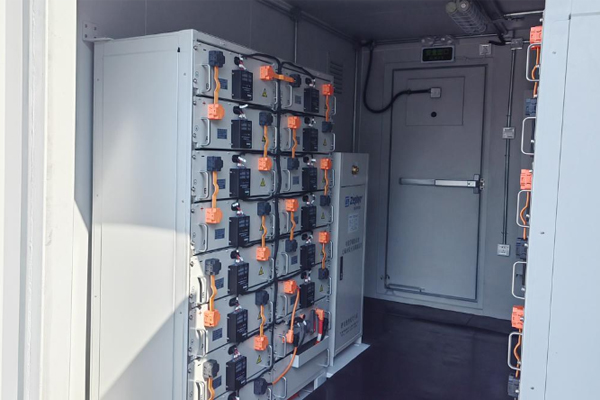
With the rapid development of energy storage technology, battery performance requirements are continuously increasing in industries such as electric transportation, renewable energy storage, industrial equipment, and backup power systems. LTO battery, also known as lithium titanate battery, is a special type of lithium-ion battery that uses lithium titanate as the anode material. Compared with traditional lithium batteries, LTO batteries provide excellent charging speed, extremely long cycle life, high safety, and strong environmental adaptability.
LTO batteries have attracted attention in applications that require frequent charging and discharging because of their unique material characteristics. They can complete fast energy replenishment in a short time while maintaining stable performance during long-term operation. Although their energy density is lower than some other lithium battery technologies, their advantages in safety, durability, and charging efficiency make them an important choice for specific energy storage applications.

Basic Structure and Working Principle of LTO Batteries
An LTO battery is a lithium-ion battery that replaces the traditional graphite anode with lithium titanate material. During the charging and discharging process, lithium ions move between the cathode and anode through the electrolyte, creating energy storage and release.
The lithium titanate anode material has a stable crystal structure, which allows lithium ions to move more efficiently during repeated charging cycles. This structure reduces damage caused by volume expansion and contraction inside the battery, improving cycle performance.
The main components of an LTO battery include:
- Lithium Titanate Anode:Provides excellent structural stability and supports long cycle operation.
- Cathode Material:Works together with the anode to complete energy conversion.
- Electrolyte:Provides a pathway for lithium-ion movement.
- Separator:Prevents direct contact between positive and negative electrodes while allowing ion transmission.
- Battery Management System (BMS):Monitors battery status and improves operational safety.
The combination of these components allows LTO batteries to achieve stable performance under high-frequency charging and discharging conditions.
Main Characteristics That Make LTO Batteries Different
LTO batteries have unique advantages compared with conventional lithium-ion batteries. Their material structure provides excellent stability, making them suitable for applications requiring long service life and fast charging capability.
Important characteristics of LTO batteries include:
- Extremely Long Cycle Life:LTO batteries can support thousands of charge and discharge cycles, reducing replacement frequency.
- Fast Charging Capability:The stable lithium titanate structure allows rapid charging with high current.
- High Safety Performance:The anode material has strong thermal stability and reduces safety risks.
- Wide Operating Temperature Range:LTO batteries can maintain stable performance in cold and hot environments.
- Low Maintenance Requirements:Long service life reduces maintenance costs during operation.
These characteristics make LTO batteries suitable for scenarios where reliability and durability are more important than maximum energy density.
Application Fields of LTO Batteries
Due to their fast charging ability and long lifespan, LTO batteries are widely used in industries that require frequent energy cycling and stable power supply.
Common application scenarios include:
- Electric Vehicles:Used in electric buses, commercial vehicles, and transportation equipment that require frequent charging.
- Energy Storage Systems:Provides reliable energy storage for renewable energy projects and grid support systems.
- Industrial Equipment:Supports equipment that requires continuous operation and frequent charging.
- Fast Charging Stations:Helps improve charging efficiency for electric transportation systems.
- Backup Power Systems:Provides stable emergency power for important facilities.
In these applications, LTO batteries can reduce downtime caused by long charging periods and frequent battery replacement, improving overall equipment efficiency.
Advantages and Limitations of LTO Batteries
LTO batteries provide excellent performance in durability, safety, and charging speed, but they also have certain characteristics that need to be considered during selection. Understanding their advantages and limitations helps users choose the right battery technology according to actual requirements.
The main advantages include:
- Long Service Life:Suitable for applications requiring frequent charge and discharge cycles.
- Excellent Safety:Stable chemical structure reduces thermal safety risks.
- Rapid Charging Speed:Supports high-current charging to shorten charging time.
- Strong Environmental Adaptability:Performs well under different temperature conditions.
The limitations include:
- Lower Energy Density:Requires more installation space compared with some high-energy-density batteries.
- Higher Initial Cost:Advanced materials and manufacturing processes may increase purchase costs.
Although LTO batteries may not be the best choice for every application, their long-term reliability and outstanding cycle performance provide significant value in demanding energy storage environments.
How to Choose a Suitable LTO Battery System
When selecting an LTO battery system, users need to consider application requirements, operating conditions, and expected service life. Different industries have different requirements for battery capacity, charging speed, and installation methods.
Important factors to consider include:
- Battery Capacity Requirements:Select suitable capacity according to energy consumption needs.
- Charging and Discharging Frequency:High-frequency applications benefit more from LTO technology.
- Operating Environment:Consider temperature range and installation conditions.
- Safety Requirements:Choose systems with reliable battery management and protection functions.
- System Compatibility:Ensure the battery matches existing equipment and energy systems.
LTO batteries are an advanced lithium battery technology known for fast charging, long cycle life, and excellent safety. Although their energy density is different from traditional lithium-ion batteries, they provide outstanding advantages in transportation, industrial equipment, and energy storage applications that require high reliability. With the continued growth of renewable energy and intelligent power systems, LTO batteries will continue to play an important role in areas requiring durable and efficient energy solutions.