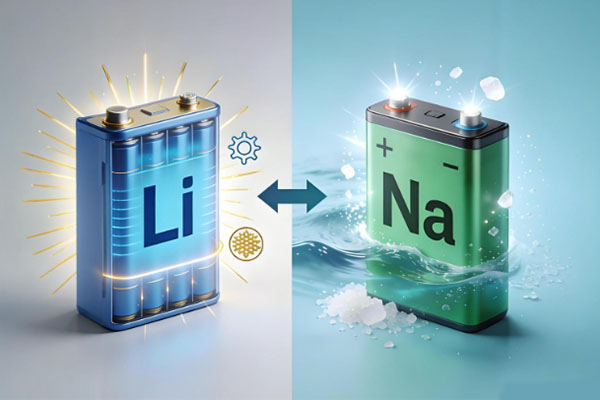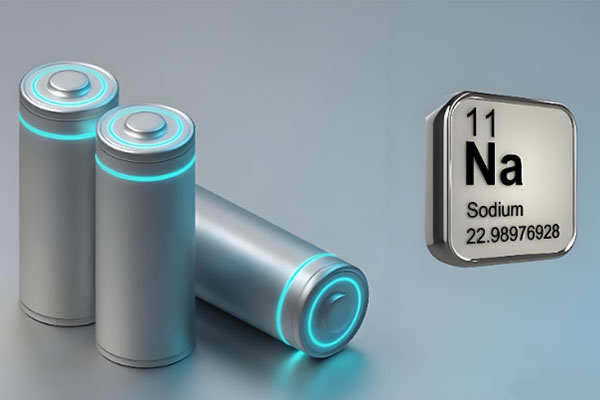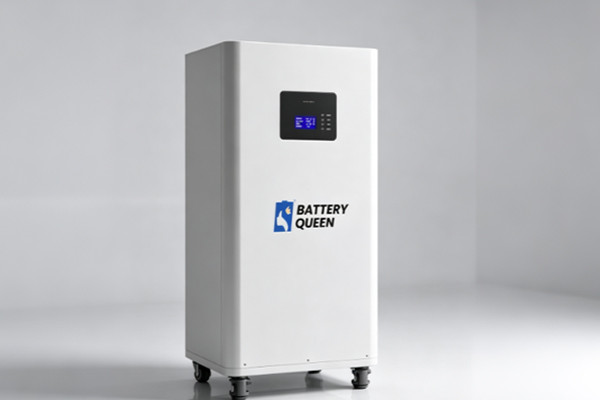
The new energy industry continues to expand, and battery technology is also constantly evolving. In addition to the widely used lithium-ion batteries, sodium-ion batteries are gradually becoming a new focus in the fields of energy storage, electric vehicles, and industrial equipment. With advantages such as abundant resources, potential manufacturing cost benefits, and good low-temperature performance, sodium-ion batteries are attracting increasing attention from enterprises and research institutions, while also providing a new technological pathway for energy structure transformation.
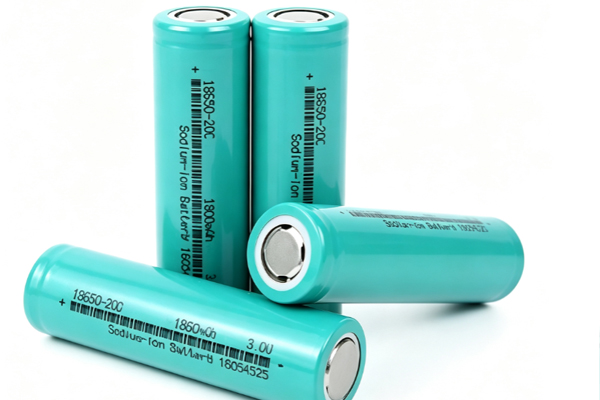
What Is a Sodium-Ion Battery
As a new type of energy storage technology, sodium-ion batteries have received widespread attention in the new energy sector in recent years.
Basic Definition of Sodium-Ion Batteries
A sodium-ion battery is a rechargeable battery that uses sodium ions as the carrier for energy transfer.
- During charging, sodium ions move from the cathode to the anode to store energy.
- During discharging, sodium ions return to the cathode to release electrical energy.
- Its working principle is similar to that of lithium-ion batteries, but it uses a different active ion system.
This energy storage method enables repeated charge and discharge cycles, providing stable power support for various devices.
Main Components of Sodium-Ion Batteries
Sodium-ion batteries are composed of several key components, each of which jointly determines overall performance and service life.
- The cathode material is used to store and release sodium ions, affecting capacity and stability.
- The anode material provides space for sodium ion insertion and extraction, influencing efficiency and rate performance.
- The electrolyte is responsible for ion transport and ensures smooth electrochemical reactions.
- The separator isolates the cathode and anode to prevent short circuits while allowing sodium ions to pass through.
All components work together to form a stable electrochemical system, enabling efficient energy storage and release.
What Are the Characteristics of Sodium-Ion Batteries
Sodium-ion batteries show strong application potential in energy storage and certain power-related fields.
Abundant Raw Material Resources
Sodium is abundant in nature and widely found in seawater and mineral resources. Compared with some rare metal materials, sodium has lower acquisition costs, more stable supply channels, and stronger sustainability, helping reduce long-term industrial chain risks. This resource advantage provides a foundation for large-scale commercial applications.
Good Low-Temperature Performance
In complex environmental applications, sodium-ion batteries demonstrate good low-temperature adaptability.
- They can maintain relatively stable discharge performance in low-temperature environments.
- They support normal device operation in cold regions or winter conditions.
- Compared with some traditional battery systems, they have better low-temperature startup capability.
This gives them promising application prospects in northern region energy storage systems and outdoor equipment.
Continuously Improving Cycle Performance
With continuous optimization of materials and manufacturing processes, the cycle performance of sodium-ion batteries is steadily improving.
- Increased charge-discharge cycle life.
- Reduced capacity degradation rate.
- Ability to meet long-term operation requirements of energy storage and power devices.
The improvement in cycle life further enhances their application value.
In Which Fields Are Sodium-Ion Batteries Mainly Used
As the technology matures, the application scope of sodium-ion batteries continues to expand.
Energy Storage Systems
The energy storage sector is one of its most important application areas.
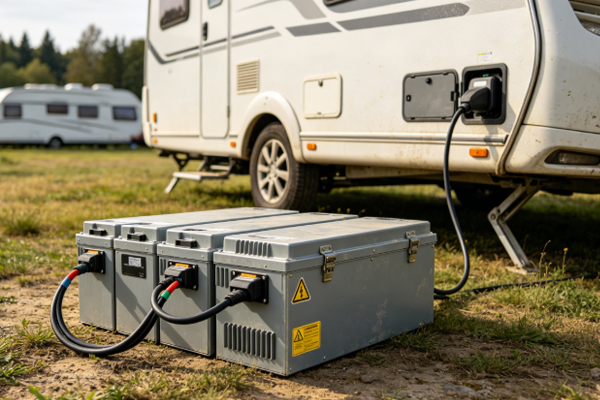
- Residential energy storage: used for storing and regulating solar or wind power.
- Commercial and industrial energy storage: used for peak shaving and improving energy efficiency.
- Grid energy storage: used for peak regulation and backup power to enhance grid stability.
With cost and resource advantages, it is highly attractive in large-scale energy storage scenarios.
New Energy Transportation
In the field of new energy transportation, sodium-ion batteries are gradually entering testing and application stages. They can be used in electric two-wheelers to meet short-distance urban travel needs, and are also suitable for electric three-wheelers and low-speed logistics vehicles to improve operational efficiency. In addition, they can serve as auxiliary or scenario-specific power sources in certain new energy vehicles. With technological progress, their application scope in transportation is expected to further expand.
Industrial and Backup Power Supply
In industrial applications, sodium-ion batteries also have certain value.
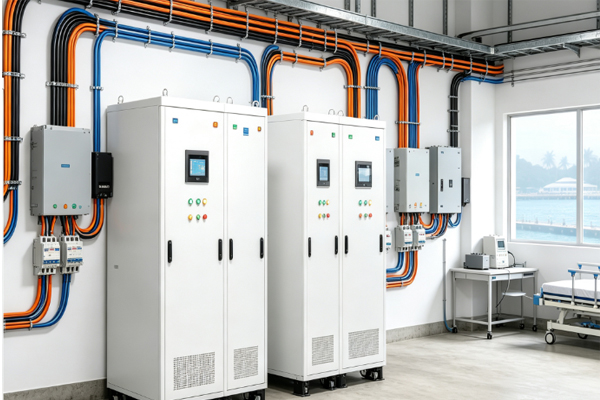
- Communication base station backup power: ensures stable operation of communication systems.
- UPS uninterruptible power systems: provides emergency power support.
- Industrial automation equipment: improves power supply reliability.
These scenarios require high stability, which also drives continuous performance optimization.
What Are the Differences Between Sodium-Ion and Lithium-Ion Batteries
The two share similar structural principles, but differ significantly in materials and application directions.
Different Material Systems
The two types of batteries use different active elements.
- Sodium-ion batteries use sodium as the charge carrier, offering more abundant resources.
- Lithium-ion batteries use lithium as the core element and typically have higher energy density.
- Material differences determine cost, performance, and application direction.
Different material systems form their own technical characteristics and market positioning.
Different Application Directions
Different performance characteristics suit different market demands.
- Sodium-ion batteries are more suitable for energy storage systems and cost-sensitive scenarios.
- Lithium-ion batteries are more suitable for consumer electronics and high-end electric vehicles requiring high energy density.
- Practical selection should be based on specific application requirements.
Choosing the appropriate battery type according to actual needs can achieve better overall performance.
Continuous Technological Development
Battery technology is still developing rapidly, and sodium-ion batteries are also continuously improving.
- New materials are being developed to enhance performance.
- Manufacturing processes are being optimized to improve consistency and reliability.
- Application scenarios are expanding, and the industrial chain is becoming more complete.
As the technology matures, its market competitiveness will continue to increase.
Against the backdrop of continuous advancement in new energy technologies, the industrialization of sodium-ion batteries is accelerating, and their application prospects in energy storage systems, electric mobility, and industrial power supply are becoming increasingly clear. With ongoing optimization of material systems and manufacturing processes, this technological route is expected to provide more viable solutions for green energy structures. At the same time, the related industrial chain is also continuously improving, driving gradual cost reductions. In the future, as large-scale applications progress, market acceptance is expected to further increase.