With the continuous development of new energy equipment, energy storage systems, and electric vehicle industries, batteries, as core energy components, have attracted increasing attention. Among them, lithium iron phosphate batteries are widely used in new energy vehicles, home energy storage, industrial equipment, and portable power supplies due to their high safety, long service life, and strong stability. As the core component of a lithium iron phosphate battery, the battery cell directly affects the battery’s performance, capacity, and overall user experience.
Basic Concept of LiFePO4 Battery Cells
What is a LiFePO4 Battery Cell?
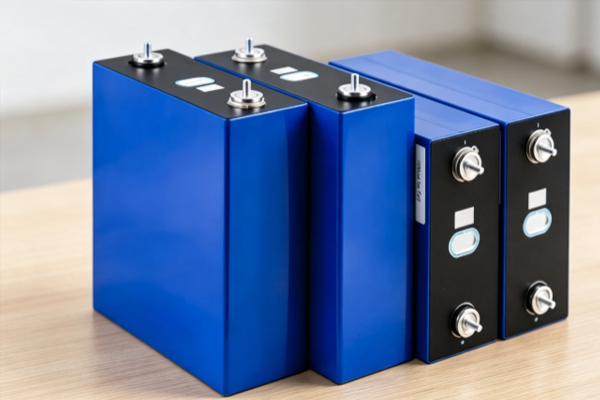
A LiFePO4 battery cell is a lithium-ion battery unit that uses lithium iron phosphate (LiFePO₄) as the cathode material. It is the most basic structure responsible for storing and releasing electrical energy in a battery system. Multiple cells can be connected in series or parallel to form battery packs with different voltages and capacities. A battery cell is like an “energy storage unit” inside a battery, responsible for converting electrical energy into chemical energy during charging and converting chemical energy back into electrical energy during discharging. Whether it is a high-capacity power battery used in electric vehicles or a battery pack used in home energy storage equipment, stable and reliable LiFePO4 battery cells are essential.
Main Structural Components of LiFePO4 Battery Cells
A LiFePO4 battery cell consists of several important internal components, and each part affects the cell’s performance.
Cathode Material: The cathode uses lithium iron phosphate material, which features a stable structure and high thermal stability. Under high temperatures or abnormal conditions, the material is less likely to undergo severe reactions, improving the overall safety performance of the battery.
Anode Material: The anode usually uses graphite material, which is responsible for storing and releasing lithium ions. During charging, lithium ions move from the cathode to the anode; during discharging, lithium ions move back to the cathode.
Separator Material: The separator is located between the cathode and anode. Its main function is to prevent direct contact between the two electrodes and avoid short circuits while allowing lithium ions to pass through.
Electrolyte: The electrolyte provides a pathway for lithium ion movement, enabling the battery cell to complete charging and discharging cycles.
These components together form a complete LiFePO4 battery cell, allowing it to provide stable electrical energy output.
Working Principle of LiFePO4 Battery Cells
How Does a Battery Cell Store Energy During Charging?
During the charging process, an external power source supplies electrical energy to the LiFePO4 battery cell. Lithium ions are released from the cathode material and move through the electrolyte and separator to the anode area, while electrons flow to the anode through the external circuit. At this stage, electrical energy is converted into chemical energy and stored inside the battery cell. As lithium ions continue to enter the anode material, the voltage of the cell gradually increases until it reaches the preset charging state. Under the control of a proper battery management system, LiFePO4 battery cells can maintain a stable charging process and reduce the possibility of overcharging or overheating.
How Does a Battery Cell Release Energy During Discharging?
When a device needs electrical energy, the LiFePO4 battery cell enters the discharge state. Lithium ions in the anode move back to the cathode, while electrons flow through the external circuit to the electrical device, providing power. During this process, the chemical energy stored inside the battery cell is converted into electrical energy, allowing vehicles to operate, supporting energy storage equipment, or meeting the power requirements of other electronic devices. Due to the stable crystal structure of lithium iron phosphate materials, the capacity degradation rate of LiFePO4 battery cells is relatively slow during long-term cycling, allowing them to maintain good performance.
What Are the Features of LiFePO4 Battery Cells?
Higher Safety Performance
One of the biggest advantages of LiFePO4 battery cells is their excellent safety performance. Since the chemical structure of lithium iron phosphate cathode materials is stable, even under high temperatures, overcharging, or certain impacts, they are less likely to experience serious thermal runaway. For equipment that requires long-term operation, such as electric vehicles and energy storage power stations, battery safety is extremely important. The stable material structure helps reduce risks during use and improves overall equipment reliability.
Longer Cycle Life
LiFePO4 battery cells have excellent cycle life and can generally support thousands of charge and discharge cycles. Compared with some traditional battery types, they can provide longer service periods. For example, when a home energy storage system performs daily charging and discharging cycles, long-life battery cells can reduce the need for frequent battery replacement while lowering long-term operating costs.
Strong Operating Stability
LiFePO4 battery cells demonstrate stable performance in different application environments and can adapt to temperature changes within a certain range. Through reasonable battery management system (BMS) design, the operating efficiency of the battery cell can be further improved. In applications such as industrial equipment, solar energy storage, and outdoor power supplies, stable power output capability is one of the key factors users consider.
Better Environmental Performance
Compared with battery materials containing certain heavy metal elements, lithium iron phosphate materials are more environmentally friendly and provide better safety characteristics during production, use, and recycling. With the increasing adoption of green energy applications, LiFePO4 battery cells have become an important choice for many new energy devices.
Frequently Asked Questions
What Is the Difference Between LiFePO4 Battery Cells and Ordinary Lithium Battery Cells?
When choosing battery products, many users pay attention to the differences between various lithium battery cells. Compared with other lithium battery cells, LiFePO4 battery cells mainly differ in materials, safety performance, and service life. LiFePO4 battery cells provide higher safety and stability; they generally have a longer cycle life; they offer stronger adaptability in high-temperature environments; however, their single-cell energy density is slightly lower than some ternary lithium battery cells. Therefore, LiFePO4 battery cells are more suitable for applications that require higher safety and longer service life.
How Many Years Can LiFePO4 Battery Cells Be Used?
The service life of battery cells is affected by factors such as the number of charge and discharge cycles, operating environment, charging methods, and maintenance conditions. Under normal usage conditions, high-quality LiFePO4 battery cells can continue operating for many years.
Why Do Energy Storage Devices Prefer LiFePO4 Battery Cells?
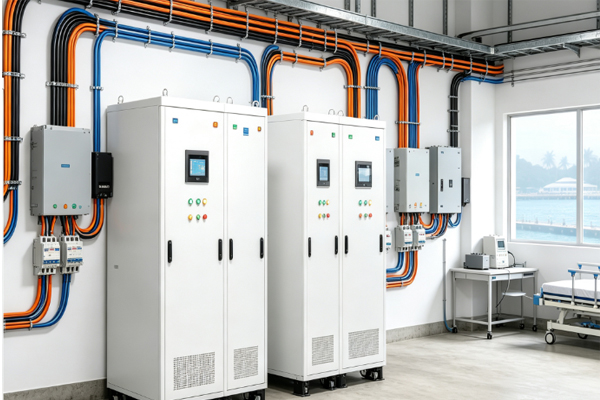
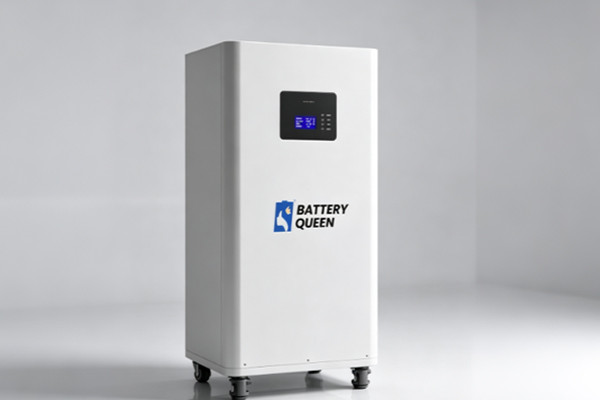
Energy storage devices usually need to operate for long periods and undergo frequent charging and discharging cycles. Therefore, they have higher requirements for battery life, safety, and stable power output. LiFePO4 battery cells can meet these requirements and are increasingly used in home energy storage systems, solar energy storage cabinets, industrial backup power supplies, and other equipment.
A LiFePO4 battery cell is a core component of a lithium-ion battery that uses lithium iron phosphate as the cathode material. Through chemical reactions between internal materials, it completes the storage and release of electrical energy. It features high safety, long cycle life, strong stability, and good environmental performance, making it widely used in new energy vehicles, energy storage systems, industrial equipment, and portable power supply fields. Selecting the right LiFePO4 battery cell not only affects equipment operating performance but also influences long-term usage costs. At the same time, selection should be based on equipment power requirements, operating environment, and capacity needs, while being combined with a reliable battery management system to ensure stable and safe battery operation. By understanding the structure, working principles, and application characteristics of battery cells, users can gain a more scientific understanding of LiFePO4 batteries and obtain useful guidance for future battery selection and usage.