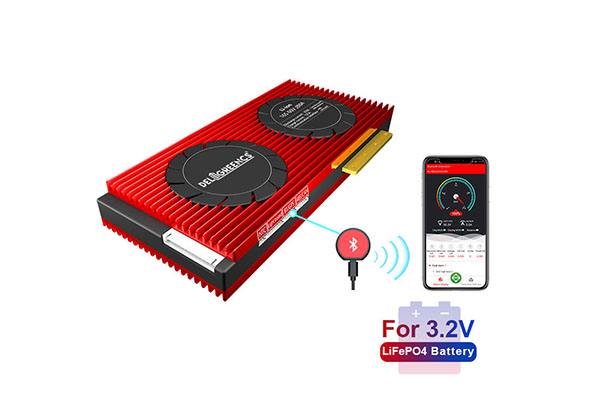
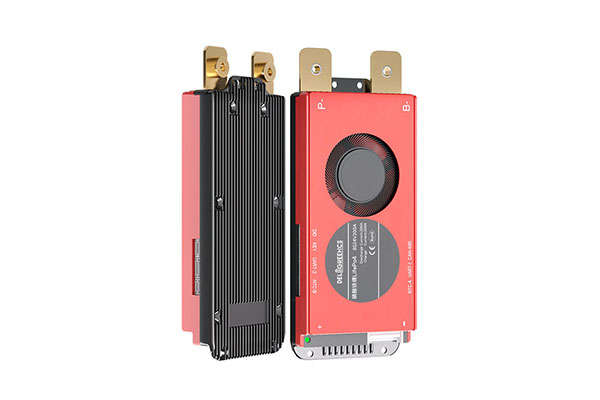
The lifespan of a lithium iron phosphate (LiFePO4) battery depends on more than just cell quality. The battery protection board also plays an important role. When charging a battery or powering a device, it may seem that everything is fine as long as the voltage is normal and the equipment runs properly. However, problems can develop inside the battery. Overcharging, over-discharging, excessive current, or abnormal temperatures can damage battery cells. A Battery Management System (BMS) monitors battery conditions and activates protective measures when specific limits are reached. Whether you are building a home energy storage system, setting up solar power, or assembling a DIY battery pack, choosing the right BMS can improve operating stability and help reduce maintenance issues.
What Does a BMS Battery Protection Board Do?
A battery protection board plays an important role in keeping LiFePO4 batteries operating safely and reliably. Think of it as a safety manager for the battery pack. It monitors cell voltage, current, and temperature. When conditions such as overcharging, over-discharging, overcurrent, or abnormal temperatures occur, a properly configured BMS can limit or disconnect charging and discharging to reduce the risk of battery damage. However, protection features vary by model, so it is important to check the specifications before choosing one.
- Overcharge protection: Limits or stops charging when the voltage exceeds the specified range, helping prevent cell damage.
- Over-discharge protection: Disconnects the discharge circuit when the battery voltage becomes too low.
- Overcurrent and short-circuit protection: Activates protective measures when the current exceeds the set limit, helping protect the cells and wiring.
- Temperature monitoring: Models equipped with temperature sensors can restrict charging or discharging when cells become too hot or too cold.
- Cell balancing: BMS models with balancing functions help reduce voltage differences between cells connected in series, supporting more consistent battery performance.
What Happens If a LiFePO4 Battery Has No BMS?
LiFePO4 batteries offer good safety characteristics and cycle life, but that does not mean they should operate without appropriate protection. This is especially important for battery packs made up of multiple cells connected in series. Even when the total pack voltage appears normal, an individual cell may already be close to its upper charging limit or may reach its lower voltage limit earlier than the others. Without proper monitoring, the battery pack may continue operating under unsuitable conditions.
For example, during charging, the total battery voltage may still be below the charger’s cutoff voltage while one cell is already approaching its maximum permitted voltage. Without individual cell voltage monitoring and appropriate protection, that cell may continue to experience excessive charging stress, potentially affecting its performance and lifespan over time.
Similar problems can occur during discharging. If one cell has a lower actual capacity than the others, it may run out of usable energy sooner. The battery pack may appear to have power remaining, but continued discharge could put that cell at risk. A suitable BMS can monitor these conditions and stop charging or discharging when its protection limits are reached.However, a BMS cannot repair damaged cells or replace a compatible charger, suitable fuses, and properly designed electrical protection.
How Do You Choose the Right BMS for a LiFePO4 Battery?
Price should not be the only consideration when selecting a BMS. A higher current rating is not automatically better. The protection board must match the battery’s cell count, operating voltage, charging and discharging currents, and intended application. Otherwise, the system may not operate correctly, protection may not activate as expected, or essential functions may be incompatible.
- Confirm the number of cells in series: Common 12.8V LiFePO4 batteries typically use four cells in series, 25.6V batteries use eight, and 51.2V batteries use sixteen. Always verify the actual battery configuration and BMS specifications.
- Check the continuous discharge current: For equipment that requires sustained high power, the BMS must support the required load current. Startup surges should also be considered.
- Verify the charging current limit: The BMS charging current rating must be compatible with the battery specifications and charging equipment.
- Check communication support: Home energy storage systems may require CAN or RS485 communication so the battery and inverter can exchange voltage, temperature, state-of-charge, and fault information.
- Compare balancing functions: Passive and active balancing work differently. The appropriate option depends on battery capacity, usage patterns, and budget.
For solar energy storage systems and high-power equipment, check communication protocols, charging parameters, and protection requirements before installation. This can help prevent compatibility problems after the system has been assembled.
What Is the Difference Between a BMS With and Without Cell Balancing?
A BMS with cell balancing can reduce voltage differences between series-connected cells when the required operating conditions are met. Passive balancing dissipates some excess energy as heat, while active balancing transfers energy between cells.A BMS without balancing can still provide its specified voltage, current, and temperature protection, but it cannot actively correct growing voltage differences between cells. For energy storage battery packs that operate over long periods, balancing can help maintain cell consistency. Its effectiveness depends on factors such as balancing current, activation conditions, and product design.If the cells have significant differences in performance or are already damaged, balancing alone cannot solve the underlying problem.
When choosing a LiFePO4 battery pack, the BMS should be considered from the beginning rather than treated as an afterthought. Battery voltage, capacity, maximum charging and discharging current, communication requirements, and operating environment all need to be checked in advance.
If you are planning a home energy storage system, solar power setup, or DIY battery pack and are unsure which BMS specifications are suitable, contact us for assistance. We can help you review your application requirements, explore compatible LiFePO4 batteries, battery packs, and BMS options, and provide relevant product information and customized solution recommendations. Get in touch with us to discuss a battery solution tailored to your project.