When buying a lithium battery, most people immediately check the capacity, runtime, and price, but very few pay attention to the Battery Management System (BMS) inside. In reality, whether a lithium battery performs well, operates safely, and lasts for years depends heavily on its BMS. Even the highest-quality battery cells cannot deliver their full potential without a reliable Battery Management System. That’s why BMS has become an essential component in energy storage systems, electric scooters, robots, RVs, and industrial equipment. So, what exactly does a Battery Management System do? And why is it often called the “brain” of a lithium battery? Let’s take a closer look.
Real-Time Battery Monitoring Keeps the Battery Operating Safely
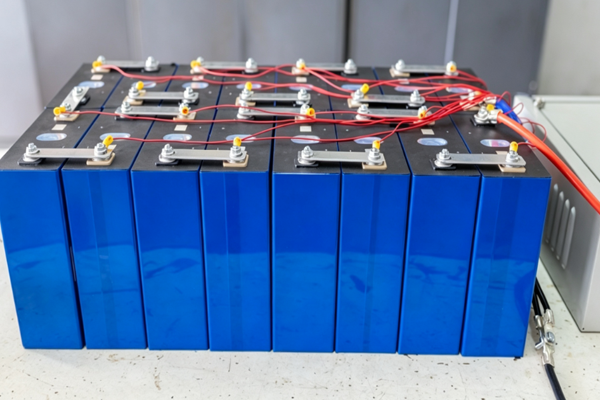
During charging and discharging, a lithium battery’s voltage, current, and temperature are constantly changing. Without continuous monitoring, abnormal conditions can affect the performance of the entire battery pack or even create safety risks. One of the most important jobs of a Battery Management System is to monitor battery status around the clock and ensure every battery cell operates within a safe range.
- Real-time voltage monitoring: Continuously measures the voltage of each battery cell, allowing the system to detect abnormalities early and prevent a single weak cell from affecting the entire battery pack.
- Charge and discharge current monitoring: Tracks charging and discharging current to reduce overheating and excessive battery wear, helping equipment run more smoothly.
- Temperature monitoring: Detects high or low battery temperatures in real time and activates protection measures whenever necessary.
Most users never notice these functions working in the background, but they are the reason lithium batteries can provide stable performance and reliable power every day.
Multiple Safety Protection Functions Reduce Battery Risks
When people think about lithium batteries, safety is often their biggest concern. Fortunately, with a well-designed Battery Management System, most battery risks can be prevented before they become serious problems. One of the BMS’s primary responsibilities is protecting the battery whenever abnormal operating conditions occur.
- Overcharge protection: Automatically stops charging once the battery reaches full capacity, preventing swelling, overheating, and capacity loss.
- Over-discharge protection: Prevents the battery from being discharged beyond its safe limit, helping avoid permanent damage to battery cells and extending service life.
- Overcurrent and short-circuit protection: Immediately disconnects the circuit when excessive current or a short circuit is detected, protecting both the battery and connected equipment.
- Temperature protection: Adjusts battery operation when temperatures become too high or too low, keeping the battery within its safe operating range.
Although these safety features often go unnoticed, they work continuously to create a strong layer of protection for lithium battery systems.
Optimizes Battery Performance and Extends Service Life
Many people believe battery lifespan depends only on battery cells, but the Battery Management System plays an equally important role. A high-quality BMS not only protects the battery but also helps it operate more efficiently, reducing unnecessary wear and maximizing long-term performance.
- Cell balancing: Balances voltage differences between battery cells to prevent individual cells from aging faster, improving overall battery consistency.
- Optimized charging and discharging: Adjusts charging and discharging strategies based on real-time battery conditions, improving energy efficiency and reducing power loss.
- Slower battery aging: Controls operating limits intelligently to minimize the impact of overcharging and deep discharging, helping lithium batteries achieve longer cycle life.
For energy storage systems, robots, and other continuously operating equipment, an advanced Battery Management System improves overall performance while reducing maintenance and replacement costs.
Intelligent Battery Management Improves Overall System Efficiency
As energy storage and renewable energy technologies continue to evolve, modern BMS solutions do much more than protect batteries. They also provide intelligent monitoring, data analysis, and communication functions that make battery systems easier to manage and more efficient.
- Real-time operating data collection: Records voltage, current, temperature, capacity, and other battery information to provide a clear view of battery health.
- Fault detection and early warning: Identifies abnormal operating conditions and issues alerts, allowing users to address problems before they become serious.
- Communication capability: Exchanges data with inverters, controllers, and monitoring platforms to support smarter energy management.
- Remote monitoring: Many advanced Battery Management Systems support remote monitoring, making them ideal for large-scale energy storage projects, industrial equipment, and commercial applications.
As intelligent energy management becomes more important, the Battery Management System has evolved from a simple protection device into the central control unit of modern lithium battery systems, improving efficiency while making battery management easier.
Although the Battery Management System (BMS) is often hidden inside a battery pack, it directly affects the safety, stability, and lifespan of every lithium battery. From real-time monitoring and safety protection to cell balancing and intelligent management, every function contributes to better battery performance and greater reliability. Whether used in energy storage systems, electric vehicles, robots, or other smart devices, choosing lithium batteries equipped with a high-performance Battery Management System provides a safer, more durable, and more efficient power solution while reducing long-term maintenance costs.