LiFePO4 batteries are widely used in home energy storage, solar systems, RVs, boats, and backup power supplies. They offer long cycle life, stable performance, and good safety characteristics. When choosing a battery, it is important to consider capacity, voltage, size, and application requirements.
Common Battery Capacity
LiFePO4 batteries are available in different capacities to meet various power needs. Common options include 20Ah, 50Ah, 100Ah, 150Ah, 200Ah, 280Ah, and 314Ah.
- Small capacity: Suitable for portable devices and small power systems.
- 100Ah batteries: Commonly used in RVs and home energy storage.
- Large capacity: Suitable for commercial energy storage and solar systems.
Choose a capacity based on your electricity consumption and backup power needs.
Common Battery Voltage
A single LiFePO4 cell typically has a nominal voltage of 3.2V. Common battery pack voltages include:
- 12.8V: Suitable for RVs, boats, and small solar systems.
- 25.6V: Suitable for medium-sized power systems.
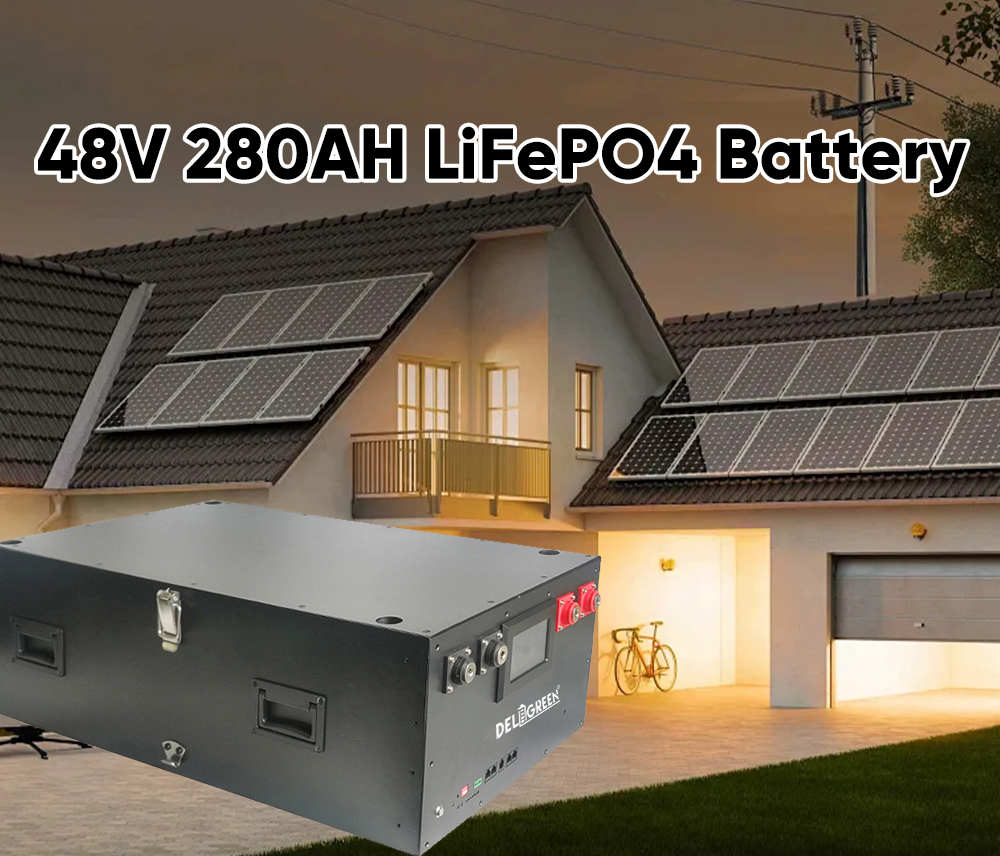
- 51.2V: Commonly used in home and commercial energy storage.
Always check that the battery voltage matches your inverter, charger, and other equipment.
Common Battery Types and Sizes
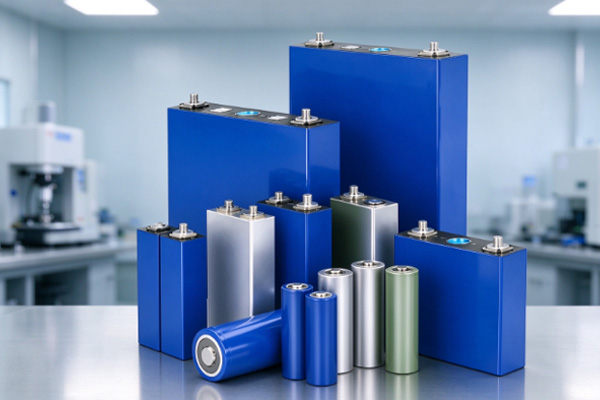
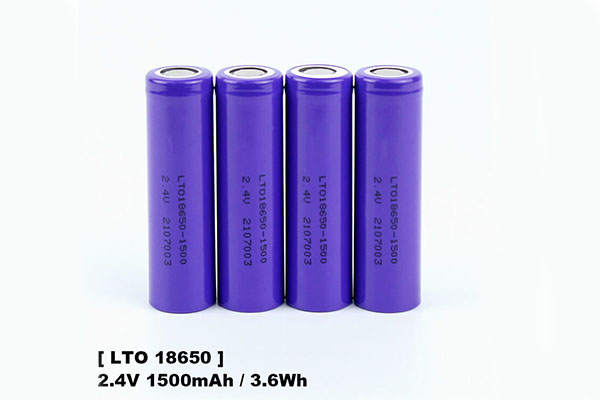
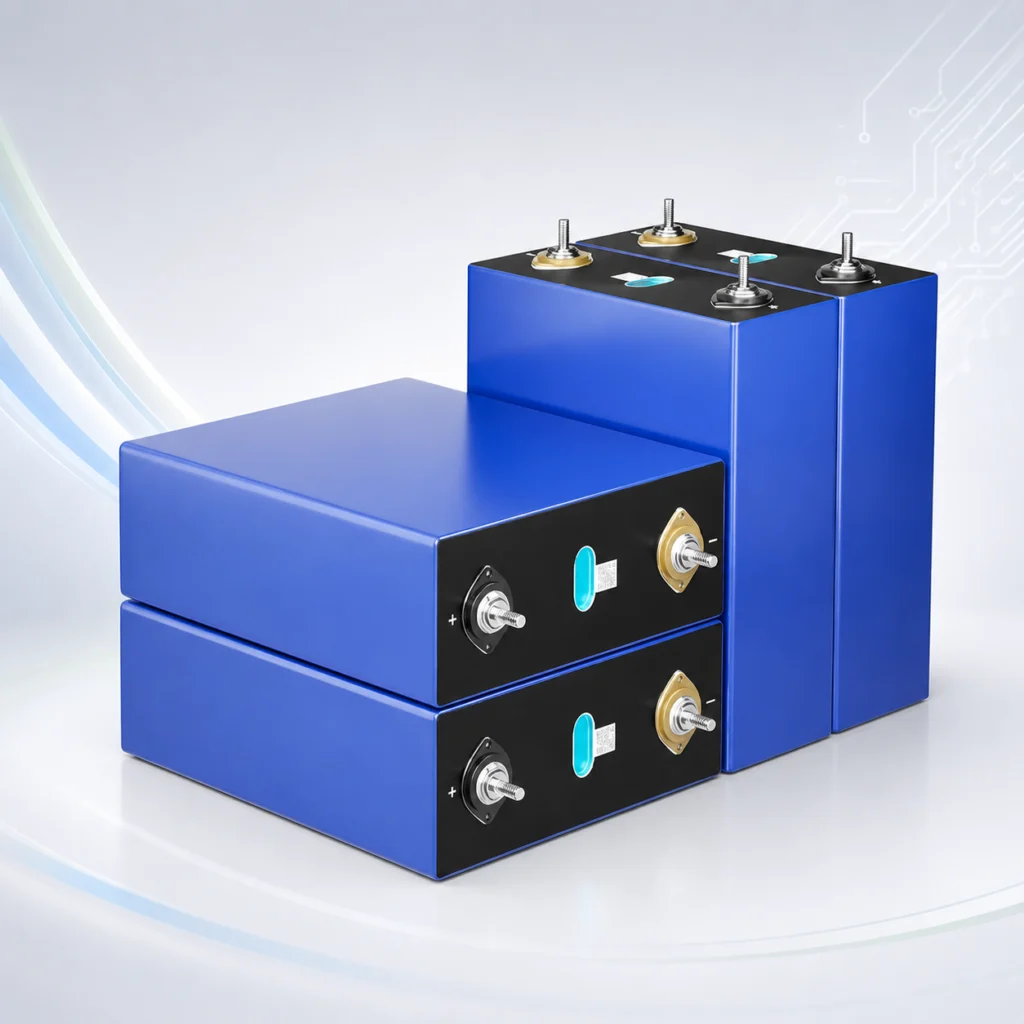
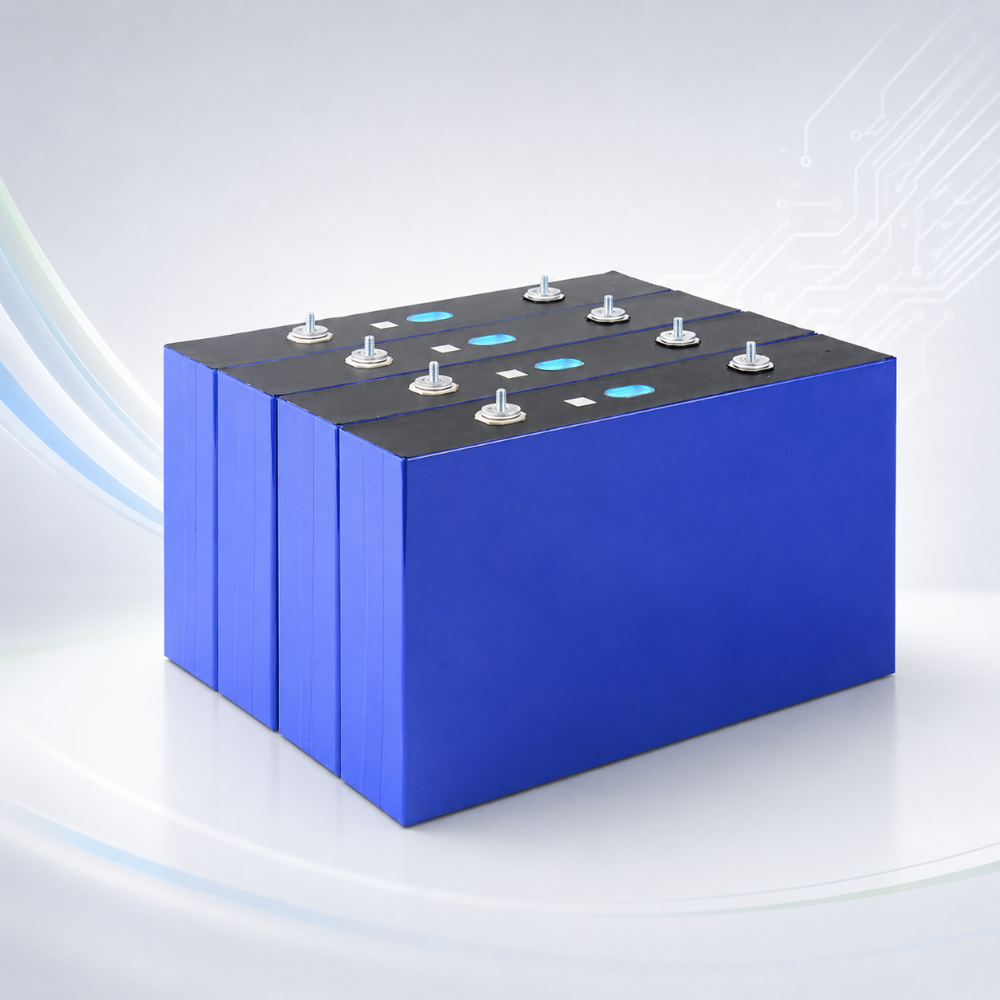
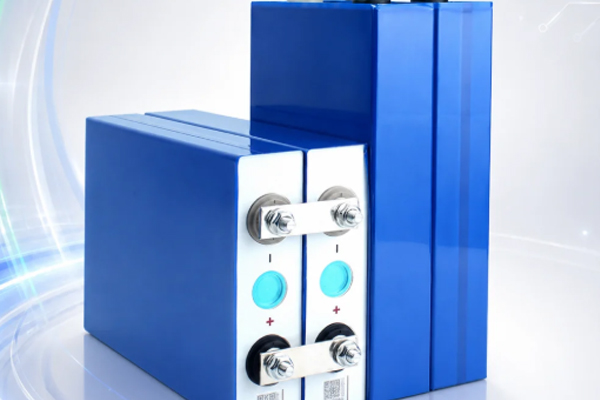
LiFePO4 batteries commonly use three cell designs: prismatic, cylindrical, and pouch cells. Prismatic cells are widely used in energy storage systems because they are easy to integrate into battery packs.
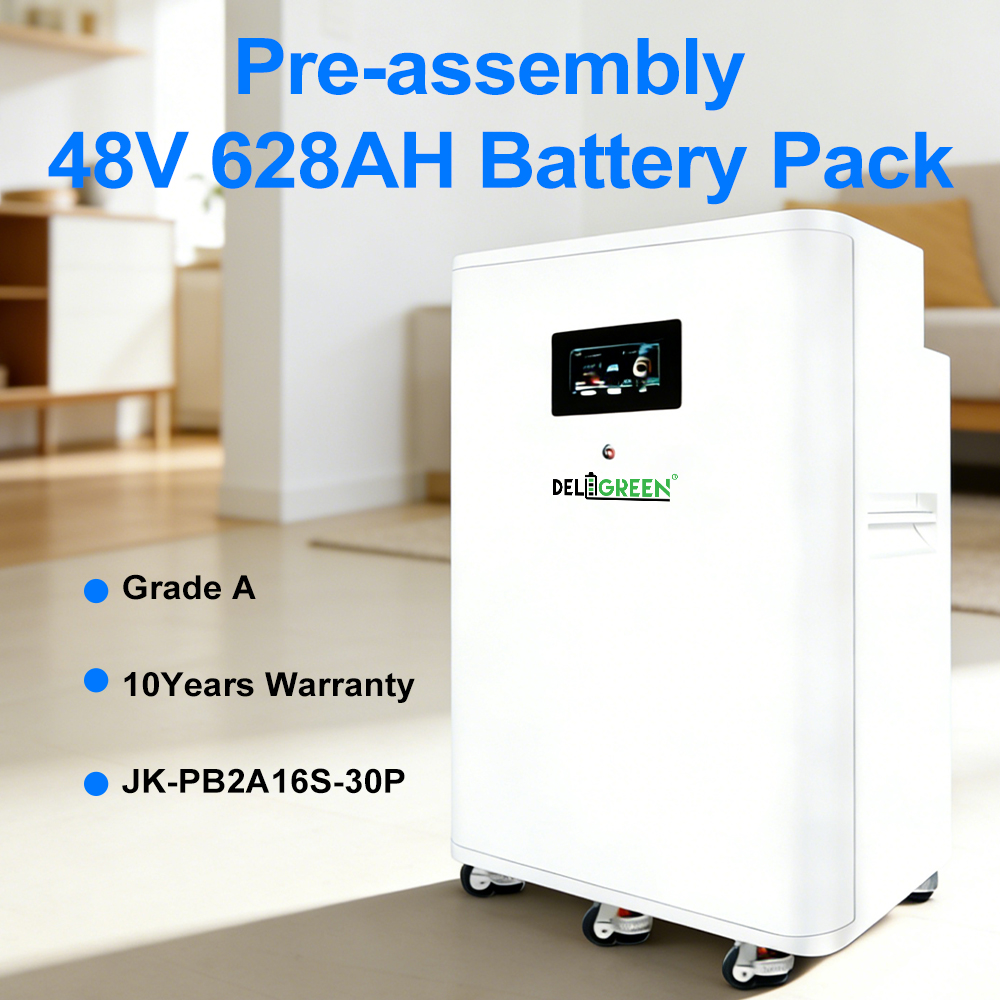
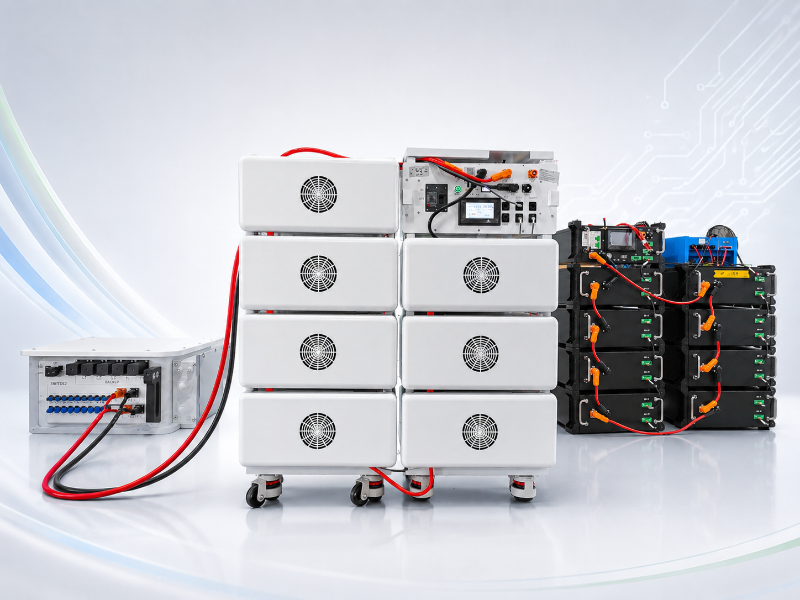
Finished battery products include wall-mounted, rack-mounted, and floor-standing models. Before purchasing, check the battery dimensions, weight, installation space, and connection terminals.
Important Specifications to Check
Besides capacity and voltage, buyers should check these key specifications:
- Charging and discharging current: Must meet equipment requirements.
- Cycle life: Indicates expected service life under specified test conditions.
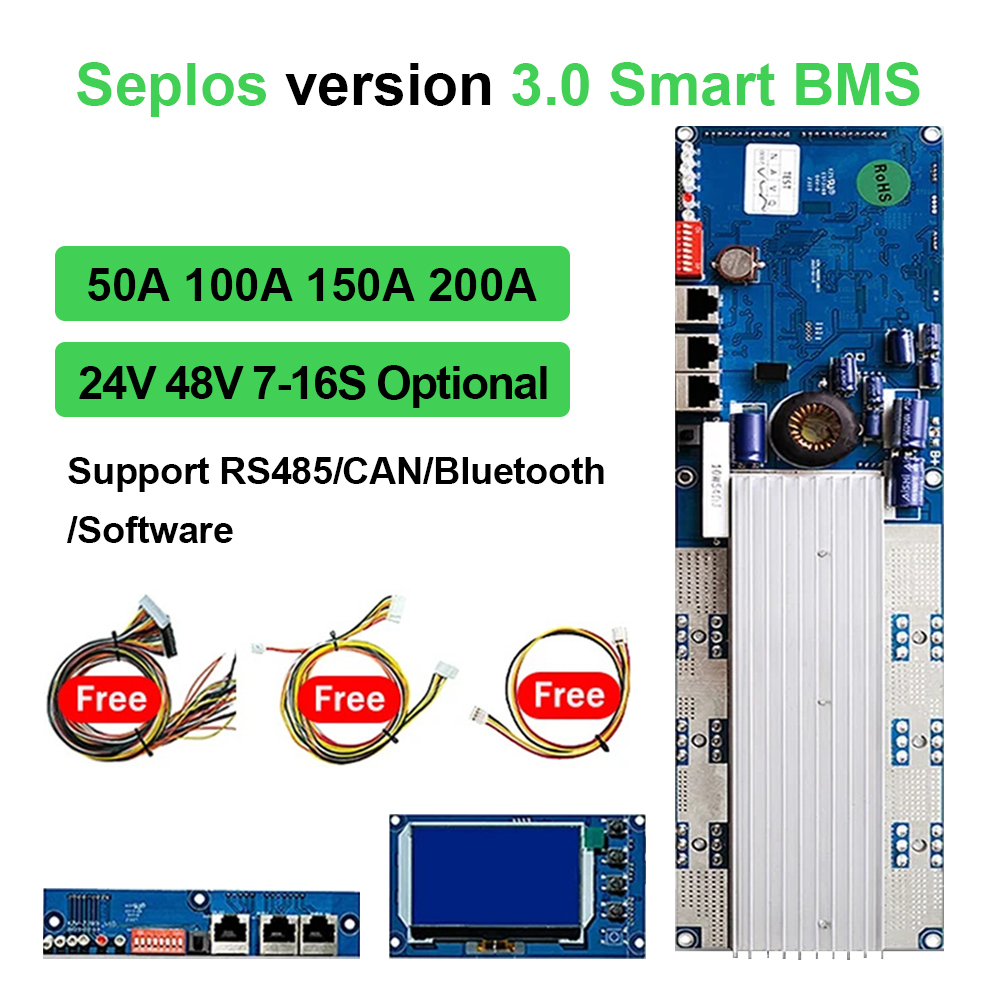
- BMS protection: Helps protect against overcharging, over-discharging, and short circuits.
- Communication: CAN or RS485 may be required for inverter compatibility.
- Operating temperature: Must suit the installation environment.
Review the manufacturer’s datasheet and warranty before purchasing.
Choosing Batteries for Different Applications
Different applications require different battery specifications.
- Home energy storage: 51.2V batteries are a common choice.
- RVs and boats: 12.8V batteries are often suitable.
- Solar systems: Choose a battery compatible with the solar charge controller.
- Commercial energy storage: Consider large-capacity batteries and system expansion needs.
- Backup power: Select capacity based on required backup time and equipment load.
LiFePO4 battery selection depends on capacity, voltage, size, protection features, and equipment compatibility. Comparing these specifications helps you find the right battery for your energy storage needs.