With the increasing use of lithium iron phosphate (LiFePO4) batteries in energy storage systems, electric vehicles, RVs, solar power equipment, and industrial applications, choosing a dedicated charger has become an important part of maintaining battery performance. Unlike ordinary lithium batteries or lead-acid batteries, LiFePO4 batteries require chargers designed according to their specific characteristics, including accurate voltage control, suitable charging current, and advanced protection functions.
LiFePO4 battery chargers use intelligent control technology to automatically adjust the charging process according to battery conditions, preventing overcharging, over-discharging, and abnormal temperature issues. High-quality chargers not only improve charging efficiency but also help batteries maintain stable cycle performance and reduce capacity degradation during long-term operation. Whether used in home energy storage systems, electric vehicles, or industrial power equipment, reliable LiFePO4 battery chargers can improve overall system performance.

LiFePO4 Battery Chargers Use Precise Charging Control Technology
One of the most important characteristics of LiFePO4 battery chargers is their dedicated charging control system. Since LiFePO4 batteries have different voltage levels, charging curves, and chemical properties compared with other battery types, they require specially designed charging methods.
High-quality chargers usually adopt the constant current and constant voltage (CC/CV) charging method. During the initial charging stage, the charger provides a stable current to quickly store energy in the battery. When the battery voltage reaches the preset value, the charger automatically reduces the output current to gradually complete the charging process.
This intelligent adjustment method helps prevent batteries from remaining at high voltage for extended periods, improving charging safety and reducing internal battery stress. For energy storage systems and electric vehicles that require frequent charging and discharging, accurate charging control helps LiFePO4 batteries maintain better cycle performance.
Common features of LiFePO4 battery chargers include:
- Precise Voltage Control:Maintains stable output voltage to meet battery charging requirements.
- Intelligent Current Adjustment:Adjusts charging speed according to battery conditions.
- Multi-Stage Charging Mode:Improves charging efficiency and reduces battery stress.
- Stable Power Output:Ensures reliable performance during long-term use.
Advanced charging control technology allows LiFePO4 batteries to receive safer and more efficient energy replenishment.
LiFePO4 Battery Chargers Provide Comprehensive Safety Protection
Safety is one of the key characteristics of LiFePO4 battery chargers. During charging, current and temperature changes may occur inside the battery. Without effective protection functions, these changes may affect system stability. Professional LiFePO4 chargers usually include multiple safety protection designs.
Common protection functions include:
- Overcharge Protection:Prevents charging voltage from exceeding safe limits.
- Overcurrent Protection:Prevents excessive charging current from affecting battery performance.
- Short Circuit Protection:Reduces safety risks caused by electrical faults.
- Temperature Protection:Adjusts charging conditions according to temperature changes.
- Reverse Polarity Protection:Prevents damage caused by incorrect battery connection.
These protection functions improve charging stability and allow LiFePO4 batteries to operate reliably in different environments. For outdoor power systems, electric vehicles, and industrial equipment, safety protection capability is an important factor when selecting a charger.
LiFePO4 Battery Chargers Offer High Efficiency and Energy-Saving Performance
Modern LiFePO4 battery chargers focus not only on charging speed but also on energy conversion efficiency. High-efficiency chargers can reduce power loss during charging and improve overall energy utilization.
Compared with traditional charging devices, intelligent LiFePO4 chargers can adjust charging strategies according to battery capacity and remaining power. When the battery is close to full capacity, the charger automatically reduces charging power to avoid unnecessary energy consumption.
Efficient charging designs usually include:
- Fast Charging Capability:Reduces charging waiting time.
- Low Energy Loss:Improves electricity conversion efficiency.
- Smart Standby Mode:Reduces unnecessary power consumption after charging is complete.
- Stable Operating Design:Supports continuous and reliable operation.
For energy storage systems and commercial applications, efficient chargers can reduce energy costs while improving overall system performance.
LiFePO4 Battery Chargers Are Suitable for Various Application Scenarios
LiFePO4 battery chargers are widely used in different industries due to their stable performance and strong adaptability. Different applications have different requirements for charging power, installation methods, and environmental protection levels, resulting in various charger designs.
Common application scenarios include:
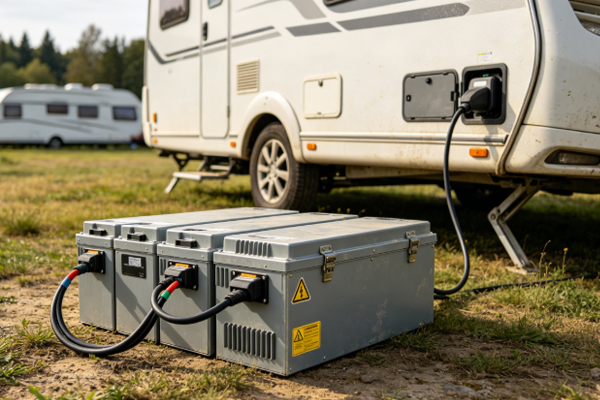
- RV Energy Storage Systems:Provides stable charging support for onboard batteries.
- Solar Energy Storage Equipment:Works with solar systems for efficient energy storage.
- Electric Vehicles:Meets daily fast and safe charging requirements.
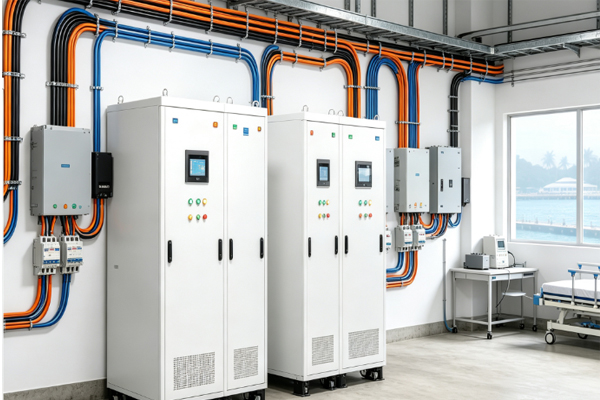
- Industrial Equipment:Supports long-term operation and reliable energy supply.
- Backup Power Systems:Ensures continuous power availability for critical equipment.
Different operating environments require different charger specifications. For example, outdoor equipment may require stronger protection performance, while industrial applications may require higher durability and continuous operation capability.
Factors to Consider When Choosing a LiFePO4 Battery Charger
Choosing the right LiFePO4 battery charger requires consideration of battery parameters, operating conditions, and equipment requirements. Different battery capacities, voltage levels, and charging frequencies can affect charger selection.
Important factors to consider include:
- Confirm Battery Voltage:Select chargers compatible with 12V, 24V, 48V, and other battery systems.
- Match Charging Current:Choose suitable output power according to battery capacity.
- Check Charging Connector:Ensure the charger matches the battery connection type.
- Consider Product Quality:Select chargers with reliable components and manufacturing processes.
- Evaluate After-Sales Support:Convenient maintenance and technical assistance improve long-term usage.
LiFePO4 battery chargers feature precise control, safety protection, high efficiency, and wide application compatibility, making them essential devices for stable battery operation. With the continuous growth of energy storage, electric vehicles, and renewable energy equipment, high-performance chargers will play an increasingly important role in improving battery lifespan, optimizing energy utilization, and enhancing charging safety.