A conversion-focused company-news article for explaining how custom battery projects begin. It is structured to turn visitors into qualified OEM/ODM inquiries.
| Category | OEM/ODM Update |
| Suggested URL Slug | /news/oem-odm-custom-battery-project-workflow-update/ |
| SEO Title | OEM/ODM Custom Battery Project Workflow Update | [Company Name] |
| Meta Description | See how [Company Name] approaches early-stage OEM/ODM battery discussions, from requirements review to configuration, branding and delivery preparation. |
| Primary Keywords | OEM battery, ODM battery, custom LiFePO4 battery, custom battery pack, battery branding |
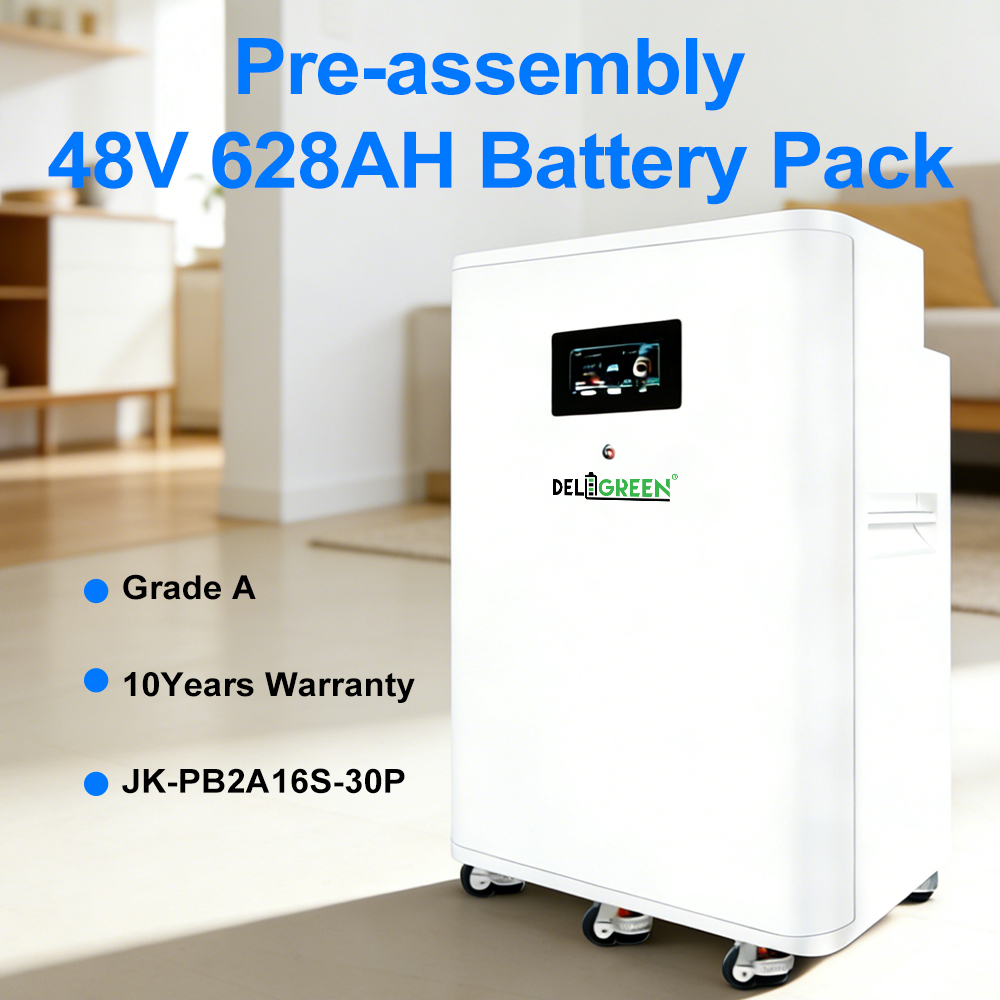
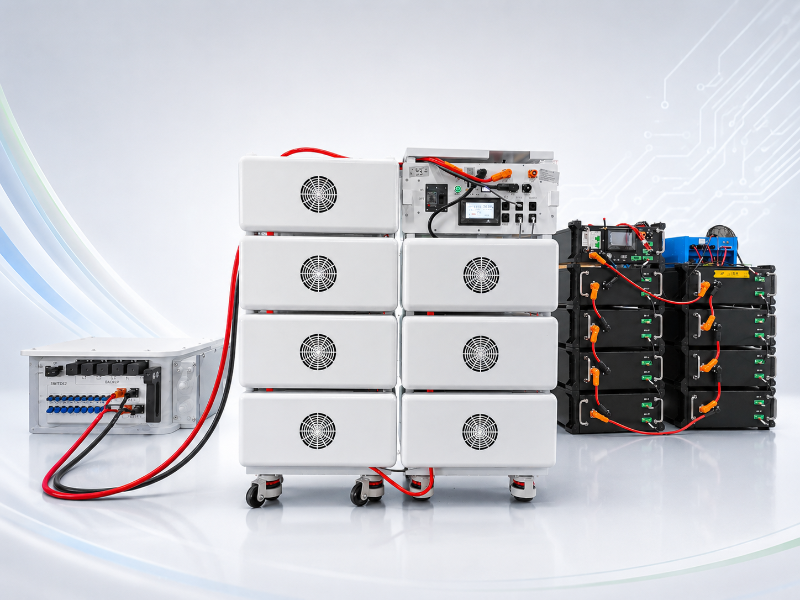
| Suggested Hero Image | Clean project-planning image with battery pack, label mockup, technical drawing or product configuration discussion. |
| Primary CTA | Start an OEM/ODM discussion with your application, target specification, quantity and branding requirements. |
Article Draft
Custom Projects Start With a Better Brief
[Company Name] has updated its OEM/ODM project-intake approach to help customers begin custom battery discussions with clearer information. The goal is not to make the first conversation complicated; it is to make sure the team understands the project direction before recommending a product route or discussing customization options.
For many buyers, a custom battery request starts with a familiar question: “Can you make a battery for this application?” The answer depends on the operating voltage, capacity, current, enclosure, BMS requirements, communication needs, target market, branding expectations, quantity and delivery plan. Capturing these points early helps everyone work from the same brief.
What Customers Can Prepare Before Contacting Us
Customers do not need to have a complete engineering package to start a discussion. A simple outline of the application, target electrical requirements, installation space, expected quantity and destination country is often enough for the first review. Photos, drawings, existing product labels or sample requirements can be added where they are available.
If the project involves integration with another system, it is useful to identify the connected equipment and any communication expectations. Compatibility should never be assumed from a general category name alone. The exact product model, protocol and system design need to be reviewed before any final conclusion is made.
Customization Areas That May Be Discussed
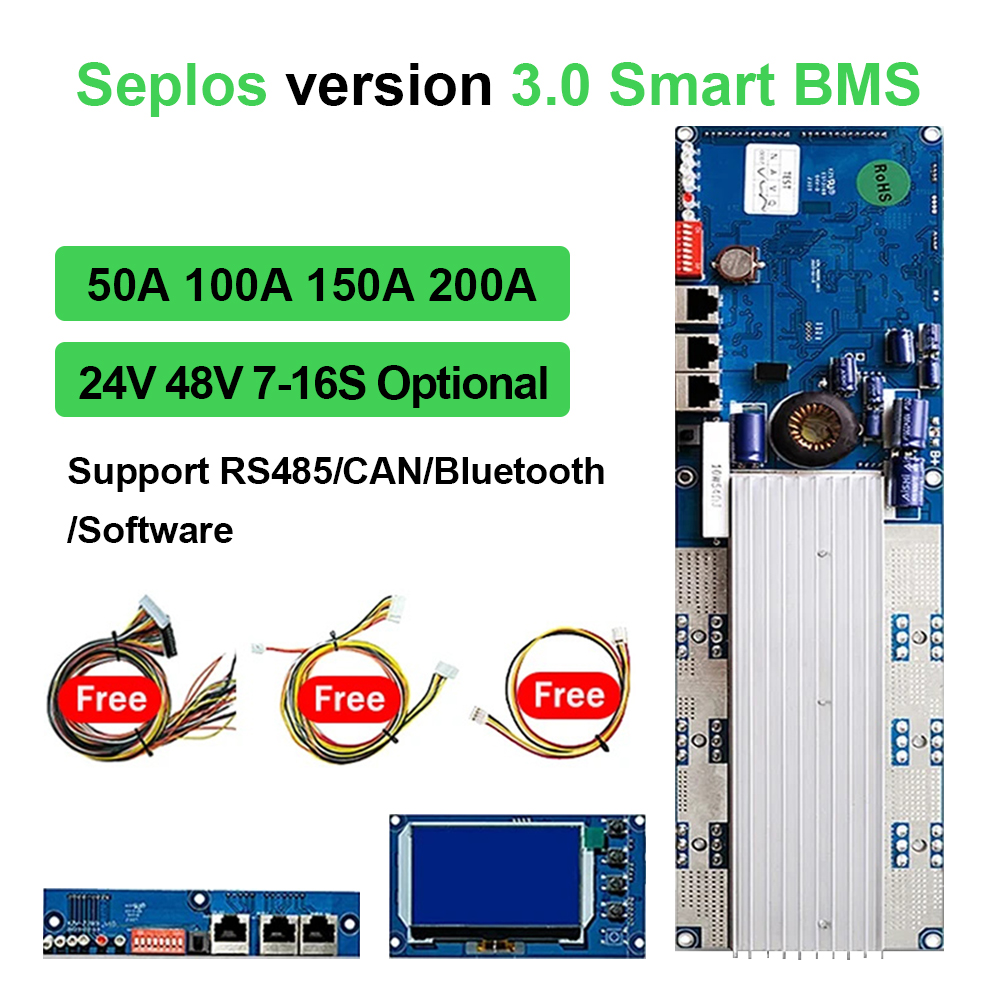
Depending on the product category and project scale, customization discussions may include voltage and capacity direction, enclosure format, BMS or communication options, connector choices, labeling, packaging and accompanying documentation. Not every option is available for every order, so the final article should be updated to reflect the actual services offered by [Company Name].
The best OEM/ODM projects are usually those with a clear application and realistic timeline. Early communication about sample needs, approvals, packaging, destination requirements and purchasing schedule can reduce later revisions and help the team identify the next practical milestone.
A Simple Project Path
The standard path can be explained in five stages: requirement review, initial configuration discussion, quotation or sample route, confirmation of applicable product details, and production or delivery planning. This simple structure reassures customers that their project has a logical starting point without making promises that depend on final technical approval.
If you are evaluating a custom battery project, contact [Company Name] with the information you have today. The team can help identify the relevant product category and the additional details needed to move the discussion forward.
Key Points for Readers
- This article is intentionally designed to generate qualified OEM/ODM leads.
- Keep the customization list aligned with your actual manufacturing, sourcing and project-management capability.
- Add a short embedded form or CTA button that pre-fills “OEM/ODM Project” as the inquiry topic.
Suggested Internal Links
- OEM/ODM → Start a Custom Battery Project
- Processing → Assembly and Quality Process
- Products → Battery Packs / DIY Battery Box / BMS
- Contact → Request OEM/ODM Consultation
FAQ
What is the difference between OEM and ODM?
The exact scope varies by project. In general, OEM may focus on customer branding or specifications, while ODM can include a broader design or product-configuration discussion. Confirm the project scope with the team.
What information is needed for a custom battery inquiry?
Share the application, target voltage and capacity, expected current, quantity, enclosure needs, branding requirements, destination and timeline.
Can you support a sample before a volume order?
Sample availability and process depend on the product category, configuration and project requirements. Discuss this during the initial review.