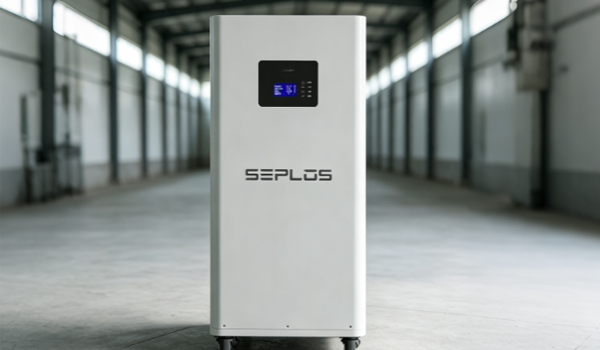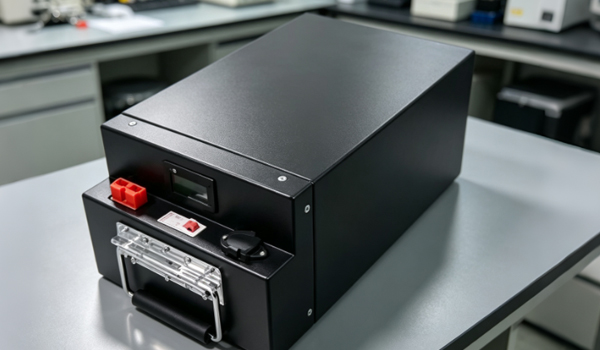
The power configuration of an electric fishing boat should not be determined solely by battery capacity and theoretical range. Actual offshore operations are also affected by hull weight, sea conditions, load, operating methods, and propulsion system efficiency. Nearshore fishing, trawling, and long periods of navigation against currents and headwinds create different power demands. The battery must also withstand humidity, salt spray, vibration, and limited installation space for extended periods. A suitable battery solution for fishing operators needs to consider continuous power output, energy replenishment efficiency, electrical safety, and marine inspection requirements as one integrated design.
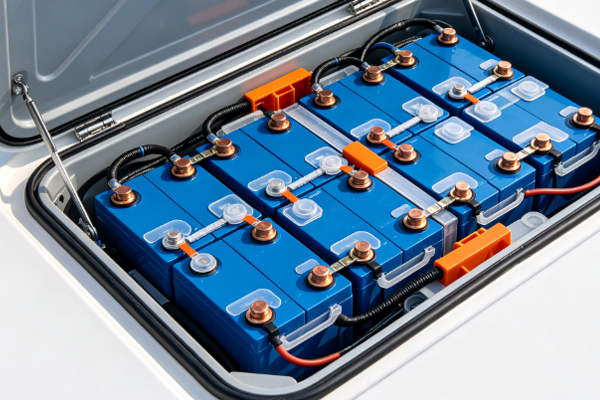
Select Cells and Battery Capacity Based on Continuous Fishing Boat Loads
Fishing boats have significant differences in power demand under different operating conditions. During trawling or navigation against currents and headwinds, the battery may need to maintain high power output for extended periods. Cell selection should focus on continuous discharge capability rather than only short-term peak power.
Cells Need to Balance Continuous Power and Cycle Life
Different operating conditions create different battery loads. The following aspects can be considered during cell selection:
- LFP cells: Offer good thermal stability and cycle performance, making them suitable for frequent offshore operations and long-term repeated use.
- High-rate LFP: Primarily improves continuous charging and discharging capability, making it suitable for high-load conditions such as trawling and navigation against currents, while also supporting certain acceleration power requirements.
- High-energy-density solutions: For vessels with limited cabin space or longer range requirements, the solution can be evaluated according to vessel weight and available installation space.
A suitable cell solution for fishing boats needs to meet requirements for continuous power, usable energy, temperature control, and cycle life at the same time.
Capacity Configuration Needs to Be Based on Real Operating Data
Battery capacity can be calculated using actual navigation and fishing data:
- Daily offshore operating time and navigation distance;
- Propulsion power under empty, full-load, and different loading conditions;
- Continuous high-load conditions such as trawling, navigation against currents, and headwinds;
- Power changes during low-speed cruising, turning, and acceleration;
- Auxiliary power consumption from refrigeration, lighting, communications, and navigation equipment.
Configuring capacity according to the complete operating cycle can prevent excessive battery weight from increasing vessel energy consumption while reserving an appropriate energy margin for return trips and unexpected sea conditions.
High-Load Operations Need to Balance Continuous Discharge and Charging Efficiency
For trawling and high-frequency fishing operations, the battery may carry a high current for extended periods, making continuous discharge capability important for stable propulsion. The charging system also needs to match the time available in port and avoid unnecessary battery degradation caused by simply pursuing higher charging rates.
Different Fishing Conditions Require Different Battery Solutions
Actual projects can be configured according to operating patterns and berthing conditions. The following options can serve as a reference during preliminary selection:
| Operating Mode | Battery Solution Focus | Energy Replenishment | Key Consideration |
| Nearshore short-distance fishing | High cycle life | Centralized charging at port | Daily turnaround |
| High-frequency offshore operations | Cycle life and rate capability | Charging between trips | Vessel utilization |
| Trawling | Continuous high-power discharge | Centralized or fast charging | Temperature rise and power stability |
| Long-distance navigation | Higher usable capacity | Extended centralized charging | Single-trip range |
Operating schedules vary significantly between vessel types, so these options should be further adjusted according to propulsion motor power, daily trips, and actual berthing time.
Continuous High-Current Operation Requires Temperature Control
Trawling is not simply a short-duration high-power pulse. It can maintain a relatively high propulsion load for a long period. Heat generated by cell internal resistance, terminal voltage drop, and cell-to-cell temperature differences all require close monitoring. The solution can establish appropriate power limits according to continuous cell rate capability, current, SOC, and temperature, while the BMS dynamically adjusts output limits. This helps reduce the impact of prolonged high-load operation on cell life and system stability.
Fast Charging Needs to Match Port Time
For fishing boats that make multiple trips per day, charging power can be selected according to actual berthing time. High-rate charging can shorten charging periods, but frequent high-current charging also increases thermal load and aging pressure. A suitable solution should evaluate charging time, cycle life, and total lifecycle cost rather than comparing rated charging rates alone.
Marine Electrical Safety Requires Enhanced Insulation Monitoring and Thermal Management
High-voltage battery systems in marine environments face requirements that differ from those of ordinary land vehicles. Humidity, salt spray, and seawater intrusion can increase the risks of insulation degradation, electrical faults, and corrosion. The battery system needs to incorporate insulation protection, insulation monitoring, thermal management, and fault alarms into the overall design.
High-Voltage Systems Need to Focus on Insulation and Leakage Monitoring
For applicable marine electrical architectures, key considerations include:
- High-voltage insulation monitoring and fault alarms;
- Insulation protection between the battery pack, high-voltage distribution system, and propulsion equipment;
- Appropriate grounding, equipotential bonding, and measures against electrochemical corrosion of the hull;
- Protection of cables, connectors, and high-voltage interfaces in humid environments.
The specific electrical distribution and insulation architecture should be determined according to the vessel type, hull material, system voltage, and applicable standards rather than directly applying conventional vehicle electrical designs.
Thermal Management Needs to Cover Continuous High-Load Conditions
Continuous high-power operation increases battery heat generation, so the thermal management system needs to be configured according to the vessel type and battery thermal load.
- Large-capacity battery packs: Liquid cooling can be considered, using cooling plates and circulation loops to remove heat from the cells.
- Low- and medium-power vessels: Air cooling and other suitable solutions can be evaluated according to the actual thermal load.
- Cold-region operations: Low-temperature heating can be added to help maintain an appropriate cell operating temperature.
- Temperature difference control: In addition to monitoring maximum temperature, temperature differences between cells should also be reduced.
A properly configured thermal management system can reduce temperature rise and performance differences caused by continuous high-load operation.
The BMS Needs to Work with the Propulsion and Alarm Systems
The BMS continuously collects voltage, current, temperature, SOC, and SOH data and manages charging and discharging limits according to battery conditions. If overtemperature, overcurrent, insulation abnormalities, or abnormal cell voltage occurs, the system can reduce power or activate protection measures according to predefined safety strategies. Effective communication between the BMS, vessel monitoring system, propulsion control, and alarm system helps identify abnormal conditions promptly.
Classification Society Requirements and Full-Vessel Validation Affect Practical Application
The power battery of an electric fishing boat requires more than laboratory performance testing. Product and vessel-level validation should also consider vessel purpose, construction methods, and applicable regulations. Current CCS battery-powered vessel requirements cover battery systems, power distribution, monitoring and alarm control, fire protection, risk assessment, mooring tests, and sea trials.
Marine Batteries Need to Meet Applicable Inspection and Certification Requirements
For projects requiring classification or relevant marine inspection, the following aspects should be confirmed in advance:
- Applicable inspection requirements for marine lithium-ion battery products;
- Environmental adaptability of the battery pack and related electrical equipment;
- Fire protection, alarm, and emergency response systems;
- Battery compartment layout, ventilation, and maintenance conditions;
- Technical requirements related to vessel design, modification, and sea trials.
The specific certification scope should be determined according to the vessel type, navigation area, purpose, and applicable project regulations.
Fire Protection and Fault Response Need to Be Integrated into the Vessel Design
Battery safety should not rely on the cells alone. A complete protection system should include:
- Fire protection and extinguishing systems for the battery compartment;
- Temperature, smoke, or other applicable condition monitoring;
- Abnormal alarms and emergency shutdown;
- Emergency ventilation and personnel operating procedures;
- Crew training, maintenance, and fault response procedures.
The fire protection design of the marine power system needs to work together with the battery compartment structure, monitoring equipment, and emergency procedures to create a complete safety chain from abnormal condition detection to personnel response.
Prototype Testing Needs to Cover Real Fishing Conditions
Before large-scale commercial operation, testing data can be collected under actual operating conditions:
- Energy consumption under empty-load and full-load conditions;
- Continuous high-load discharge during trawling;
- Navigation against currents, headwinds, and complex water conditions;
- Long-duration continuous navigation;
- Temperature rise and power changes during fast charging;
- Capacity retention and SOH after repeated cycling.
Combining battery test results with propulsion motor, hull, charging equipment, and navigation data can provide a more accurate basis for determining battery capacity, continuous power, thermal management capability, and BMS control parameters.
For fishing boat operators, battery procurement also requires consideration of supply lead time, vessel compatibility, installation and modification complexity, maintenance requirements, and compatibility with supporting equipment. A battery supplier should provide more than an individual battery pack and have the capability to coordinate electrical protection, thermal management, BMS, charging systems, and marine applications while offering configurations for different power levels and operating areas. For customers planning electrification upgrades or large-scale procurement, a mature electric boat battery solution can extend from product selection to complete system integration, providing more comprehensive technical support for project implementation and long-term operation and maintenance.