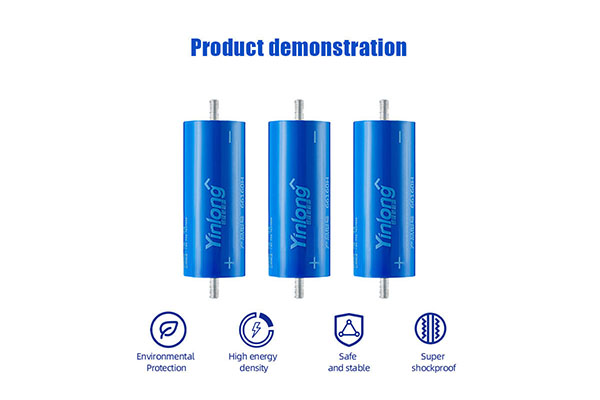
LTO batteries are a type of lithium-ion battery that uses lithium titanate as the anode material. Compared with conventional lithium-ion batteries with graphite anodes, LTO batteries offer distinct advantages in fast charging, cycle life, low-temperature performance, and operational safety. These characteristics make them attractive for industrial equipment, energy storage systems, backup power supplies, and electric transportation.
Lithium titanate anode material is a key factor behind these performance characteristics. Understanding its structure, operating principles, and technical advantages helps businesses select suitable battery solutions for their specific operating conditions.
What Is Lithium Titanate Anode Material?
Basic Structure of Lithium Titanate
Lithium titanate generally refers to spinel-structured lithium titanate, with the chemical formula Li₄Ti₅O₁₂. It has a stable crystal structure that provides pathways for lithium-ion insertion and extraction.
Compared with graphite anodes, lithium titanate undergoes relatively little volume change during charging and discharging. This helps reduce structural damage caused by repeated electrode expansion and contraction, improving the long-term stability of the battery.
The Role of Lithium Titanate in LTO Batteries
During operation, lithium ions move between the positive and negative electrodes, while electrons flow through the external circuit to generate electrical current. Lithium titanate provides a stable environment for lithium-ion insertion and extraction and, with an appropriate battery design, supports high charge and discharge rates.
However, the overall performance of an LTO battery depends on more than its anode material. The cathode material, electrolyte, electrode structure, thermal management system, and battery management system (BMS) also play important roles.
How Does Lithium Titanate Anode Material Improve Battery Performance?
Supports Fast Charging and High-Rate Discharging
Lithium titanate has a relatively high lithium-ion insertion potential, which helps reduce the risk of metallic lithium plating under normal operating conditions. Its structural and electrochemical properties support rapid charging and discharging, making LTO batteries suitable for equipment that requires frequent recharging or high power output over short periods.
For example, industrial vehicles, automated equipment, and certain electric transportation systems can benefit from properly designed LTO batteries. Faster charging can reduce waiting time and improve operational efficiency. Actual charging speeds depend on cell specifications, temperature, and the manufacturer’s recommended operating limits.
Extends Battery Cycle Life
The structural stability of anode materials affects capacity degradation during repeated charging and discharging. Lithium titanate undergoes relatively little volume change during these processes, helping maintain electrode integrity and reduce mechanical stress caused by long-term cycling.
As a result, LTO batteries generally offer long cycle life and are suitable for applications involving frequent charging and discharging over extended periods. Actual service life also depends on factors such as depth of discharge, operating temperature, charging rate, and maintenance conditions.
Improves Low-Temperature Performance
Low temperatures reduce the mobility of lithium ions in the electrolyte and increase internal electrochemical resistance. Lithium titanate battery systems offer advantages in certain low-temperature charging and discharging conditions, making them suitable for some equipment operating in cold environments.
For outdoor industrial equipment, transportation vehicles, and backup power projects, businesses should select battery models according to the minimum operating temperature, required power output, and charging conditions. Manufacturer-provided low-temperature test data should be used to verify suitability.
Enhances Operational Safety and Stability
The relatively high operating potential of lithium titanate helps reduce the risk of lithium plating at the anode. Its structural stability also supports reliable long-term operation. These characteristics can provide LTO batteries with favorable safety performance under appropriate operating conditions.
However, this does not mean that LTO batteries are completely risk-free. They still require suitable BMS protection, overcurrent and overtemperature safeguards, and installation, charging, and maintenance procedures that comply with product specifications.
How Do LTO Batteries Compare with Conventional Lithium-Ion Batteries?
Key Performance Comparison
| Comparison Factor | LTO Batteries | Conventional Graphite-Anode Lithium-Ion Batteries |
| Anode material | Lithium titanate | Typically graphite |
| Charging speed | Generally supports high charging rates | Depends on cell design and chemistry |
| Cycle life | Generally longer | Varies by chemistry and operating conditions |
| Low-temperature performance | Offers advantages under certain conditions | Depends on cell design |
| Volumetric energy density | Generally lower | Generally higher |
| Initial purchase cost | Generally higher | Available across a wider price range |
| Typical applications | Frequent cycling and fast-charging equipment | Consumer electronics, electric vehicles, energy storage, and more |
The main trade-off with LTO batteries is the balance between energy density, power capability, and service life. For projects that prioritize extended driving range or maximum energy storage within limited space, other lithium-ion battery chemistries may be more suitable. For applications that emphasize fast charging, frequent cycling, and long-term operational stability, LTO batteries are worth considering.
What Applications Are LTO Batteries Suitable For?
Industrial Equipment and Automation Systems
Forklifts, automated guided vehicles (AGVs), and other industrial equipment may require frequent charging and intensive daily operation. The fast-charging capability and long cycle life of LTO batteries can help reduce downtime and improve long-term operating costs.
Energy Storage and Backup Power
LTO batteries are a potential option for energy storage systems that require frequent charging and discharging. For uninterruptible power supply (UPS) and backup power projects, businesses should evaluate load power, backup duration, charging requirements, system efficiency, and total lifecycle costs rather than comparing initial battery prices alone.
Electric Transportation and High-Power Equipment
Some electric buses, specialized vehicles, and high-power equipment require rapid energy replenishment and stable power output. LTO batteries can be integrated into these systems according to specific application requirements. However, selection must also account for driving range, weight, available space, and cost.
How to Choose the Right LTO Battery Supplier
Verify Cell Specifications and Test Data
During procurement, businesses should carefully review rated voltage, capacity, continuous charge and discharge rates, cycle-life test conditions, operating temperature range, and safety protection features. Cycle-life claims should be evaluated alongside test temperature, depth of discharge, and capacity-retention criteria.
Evaluate Battery Pack Customization and System Integration Capabilities
For industrial, energy storage, and backup power projects, battery pack design must match the equipment’s voltage, power requirements, installation space, communication protocols, and BMS protection requirements. A supplier’s ability to provide customized battery pack designs and technical support can also affect successful project implementation.
DeliGreen specializes in battery-related products and solutions. When selecting an LTO battery, businesses can consult DeliGreen regarding product specifications, customization requirements, and technical support to ensure that the proposed battery solution matches their operating conditions.
Conclusion
Lithium titanate anode material provides LTO batteries with advantages such as fast charging, long cycle life, and operational stability through its stable crystal structure, minimal volume changes during charging and discharging, and relatively high operating potential.
Although LTO batteries generally have lower energy density than some conventional lithium-ion battery chemistries, they offer valuable benefits in applications involving frequent cycling, rapid charging, and long-term operation.
When purchasing LTO batteries, businesses should comprehensively evaluate charging and discharging rates, cycle life, operating temperature, safety design, and total lifecycle costs. This approach helps identify a battery solution that best meets their actual operational requirements.