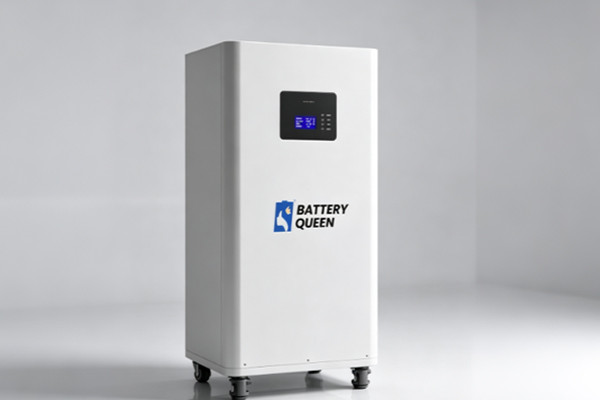
A LiFePO4 battery pack experiencing a certain degree of temperature rise during charging is generally normal. During charging, electrochemical reactions occur inside the battery, while the charger, cells, connecting tabs, and wiring also generate a certain amount of heat. Therefore, if the battery pack feels slightly warmer than the ambient temperature after or during charging, this does not necessarily mean that the battery has developed a fault. The temperature rise may be more noticeable when the battery has a low state of charge, the charging current is relatively high, or the ambient temperature is high. As long as the temperature remains within a reasonable range and the charging process is stable, there is generally no need to stop using the battery because of slight heating.
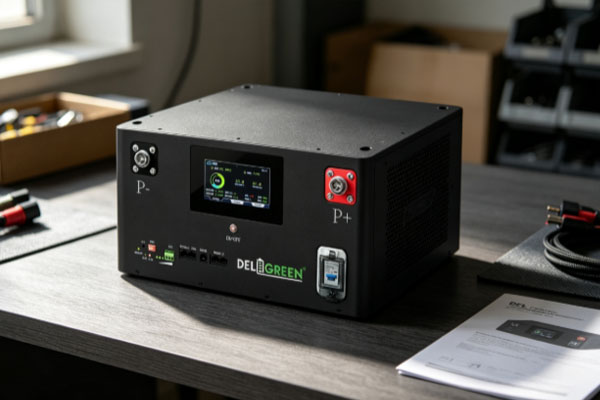
However, “normal heating” needs to be distinguished from “abnormal heating.” Although LiFePO4 batteries have relatively good thermal stability, obvious scorching heat, continuously rising temperature, localized abnormal heating, frequent charging interruptions, housing swelling, or unusual odors during charging should not simply be regarded as normal temperature rise. Possible causes of abnormal heating include mismatched charger parameters, abnormal cell conditions, BMS malfunction, poor electrical contact, and excessive ambient temperature. In particular, for large-capacity 48V LiFePO4 battery packs, attention should be paid to the overall battery temperature and the condition of each connection point during charging rather than only observing the surface of the battery housing. By selecting appropriate charging equipment, maintaining good heat dissipation conditions, and monitoring temperature changes during charging, it becomes easier to determine whether battery heating is part of normal operation or a sign of a fault.
Why Does the Temperature Rise During Charging?
Charging the Battery Naturally Generates Heat
When a LiFePO4 battery is charging, electrical energy is converted and stored inside the battery, accompanied by a certain amount of energy loss. These losses appear as heat, so a slight temperature rise during charging is relatively common. For example, when the indoor ambient temperature is low, the battery may simply feel warm after charging and have a certain temperature difference from the surrounding environment. This generally does not indicate that the battery is damaged. The larger the battery capacity and the higher the charging current, the more noticeable the heat generated during charging may be. Therefore, the presence of “battery heating” alone cannot be used to determine whether the battery is abnormal.
Observe the temperature changes during the later stages of charging
The operating condition of the battery continuously changes during charging. As the battery approaches full charge, the charger and BMS may regulate the charging process, causing the current to gradually change. Under normal conditions, the battery temperature should not continue rising rapidly. If the battery reaches a relatively high temperature during charging and then remains stable, this is generally more acceptable than a temperature that continues to rise rapidly. If the temperature becomes increasingly high with each charging cycle, or if the battery previously experienced only a slight temperature rise but now becomes noticeably hot, further inspection is necessary.
What situations warrant caution?
The Entire Battery Becomes Noticeably Hot
If the battery pack is only warm during charging, this is generally associated with normal operation. However, if the battery housing becomes noticeably hot to the touch and remains at a high temperature for a long time after charging stops, charging should be stopped and the battery should be inspected. Particularly for large-capacity battery packs, abnormally high temperatures under a normal charging current require attention to the condition of the cells, charger, and BMS.
One Area Is Significantly Hotter Than Other Areas
If the overall battery pack has a relatively uniform temperature but one terminal, connecting tab, or localized area becomes significantly hotter, this requires particular attention. Excessive localized temperature may be related to poor electrical contact, loose connections, or improperly sized wiring. Heat generated at connection points can accumulate as charging continues. If the problem is not addressed promptly, it may affect the wiring and connection components.
An Unusual Odor or Housing Change Occurs
If an unusual odor, swelling, deformation, or other abnormal condition appears during charging, normal charging should not be continued. These conditions are different from ordinary temperature rise and may indicate an internal battery problem. At this point, do not repeatedly connect and disconnect the charger to test whether the battery can continue operating. Stop using the battery and have it inspected by a professional.
Charging Frequently Stops Suddenly
If the charging process was previously stable but now frequently stops, the BMS repeatedly enters protection mode, or the charger repeatedly starts and stops, the battery temperature and cell condition should also be checked. The BMS may interrupt charging after detecting overtemperature, overvoltage, abnormal cell voltage, or other conditions. Frequent protection events cannot necessarily be resolved simply by reconnecting the charger. The specific cause triggering the protection needs to be identified.
What Should Be Considered to Reduce Charging Heat?
Choose a Charger With Matching Specifications
The charger’s parameters need to match the LiFePO4 battery pack, including charging voltage, current, and applicable battery type. A charger should not be considered suitable simply because it has the same connector. If the charging parameters do not meet the battery’s requirements, they may affect the charging process and potentially cause abnormal temperature rise. When purchasing a 48V LiFePO4 battery pack, the appropriate charging equipment should be selected according to the charging requirements provided by the battery manufacturer.
Keep the Charging Area Well Ventilated
Do not place the battery in a completely enclosed location with poor heat dissipation while charging. For example, if the battery is kept inside a sealed enclosure, a confined area inside a vehicle, or a space crowded with other objects, the generated heat may not dissipate effectively. This becomes more noticeable when the ambient temperature is high. Maintaining good air circulation around the charging area can help dissipate heat from the battery in a timely manner and make it easier to observe whether abnormal temperature rise occurs.
Frequently Asked Questions
Q: Is it normal for a LiFePO4 battery to feel slightly warm while charging?
It can generally be considered a normal temperature rise. As long as the battery temperature is not continuously increasing rapidly and there is no obvious scorching heat, unusual odor, swelling, or other abnormal condition, slight temperature rise alone does not usually indicate battery damage.
Q: Why is the battery not hot when charging begins but starts heating up later?
The charging current and battery condition change throughout the charging process, so the temperature may vary at different stages. If only a slight temperature rise occurs during the later stage and the temperature remains stable, the condition can be evaluated according to the manufacturer’s specified operating range. If the temperature continues to increase during the later stage, the charger and battery condition should be inspected.
Q: Does a 48V LiFePO4 battery heat up more during charging simply because it has a larger capacity?
This cannot be determined simply by battery capacity. Capacity is only one influencing factor. Actual temperature rise is also related to charging current, ambient temperature, cell condition, BMS operation, and heat dissipation. Batteries with the same capacity may show different temperature characteristics under different charging conditions.
Q: Is it normal for the battery to heat up during both charging and discharging?
Slight temperature rise can occur during both charging and discharging. However, if the battery reaches a high temperature during both processes, the load level, battery condition, and heat dissipation should be checked. If the heating has suddenly increased compared with previous use, the battery should be inspected promptly.
A LiFePO4 battery pack becoming slightly warm during charging is generally a normal operating condition. Energy conversion inside the battery, as well as the operation of the charger, wiring, and other components, generates a certain amount of heat. As long as the temperature changes relatively steadily and the battery shows no other abnormal conditions, there is generally no need for excessive concern. If the battery is only warm, the charging process remains stable, and the temperature gradually decreases after charging stops, this is generally consistent with normal temperature rise. However, if the battery becomes noticeably hot, develops localized abnormal heating, swells, produces an unusual odor, frequently interrupts charging, or repeatedly triggers BMS protection, it should not simply be considered normal heating. During daily use, a charger that matches the battery specifications should be selected, and the charging area should remain well ventilated to prevent the battery from being exposed to high temperatures for extended periods. For larger-capacity LiFePO4 battery packs such as 48V models, attention should also be paid to the temperature of terminals and connecting wires. If only one particular location becomes significantly hot, the electrical connection should be checked promptly. By observing the overall battery temperature, localized temperature, and temperature changes throughout the charging process, normal temperature rise can be more accurately distinguished from abnormal heating.