As energy storage systems, electric transportation, and industrial equipment continue to demand higher battery performance, Lithium Titanate batteries, commonly known as LTO batteries, are attracting increasing attention. Compared with conventional lithium batteries, LTO batteries offer notable advantages in fast charging, cycle life, low-temperature performance, and operational stability.
So, what makes Lithium Titanate batteries different? How safe are they, how long can they last, and which applications are they best suited for? This article takes a closer look at the key characteristics of LTO batteries.
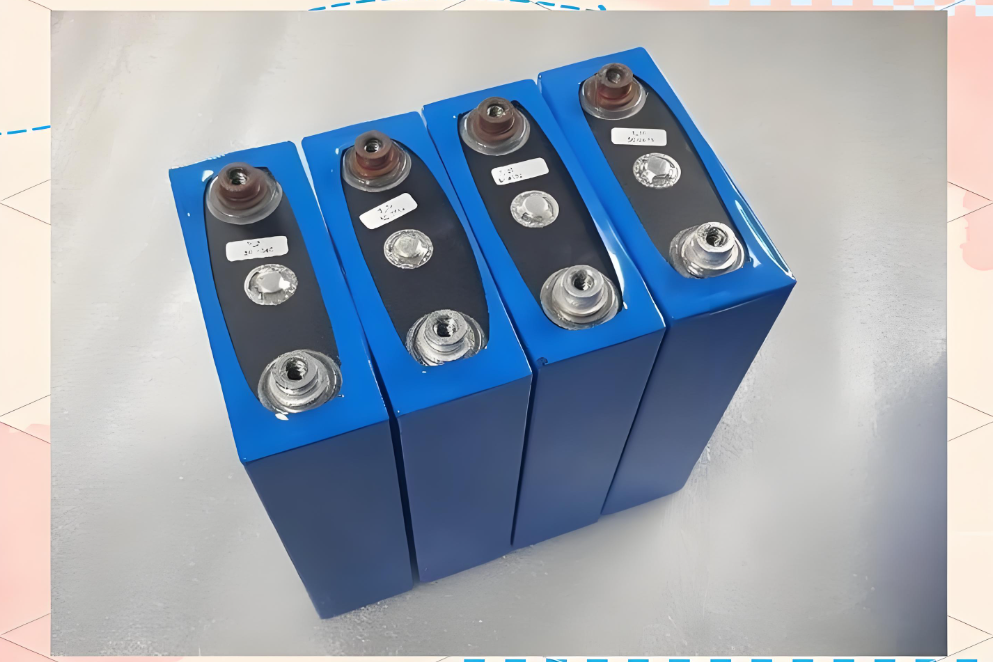
What Is a Lithium Titanate Battery?
Basic Structure of an LTO Battery
A Lithium Titanate battery is a type of lithium-ion battery that uses lithium titanate as the anode material. Unlike conventional graphite anodes, lithium titanate has a highly stable structure and undergoes relatively little structural change during repeated charging and discharging.
As a result, LTO batteries are not designed simply to maximize energy density. Instead, they focus more on fast charging, high power output, long service life, and stable operation. These characteristics make them suitable for applications that require frequent charging and discharging.
How Is LTO Different from Conventional Lithium Batteries?
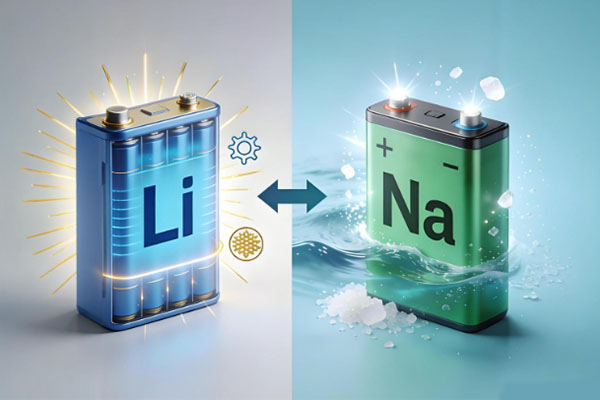
One of the biggest differences between LTO batteries and conventional lithium batteries is the anode material. Traditional lithium batteries often focus on achieving higher energy density, while LTO technology places greater emphasis on power performance, charging speed, and cycle life.
Therefore, when selecting a battery, capacity should not be the only consideration. Charging speed, operating frequency, ambient temperature, load characteristics, and Battery Management System (BMS) configuration should also be evaluated.
Safety Performance of Lithium Titanate Batteries
Excellent Thermal Stability
Safety is a critical consideration in energy storage and battery-powered equipment. Lithium titanate has a relatively stable material structure, which can help reduce certain safety risks associated with anode instability under normal operating and design conditions.
However, a high level of battery safety does not mean that battery management can be ignored. Proper charging and discharging controls, overvoltage protection, overcurrent protection, short-circuit protection, and temperature monitoring are still essential.
The Importance of the BMS
The reliability of an LTO battery system depends not only on the battery cells but also on the BMS, electrical connections, thermal management, and overall system design.
A well-designed BMS can monitor voltage, current, temperature, and cell balance, helping the battery operate within a safe and suitable range. For industrial equipment and energy storage systems, selecting a BMS that matches the battery specifications is just as important as choosing the right battery capacity.
Why Do LTO Batteries Have a Long Cycle Life?
Designed for Frequent Charging and Discharging
Long cycle life is one of the most attractive characteristics of LTO batteries. The stable structure of the lithium titanate anode allows the battery to withstand frequent charge and discharge cycles.
For equipment that needs to operate and recharge multiple times per day, a long-lasting LTO battery can reduce battery replacement frequency and potentially lower long-term maintenance costs.
Actual Service Life Depends on Operating Conditions
The actual service life of an LTO battery is not determined by the cell material alone. Charging and discharging rates, operating temperature, depth of discharge, charging strategy, cell consistency, and BMS control can all affect battery lifespan.
For this reason, buyers should check the testing conditions behind the stated cycle-life specifications rather than relying on a single advertised number.
Key Performance Characteristics of LTO Batteries
Fast Charging Capability
Fast charging is one of the most recognized advantages of LTO technology. For electric buses, industrial vehicles, AGVs, robots, and other equipment that operates frequently, shorter charging times can improve equipment utilization.
When equipment cannot remain idle for long periods, the fast-charging capability of an LTO battery can provide significant practical benefits.
Excellent Low-Temperature Performance
Low-temperature environments can present challenges for many lithium battery technologies. LTO batteries generally maintain relatively good charging and discharging performance at low temperatures, making them suitable for certain cold-weather applications.
This characteristic can be especially useful for equipment operating outdoors, industrial systems in cold regions, and applications where stable battery performance at low temperatures is important.
Strong Power Performance
Unlike batteries designed primarily around maximum energy density, LTO batteries are well suited to applications requiring rapid power delivery and frequent charge-discharge cycles.
For example, industrial equipment may require high power during startup, acceleration, lifting, or short periods of heavy loading. In these situations, the power characteristics of an LTO battery can provide an advantage.
What Applications Are LTO Batteries Suitable For?
Industrial and Automation Equipment
AGVs, AMRs, robots, and other automated equipment often operate frequently and require regular charging. The combination of fast charging and long cycle life makes LTO batteries suitable for applications where minimizing downtime is important.
In automated warehouses and manufacturing facilities, shorter charging periods can help equipment spend more time performing productive work.
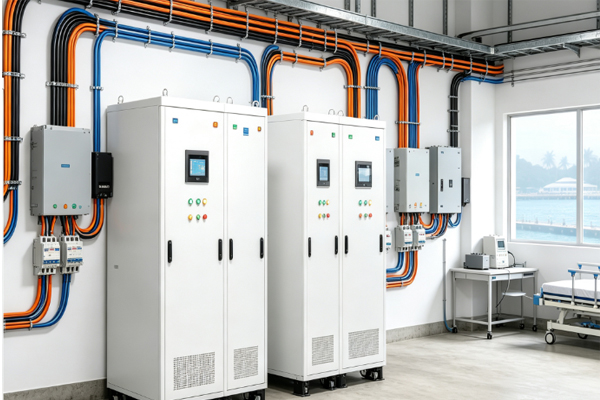
Energy Storage and Backup Power
LTO batteries can also be considered for certain energy storage applications, particularly systems that require frequent charge and discharge cycles.
They may be attractive for projects where safety, cycle life, fast charging, and low-temperature performance are more important than maximizing energy density.
What Should You Consider When Choosing an LTO Battery?
Don’t Focus Only on Capacity
When purchasing an LTO battery, capacity in Ah is only one specification to consider. Other important parameters include nominal voltage, maximum continuous charging and discharging current, peak power, cycle life, operating temperature range, and BMS configuration.
These specifications should match the actual requirements of the application.
Choose According to the Application
No single battery technology is ideal for every application. If a project primarily requires high energy density and low initial cost, another lithium battery technology may be more appropriate.
However, if the application requires fast charging, frequent cycling, long service life, or good low-temperature performance, LTO batteries are worth considering.
Lithium Titanate batteries are not a universal solution for every battery application, but their combination of fast charging, long cycle life, stable operation, safety characteristics, and low-temperature performance gives them clear advantages in specific markets.
For industrial automation, specialized energy storage, electric transportation, and other applications requiring frequent charging and discharging, LTO technology can provide significant practical value.
When selecting an LTO battery, it is important to evaluate the battery cells, BMS, charging and discharging requirements, operating temperature, and overall system design together. For projects requiring customized voltage, capacity, BMS communication, enclosure design, or other specifications, an OEM/ODM battery solution can also provide a more suitable option.