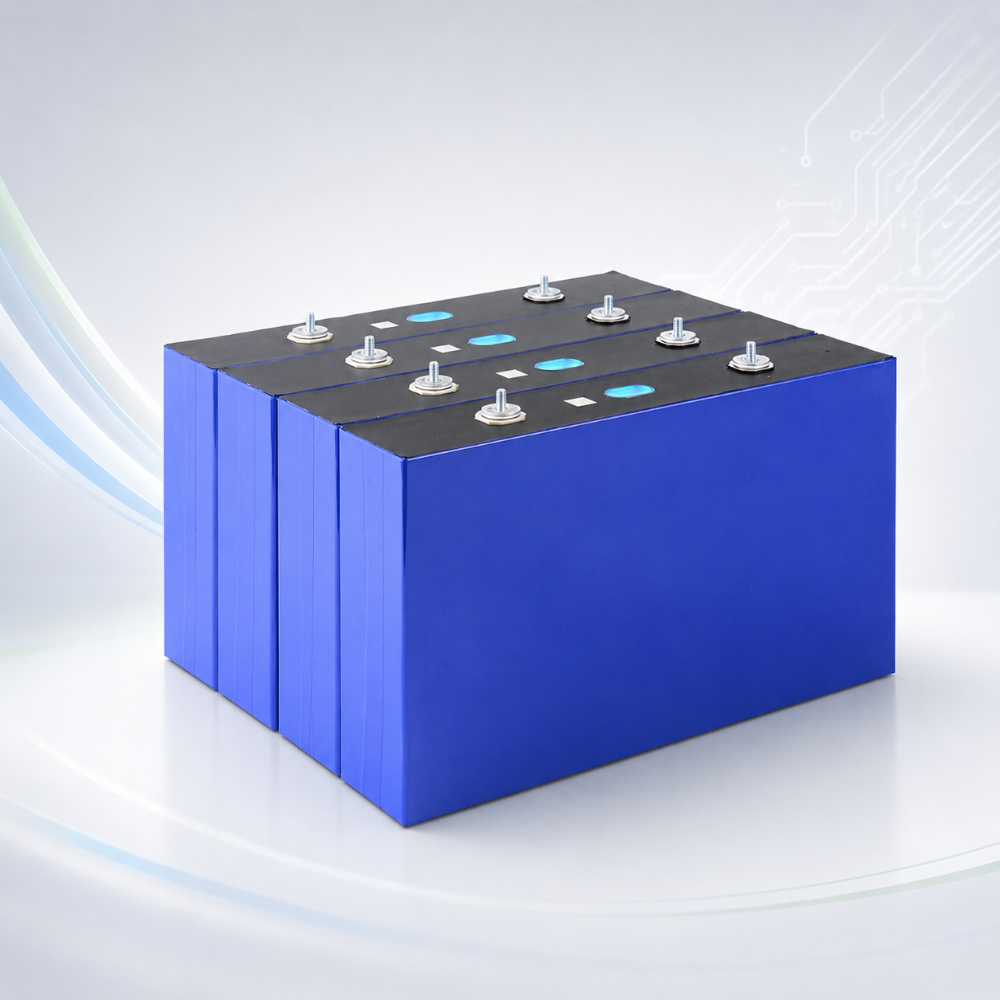
With the increasing popularity of solar energy storage, RV power systems, electric vehicles, and outdoor equipment, deep cycle lithium batteries have become an important energy component in many long-term power supply devices. Compared with ordinary batteries, deep cycle lithium batteries are more suitable for frequent charging and discharging. However, during long-term use, they may also experience performance issues such as reduced capacity, shorter runtime, abnormal charging, and unstable output. A decline in deep cycle lithium battery performance does not necessarily mean that the battery is completely damaged. In many cases, the problem may be caused by incorrect charging methods, long-term over-discharge, abnormal temperature conditions, battery management system failures, or extended usage time. By checking battery status, adjusting usage methods, and performing proper maintenance, some performance issues can be improved. When repairing deep cycle lithium battery performance problems, different solutions need to be applied according to the specific situation.

What Are the Common Performance Problems of Deep Cycle Lithium Batteries?
During long-term operation, deep cycle lithium batteries are affected by factors such as usage frequency, charging methods, environmental temperature, and equipment load. When users find that the battery cannot provide the same operating time as before, it usually indicates that battery performance has changed. Different problems show different symptoms. Therefore, before repairing the battery, it is necessary to first determine whether the issue is capacity reduction, abnormal charging, or insufficient output capability.
Reduced Battery Capacity and Shorter Operating Time
The most common problem with deep cycle lithium batteries is capacity reduction. Users may find that equipment that originally operated for one full day can now only run for several hours, or the battery level decreases much faster than before. This situation is usually related to long-term cycling usage and may also be caused by frequent deep discharge, which reduces cell performance. Although deep cycle lithium batteries are designed for deep discharge applications, operating near the limit for extended periods can still affect battery lifespan.
- Reduced stored energy capacity.
- Shorter equipment operating time.
- Reduced usage duration after full charging.
- Battery level display may become inaccurate.
When this situation occurs, users can first check the actual battery capacity and use professional testing equipment to confirm the remaining capacity before deciding whether maintenance or replacement is required.
Abnormal Battery Charging Speed
Some deep cycle lithium batteries may experience significantly slower charging speeds or fail to reach full charge after being used for a period of time. This situation may be related to the charger, battery management system, or internal battery condition. If the charging equipment parameters do not match, such as insufficient charging voltage or unstable current, the battery may also fail to charge properly.
- Charging time becomes significantly longer.
- The battery cannot reach a full charge state after a long time.
- Charging stops prematurely.
- Abnormal increase in battery temperature.
When charging abnormalities occur, users need to check whether the charging equipment meets battery requirements and confirm whether the BMS is operating normally.
Reduced Battery Output Power
In addition to storing energy, deep cycle lithium batteries also need to provide stable power output. If internal resistance increases, the battery’s output capability may decrease. Users may notice that equipment has difficulty starting or that high-power devices are more likely to shut down during operation.
- High-load equipment cannot operate normally.
- Output voltage drops significantly.
- The battery easily triggers protection functions.
- Sudden power interruption during operation.
This type of problem usually requires checking the battery health condition and determining whether cell aging has occurred.
Methods for Fixing Deep Cycle Lithium Battery Performance Problems
After deep cycle lithium battery performance declines, not every situation requires immediate replacement. Some minor problems can be improved through proper maintenance and adjustments to usage methods. When dealing with battery issues, appropriate solutions should be selected based on the symptoms to avoid further reducing battery lifespan due to incorrect operations.
Recalibrate the Battery Management System
Many deep cycle lithium batteries are equipped with a BMS (Battery Management System), which is used to monitor voltage, current, battery capacity, and temperature. If BMS data becomes inaccurate, it may cause incorrect battery level readings. For example, the battery may still have considerable remaining capacity, but the system shows that it is empty, or charging may stop before the battery is actually full. This may indicate that battery data needs recalibration.
- Complete a proper charge and discharge cycle.
- Check battery level display accuracy.
- Update or adjust BMS parameters.
- Confirm whether cell voltages are balanced.
Through recalibration, the system can better evaluate battery status and improve the user experience.
Check and Improve Charging Methods
Proper charging is an important way to maintain the performance of deep cycle lithium batteries. If an incompatible charger is used for a long time, it may cause battery capacity reduction or frequent activation of the protection system. Users should use charging equipment that matches the battery specifications and avoid long-term overcharging.
- Use a charger with the correct voltage.
- Avoid frequent charging interruptions caused by abnormal conditions.
- Do not use unstable or low-quality charging equipment.
- Adjust charging methods according to the environment.
For example, lithium iron phosphate (LiFePO₄) deep cycle batteries require specific charging parameters and should not be charged with equipment designed for other battery types.
Check the Cell Balance Condition
Deep cycle lithium batteries are usually composed of multiple battery cells connected together. If the voltage difference between individual cells becomes too large, it can affect overall battery performance. Cell imbalance may cause some capacity to become unavailable and increase the probability of triggering battery protection functions.
- Check the voltage of individual battery cells.
- Use professional equipment for cell balancing.
- Avoid long-term operation at low battery levels.
- Regularly test battery conditions.
Maintaining balance between battery cells helps improve the overall output capability of the battery.
Maintenance Precautions for Deep Cycle Lithium Battery Performance
After solving battery performance problems, proper maintenance is equally important. If daily usage methods are not appropriate, even a repaired battery may experience performance decline again. Good usage habits can reduce battery degradation, increase cycle times, and help deep cycle lithium batteries maintain a more stable operating condition.
Avoid Long-Term Over-Discharge
Although deep cycle lithium batteries support deep discharge, it is not recommended to frequently use the battery until it reaches an extremely low power level. Repeated over-discharge increases stress on battery cells and accelerates capacity degradation.
- Maintain a reasonable remaining battery level.
- Avoid storing the battery at a low charge level for a long time.
- Recharge the battery in time.
For example, if an energy storage system remains at a low charge level for a long period, battery performance may decline. Therefore, charge and discharge cycles should be arranged properly.
Control Operating Temperature
Temperature has a significant impact on lithium battery performance. Both excessively high and low temperatures can affect charging and discharging efficiency. High temperatures may accelerate battery aging, while low temperatures may reduce discharge capability.
- Avoid long-term operation in high-temperature environments.
- Prevent battery exposure to cold conditions.
- Maintain good heat dissipation conditions.
For batteries installed in RVs or outdoor equipment, attention should be paid to installation locations to avoid direct sunlight or overheating in enclosed spaces.
Regularly Check Battery Condition
Regular inspections can help users identify problems early and prevent serious battery damage. Inspection items include voltage, current, temperature, and physical appearance.
- Check whether the battery has swelling issues.
- Inspect connection cables and wiring.
- Observe charging and discharging conditions.
- Record changes during usage.
Through regular inspections, abnormal situations can be discovered in time, improving battery usage safety.
Frequently Asked Questions
Can reduced capacity of deep cycle lithium batteries be repaired?
Answer: Minor capacity reduction can be improved through BMS recalibration, better charging methods, and cell balancing. If the battery cells are severely aged, some components may need to be replaced.
What should I do if a deep cycle lithium battery cannot be fully charged?
Answer: Check the charger parameters, battery management system, and cell condition to determine whether there are issues such as incompatible charging equipment or cell imbalance.
What causes shorter battery operating time?
Answer: Common causes include increased cycle count, long-term over-discharge, abnormal environmental temperature, and natural battery capacity reduction.
Do deep cycle lithium batteries require regular maintenance?
Answer: Yes. Although lithium batteries have lower maintenance costs, regularly checking voltage, temperature, and charging/discharging conditions can help extend service life.
During long-term use, deep cycle lithium batteries may commonly experience problems such as reduced capacity, abnormal charging, and decreased output capability. When facing these issues, users should first determine the cause of the failure and then apply appropriate solutions.
For minor performance degradation, improvements can be achieved by adjusting charging methods, recalibrating the BMS, balancing battery cells, and improving the operating environment. If the battery experiences severe aging, damaged cells, or safety issues, professional inspection and repair are required. During daily use, avoiding long-term over-discharge, controlling operating temperature, using compatible charging equipment, and regularly checking battery conditions are all important methods for maintaining deep cycle lithium battery performance. Proper maintenance and reasonable usage can help deep cycle lithium batteries maintain more stable operating conditions while reducing unnecessary replacement costs.