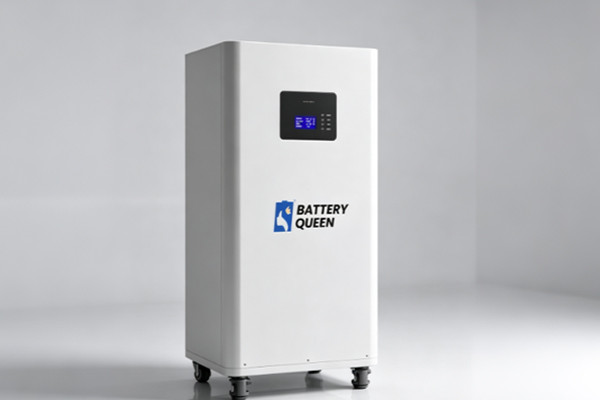
With the development of energy storage power supplies, electric vehicles, power tools, and outdoor energy equipment, LiFePO₄ battery cells have been increasingly adopted by users due to their high safety, long cycle life, and excellent stability. When purchasing LiFePO₄ battery packs, many people notice the difference between “A-grade cells” and “B-grade cells” in the market. Although both may come from the same manufacturer, they have certain differences in production inspection, performance parameters, consistency, and service life.
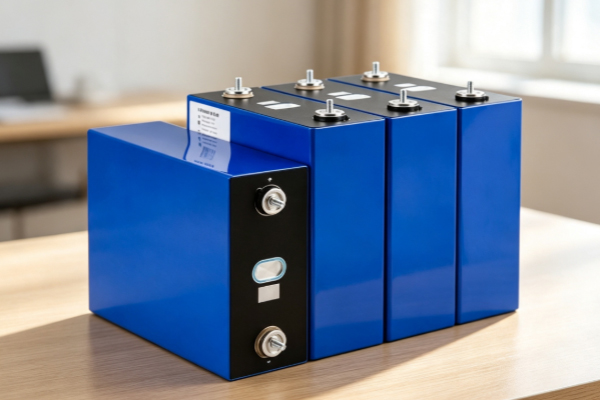
A-grade LiFePO₄ battery cells generally refer to new cells that have passed complete quality inspections by manufacturers and meet design standards, while B-grade cells usually refer to cells whose performance parameters do not fully meet A-grade requirements during the production process but still have certain application value. Correctly distinguishing between A-grade and B-grade cells can help users avoid purchasing products with insufficient performance, shorter battery life, or higher safety risks.
Basic Differences Between A-Grade and B-Grade LiFePO₄ Battery Cells
A-Grade Cells Meet Complete Production Standards
A-grade LiFePO₄ battery cells are products selected through multiple inspection processes specified by manufacturers after production. These cells usually undergo various tests, including capacity testing, voltage testing, internal resistance testing, and appearance inspection. Only cells that meet the specified data range can be sold as A-grade products. A-grade cells are generally used in battery products that require high stability. Since these devices need to operate for long periods, large differences between individual cells can easily affect the overall performance of the battery pack.
- A-grade cells usually have a complete appearance without obvious scratches, dents, or manufacturing defects.
- The cell capacity is generally consistent with the rated parameters, providing more stable actual discharge performance.
- Cells from the same batch have higher consistency and are more suitable for battery pack assembly.
Because A-grade cells undergo complete inspection processes, they demonstrate more stable performance during long-term use. For devices requiring frequent charging and discharging, A-grade cells can reduce performance degradation speed and improve the reliability of the entire battery system.
B-Grade Cells May Have Performance Deviations
B-grade LiFePO₄ battery cells do not necessarily mean defective products. They are usually cells that do not fully meet A-grade standards during production inspection. These cells may only have slight deviations in certain parameters, such as slightly lower capacity, slightly higher internal resistance, or minor appearance issues. Many B-grade cells still have certain usage value, so lower-priced B-grade battery products also exist in the market. However, because the consistency between B-grade cells may not be as good as A-grade cells, they need to be selected according to actual application requirements.
- B-grade cells may come from products screened out during the production process.
- Some parameters may be lower than the manufacturer’s design standards.
- Performance differences between different batches may be more noticeable.
If B-grade cells undergo professional testing and capacity grouping, they can also be used in devices with lower requirements. However, for products requiring long-term operation, high loads, and high safety standards, A-grade cells with more stable performance are usually recommended.
Methods to Identify A-Grade and B-Grade LiFePO₄ Battery Cells
Check Cell Appearance and Production Information
When purchasing LiFePO₄ battery cells, appearance inspection is one of the simplest judgment methods. Although appearance cannot completely determine the cell grade, it can help users initially understand the product condition. A-grade cells produced by reliable manufacturers usually have complete product labels and production information. During purchase, users can check the cell model, capacity, voltage, production date, and manufacturer information, which can help determine whether the cell comes from a reliable source.
- The cell surface packaging is usually complete, without obvious swelling, deformation, damage, or serious scratches. Good appearance conditions indicate that the cell has been properly protected during transportation and storage.
- Label information is clear and production batches can be traced. Reliable manufacturers usually provide relevant inspection data, allowing customers to understand cell performance.
- Reliable suppliers can usually provide capacity test reports, factory inspection data, and product certification documents.
Some B-grade cells may have unclear labels, incomplete information, or minor appearance damage. Therefore, when purchasing, users should not only focus on price but also pay attention to cell sources and inspection documents.
Test Whether Capacity Meets Standards
Capacity testing is one of the important methods for judging LiFePO₄ battery cell grades. Many users only pay attention to rated capacity when purchasing cells but ignore whether the actual capacity meets the standard. The actual tested capacity of A-grade cells is usually close to the data marked by manufacturers. Capacity directly affects battery endurance and operating time, so testing actual capacity can provide a more accurate evaluation of cell performance.
- Use professional charging and discharging equipment to perform complete cycle tests on cells.
- Check whether the actual discharge capacity reaches the rated value.
- Compare capacity differences between multiple cells.
If multiple cells have small capacity differences, it indicates better consistency and makes them more suitable for battery pack assembly. If some cells have significantly lower capacity, even if their appearance looks normal, they may belong to B-grade or screened-grade products.
Test Cell Internal Resistance Changes
Internal resistance is one of the important parameters for evaluating cell performance and is also an important reference for distinguishing A-grade and B-grade cells. The more stable the internal resistance, the easier it is to control heat generation during charging and discharging, resulting in more stable battery operation. Changes in LiFePO₄ battery cell internal resistance can reflect the condition of internal materials and production consistency.
- Cells with lower and more stable internal resistance perform better during high-current discharge.
- If certain cells in the same battery pack have significantly higher internal resistance, the performance of the entire battery pack will be affected.
- Internal resistance testing requires professional instruments and cannot be judged through simple measurements alone.
By combining capacity testing and internal resistance testing, it is possible to more accurately determine whether cells meet A-grade standards. It also helps battery manufacturers perform reasonable grouping and improve overall battery pack performance.
Why Do Battery Manufacturers Prefer A-Grade LiFePO₄ Cells?
A-Grade Cells Improve Battery Pack Consistency
LiFePO₄ battery packs are usually not composed of a single cell but are formed by combining multiple cells through series or parallel connections. If there are significant differences between individual cells, the battery pack may experience unstable operation. Therefore, manufacturers pay special attention to cell consistency when producing battery packs, and A-grade cells are usually easier to meet this requirement.
- A-grade cells have smaller capacity differences, allowing the battery pack to provide more stable output.
- Charging and discharging processes are more synchronized, reducing situations where some cells reach full charge or low voltage states earlier.
- The BMS battery management system can perform more precise control and improve usage safety.
For example, a 48V energy storage battery pack requires multiple cells to be combined. If some cells have lower capacity, the entire battery pack capacity may decrease after long-term cycling. Therefore, selecting A-grade cells with better consistency can improve the stability of the entire battery system.
A-Grade Cells Provide More Stable Long-Term Performance
The longer a battery is used, the more obvious the differences caused by cell quality become. A-grade LiFePO₄ cells undergo strict screening and usually maintain better capacity performance during long-term cycling.
- After long periods of charging and discharging, A-grade cells experience slower capacity degradation.
- During high-load operation, cell temperature changes are easier to control.
- The probability of abnormal situations during use is relatively lower.
Stable cells can not only improve user experience but also reduce later maintenance and battery replacement costs.
Frequently Asked Questions
Can B-Grade LiFePO₄ Battery Cells Be Used?
B-grade LiFePO₄ battery cells are not completely unusable. It is necessary to understand the specific issues of the cells and the requirements of the application environment. Some B-grade cells may only have slightly lower capacity or minor appearance issues. After professional testing and proper matching, they can still meet the needs of certain devices.
How to Avoid Purchasing Fake A-Grade Cells?
Some sellers in the market may label B-grade cells, used cells, or repackaged products as A-grade products. Therefore, consumers need to improve their ability to identify cell quality. When purchasing, users should not only check product names but also understand the actual testing conditions of the cells.
- Choose suppliers with formal production qualifications.
- Check cell capacity test data.
- Understand production batches and sources.
- Avoid products priced significantly below market levels.
True A-grade cells usually have stable production costs. If the price difference is too large, special attention should be paid to product authenticity.
The biggest differences between A-grade and B-grade LiFePO₄ battery cells lie in production inspection standards, performance consistency, and long-term usage performance. A-grade cells undergo strict manufacturer screening and have parameters that better meet design requirements, providing more stable performance in capacity, voltage, internal resistance, and cycle life. Although some B-grade cells still have application value, they may have problems such as insufficient capacity, performance fluctuations, or poor consistency.
When selecting LiFePO₄ battery cells, users should not judge the grade only by appearance. A comprehensive evaluation should include capacity testing, internal resistance measurement, production batches, and supplier qualifications. Choosing stable and reliable A-grade cells can not only improve battery operating efficiency but also reduce future maintenance and replacement costs, allowing battery equipment to maintain a more stable operating condition.