
As industrial automation, electric transportation, and energy storage continue to develop, lithium titanate batteries are attracting increasing attention from business buyers due to their fast-charging capabilities, long cycle life, and good low-temperature performance. However, suppliers differ in cell quality, battery management systems, customization capabilities, and after-sales support. Choosing a reliable LTO battery supplier directly affects equipment efficiency, project costs, and long-term operational performance.
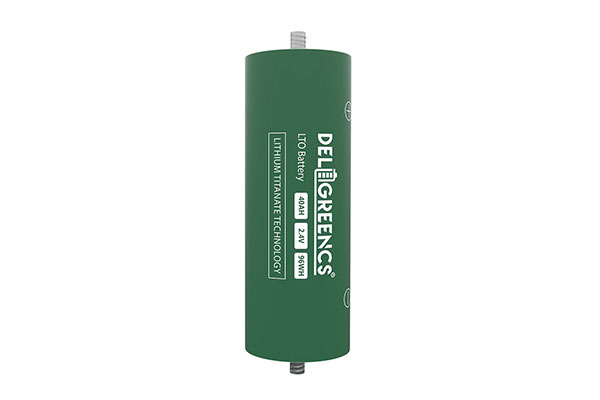
Key Factors to Consider When Choosing an LTO Battery Supplier
Battery Performance and Quality Consistency
When purchasing LTO batteries, businesses should carefully evaluate rated voltage, capacity, charge and discharge rates, cycle life, and operating temperature range. Technical specifications should match actual load requirements and operating conditions. Purchasing decisions should not rely solely on peak performance figures advertised by suppliers.
Buyers should also request cell inspection reports, factory testing records, and relevant quality documentation. Understanding the supplier’s cell screening, matching, and finished-product testing procedures can help assess product consistency and reliability.
Battery Management System (BMS)
The battery management system (BMS) is essential for battery safety and operational stability. Buyers should confirm whether the system provides overcharge, over-discharge, overcurrent, and abnormal temperature protection, as well as voltage, current, and temperature monitoring.
For industrial equipment and energy storage projects, it is also important to verify whether the BMS supports communication with existing control systems. This helps prevent compatibility issues between the battery and the application equipment.
Customization and Technical Support Capabilities
Different applications have different requirements for battery dimensions, capacity, voltage, connections, and enclosure design. Suppliers offering OEM/ODM services can provide customized battery pack designs, BMS configurations, and enclosure solutions based on project requirements.
Before purchasing, businesses should provide detailed application parameters and confirm whether the supplier offers technical selection assistance, installation guidance, and ongoing troubleshooting support.
Common Issues to Avoid When Purchasing LTO Batteries
Do Not Compare Suppliers Based on Price Alone
A lower-priced battery does not necessarily offer a lower long-term operating cost. Buyers should also consider charging efficiency, maintenance expenses, replacement frequency, equipment downtime, and transportation costs.
For equipment requiring frequent charging and discharging, a longer cycle life may provide better total lifecycle value. Businesses should therefore compare the total cost of ownership rather than focusing exclusively on the purchase price of individual batteries.
Verify Certification and Transportation Requirements
International lithium battery shipments are subject to applicable product safety, transportation, and destination-market requirements. Buyers should verify the required test reports, shipping documents, and compliance obligations according to the battery type, transportation method, and target market. Where applicable, this may include UN 38.3 test documentation.
It is also important to confirm packaging standards, delivery schedules, warranty coverage, and after-sales procedures to reduce communication and delivery risks in international procurement.
How to Evaluate the Reliability of an LTO Battery Supplier
Evaluate Product Range and Quality Management
A reliable supplier should clearly explain product specifications, quality control procedures, technical support services, and delivery terms. Businesses can evaluate product consistency and suitability through sample testing, small-batch orders, and validation under actual operating conditions.
Consider Long-Term Cooperation and After-Sales Support
For bulk purchasing projects, a stable supply and timely technical response are equally important. Before placing an order, buyers should clarify warranty periods, fault reporting channels, spare parts availability, and technical support arrangements. All relevant commitments should be clearly documented in the purchase contract.
Why Choosing the Right LTO Battery Partner Matters
Business procurement requires more than selecting a suitable battery. It also involves reliable support throughout technical evaluation, production, delivery, and operation.
DeliGreen offers battery products and customized solutions, with capabilities presented on its official website including battery development, BMS integration, quality inspection, and OEM/ODM services. Businesses interested in purchasing lithium titanate batteries can contact DeliGreen to confirm available LTO battery specifications, supply capabilities, and project customization options.
Conclusion
Choosing an LTO battery supplier requires a comprehensive evaluation of battery performance, BMS protection, quality documentation, customization capabilities, delivery reliability, and after-sales service.
By defining technical requirements, verifying supplier qualifications, and conducting sample testing, businesses can better manage procurement risks and identify battery solutions that meet their specific application needs.




