As electric vehicles, energy storage systems, and industrial equipment continue to develop, the requirements for battery performance are becoming increasingly demanding. In the past, battery capacity and price were often the main factors considered when choosing a battery. Today, charging speed, cycle life, safety, and long-term operating costs are equally important.
LTO batteries, also known as Lithium Titanate batteries, are gaining increasing attention in this market. Although LTO batteries do not offer the highest energy density among current battery technologies, they provide several important advantages, including fast charging, an ultra-long cycle life, high safety, and good low-temperature performance.
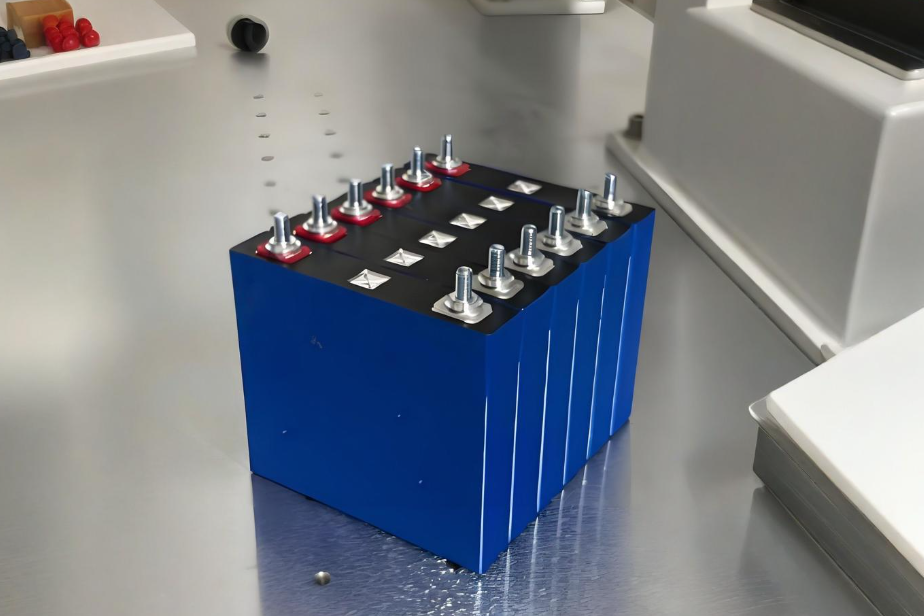
What Makes LTO Batteries Stand Out?
The key advantages of LTO batteries can be summarized in two words: fast charging and long lifespan.
Unlike conventional lithium-ion batteries, LTO batteries use lithium titanate as the anode material. This material has a highly stable crystal structure and undergoes very little volume change during repeated charging and discharging. As a result, structural degradation of the electrode material can be significantly reduced over long-term use.
This characteristic is particularly valuable for equipment that requires frequent charging and discharging. Instead of replacing the battery frequently, users can rely on an LTO battery for stable operation over a much longer period.
Fast Charging Meets the Needs of High-Frequency Applications
Charging speed has become an increasingly important issue in the renewable energy and electric mobility industries.
For applications such as electric buses, commercial vehicles, AGVs, and industrial equipment, waiting several hours for a battery to recharge can directly affect operating efficiency.
LTO batteries offer excellent high-rate charging performance. When combined with suitable battery design, a reliable BMS, and an appropriate charging system, LTO technology can support rapid energy replenishment.
This allows equipment to take advantage of short breaks or operating intervals for charging instead of requiring long periods of downtime.
For example, vehicles and industrial equipment that operate throughout the day can perform multiple fast charging cycles during short breaks, helping increase overall equipment utilization.
This is one of the major reasons why LTO battery technology is attracting attention from commercial and industrial users.
Ultra-Long Cycle Life Reduces Long-Term Costs
If fast charging addresses the issue of charging time, the ultra-long cycle life of LTO batteries addresses another important concern: how long the battery can be used.
Conventional lithium batteries gradually lose capacity after repeated charge and discharge cycles. Once the battery performance falls below an acceptable level, replacement may be necessary.
LTO batteries are known for their outstanding cycle life. Depending on the product design and testing conditions, high-quality LTO batteries can achieve thousands of cycles, with some products exceeding 10,000 cycles.
For energy storage systems and industrial equipment that are charged and discharged several times a day, this can translate into many years of reliable operation.
Although the initial purchase price of an LTO battery may be higher than that of some conventional lithium batteries, fewer battery replacements over the entire service life can help businesses reduce maintenance and replacement costs.
High Safety Is Another Reason for Growing Interest
In addition to lifespan and charging speed, safety is a critical consideration when businesses select battery technology.
LTO batteries use lithium titanate as the anode material, which offers excellent thermal and chemical stability. With proper battery design and BMS management, LTO technology can help reduce the risk of abnormal internal reactions and thermal runaway.
For energy storage systems, public transportation, and industrial applications, batteries often need to operate continuously for long periods. In these situations, stability and reliability can be more important than simply achieving the highest possible energy density.
This is another reason LTO batteries remain competitive in high-reliability applications.
Good Performance in Low-Temperature Environments
Many battery technologies experience reduced capacity and slower charging performance in low-temperature environments.
LTO batteries are known for their relatively strong low-temperature performance and can maintain good charging and discharging capabilities in cold conditions. This makes them suitable for applications exposed to significant temperature variations or cold climates.
For electric transportation, outdoor energy storage systems, and certain industrial applications, this environmental adaptability can improve overall system reliability.
Which Markets Are LTO Batteries Suitable For?
LTO batteries are not designed to replace every type of lithium battery. Instead, they are particularly suitable for applications that require frequent charging and discharging, fast charging, and a long service life.
LTO batteries can be used in a wide range of applications, including:
Electric buses and commercial vehicles
AGVs and industrial vehicles
Solar energy storage systems
Commercial and industrial energy storage
UPS and backup power systems
Fast-charging equipment
Smart grid applications
Industrial automation equipment
These applications share several common characteristics: high battery usage frequency, demanding operating conditions, and a strong need for reliability and stability.
LTO Batteries Also Have Certain Limitations
Although LTO batteries offer many advantages, their limitations should also be considered when selecting a battery technology.
Compared with some lithium battery technologies, such as certain NMC batteries, LTO batteries generally have lower energy density. This means that a larger or heavier battery system may be required to store the same amount of energy.
In addition, the initial cost of LTO batteries is typically higher. Therefore, if an application focuses mainly on minimizing upfront costs or achieving the highest possible energy density, other lithium battery technologies may be more suitable.
However, when cycle life, fast charging, safety, and long-term operating costs are the main priorities, the advantages of LTO technology become much more significant.
Why Are LTO Batteries Gaining Market Attention?
The energy industry is gradually moving beyond simply pursuing higher battery capacity and is paying more attention to the overall value of a battery throughout its lifecycle.
For high-frequency applications, how much energy a battery can store is only one part of the equation. How quickly it can recharge, how many cycles it can deliver, how long it can operate, and how reliably it performs over time are equally important.
LTO batteries are particularly well positioned in these areas.
From fast charging and ultra-long cycle life to safety and environmental adaptability, LTO technology is becoming an increasingly attractive option for energy storage, transportation, and industrial applications.
The growing interest in LTO batteries is not accidental. Lithium titanate technology addresses several common challenges associated with conventional battery systems, particularly in fast charging, cycle life, and high-frequency operation.
Although LTO batteries have certain limitations in terms of energy density and initial cost, they remain highly competitive for applications that require fast charging, frequent cycling, long-term operation, and high reliability.
As demand for energy storage, electric transportation, and industrial power solutions continues to grow, LTO batteries are expected to play an increasingly important role in specialized and high-frequency energy applications.