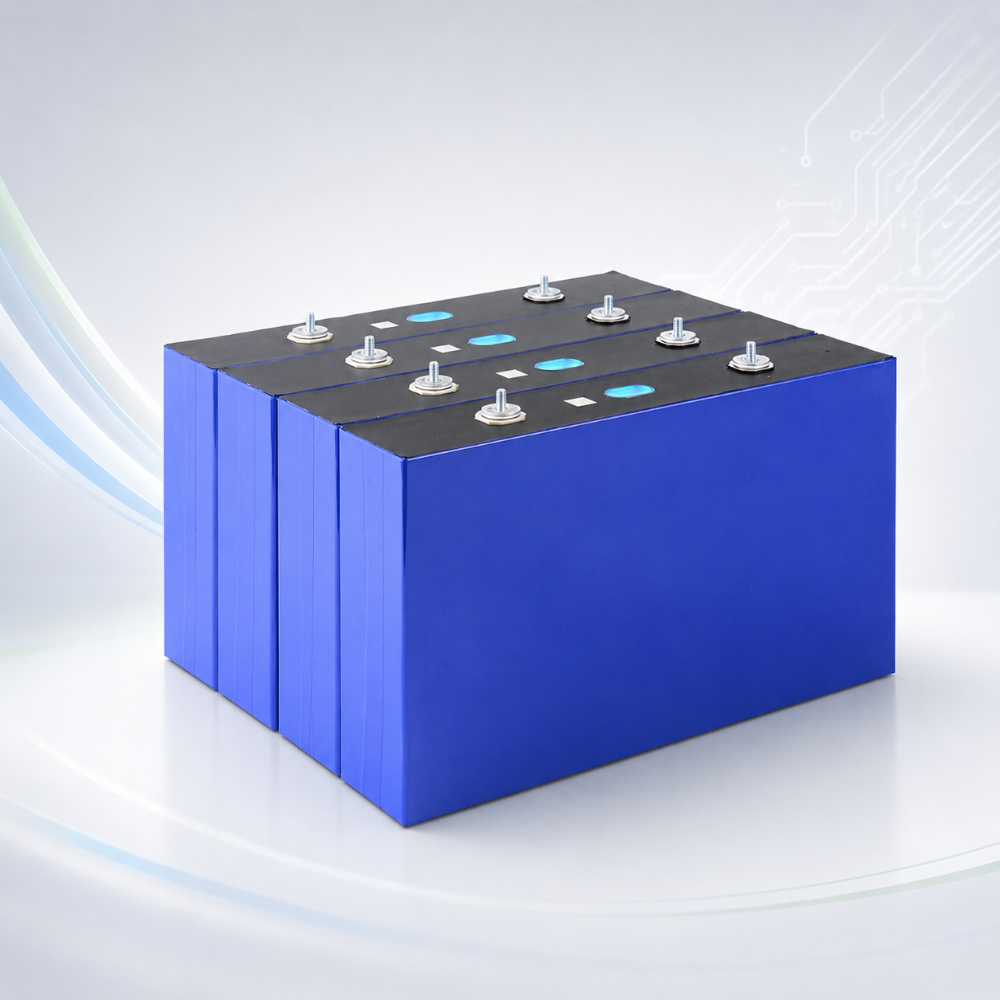
When purchasing a lithium battery, many users pay attention to capacity, price, and brand, but often overlook the impact of battery voltage on long-term performance. Some people believe that a higher voltage means a longer battery lifespan, while others worry that high voltage may accelerate battery aging. In fact, battery lifespan is not determined by voltage alone. It is also related to battery design, voltage matching, charging and discharging methods, and operating conditions. Especially for LiFePO4 batteries, which are widely used in energy storage and electric vehicles, proper battery voltage management can help maintain stable performance and extend service life.
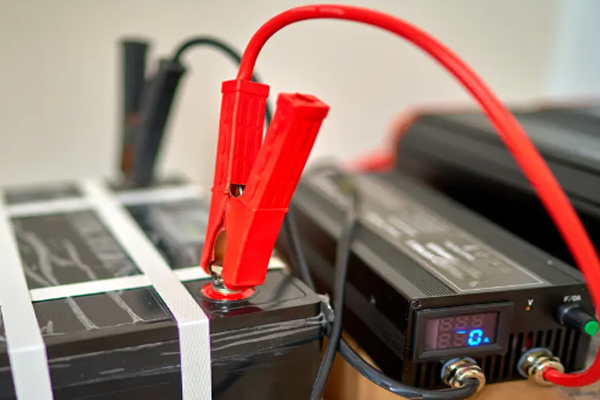
Why Does Battery Voltage Affect Battery Lifespan?
Battery voltage itself does not directly determine lifespan, but operating at an unsuitable voltage for a long time can affect internal battery performance and durability. Whether it is a lithium battery or a LiFePO4 battery, it needs to operate within a proper voltage range. Excessively high or low voltage can increase battery stress.
- Excessive voltage may accelerate battery aging.
- Low voltage may cause over-discharge.
- Stable voltage helps maintain battery performance.
- Proper voltage matching reduces unnecessary wear.
During charging, if the battery voltage stays above the recommended level for a long time, the internal materials may be affected, causing gradual capacity loss. On the other hand, continuous low-voltage operation can lead to deep discharge, which reduces cycle life. Choosing the right battery voltage and maintaining a proper charging and discharging range are important factors for extending battery service life.
Does Higher Battery Voltage Mean Longer Lifespan?
Many people assume that a 48V battery must last longer than a 12V battery because it has a higher voltage. However, voltage mainly represents the output level of a battery system and does not directly determine battery quality or lifespan.
- Higher voltage is suitable for higher-power equipment.
- Lower voltage is suitable for smaller applications.
- Battery lifespan mainly depends on cell quality.
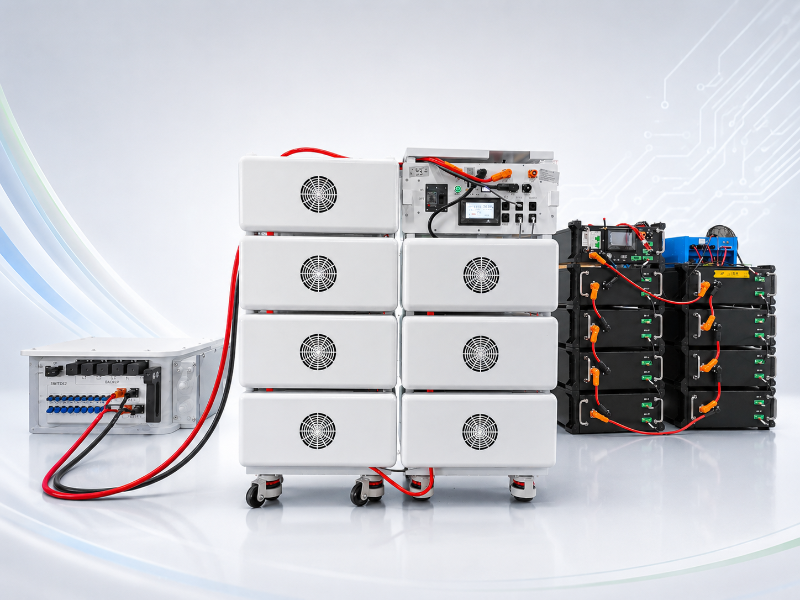
48V lithium batteries are commonly used in home energy storage systems, solar power systems, and high-power equipment because they can reduce operating current and improve system efficiency. However, even a high-voltage battery may have a shorter lifespan if the battery quality is poor or the operating environment is unsuitable.
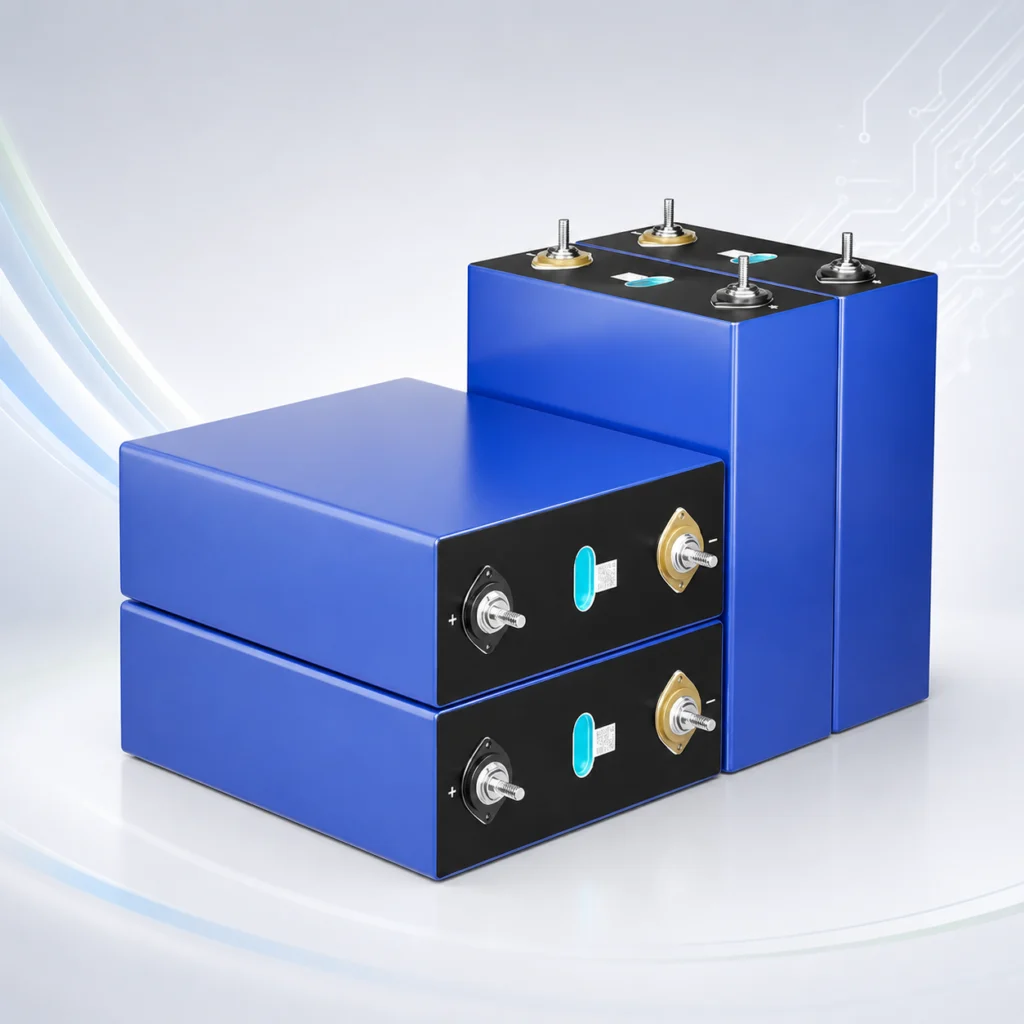
Battery lifespan is more closely related to cell materials, manufacturing quality, charging cycles, and daily maintenance. LiFePO4 batteries have a stable chemical structure and generally provide better cycle performance, making them suitable for long-term applications.
How Can You Extend the Lifespan of LiFePO4 Batteries?
LiFePO4 batteries are widely used because of their high safety, long cycle life, and stable performance. However, proper usage is still important. In many cases, battery performance problems are not caused by the battery itself but by improper usage habits over time.
- Avoid frequent deep discharge.
- Use a compatible charger.
- Avoid extreme temperature environments.
- Regularly check battery voltage conditions.
When using LiFePO4 batteries, it is better to avoid frequently draining the battery to a very low level before charging. Maintaining reasonable charging and discharging habits can reduce internal stress. At the same time, the charger, battery management system, and equipment voltage should be properly matched to prevent battery damage caused by voltage issues.
How Can Battery Voltage Management Extend Battery Life?
Proper battery voltage management is an important way to improve battery stability. Especially for lithium batteries used in energy storage systems, monitoring voltage changes during long-term operation can help identify problems earlier.
- Regularly check the actual battery voltage.
- Avoid storing batteries fully charged or completely empty for long periods.
- Choose battery specifications that match equipment requirements.
During normal use, battery voltage naturally changes during charging and discharging. This is normal. What users should pay attention to is whether voltage changes remain stable and whether problems such as sudden voltage drops or abnormal charging occur. If the battery voltage fluctuates significantly, the battery condition should be checked promptly to prevent small issues from affecting overall service life.
Battery voltage does affect battery lifespan, but it is not the only factor that determines how long a battery will last. Proper battery voltage, stable charging and discharging methods, and a suitable operating environment all influence lithium battery performance. For applications that require long-term operation, LiFePO4 batteries are widely used because of their stability and long cycle life. Proper battery voltage management can help maintain better performance and reduce unnecessary battery wear.