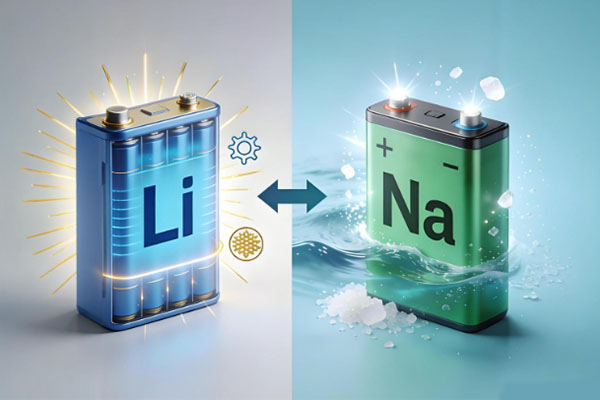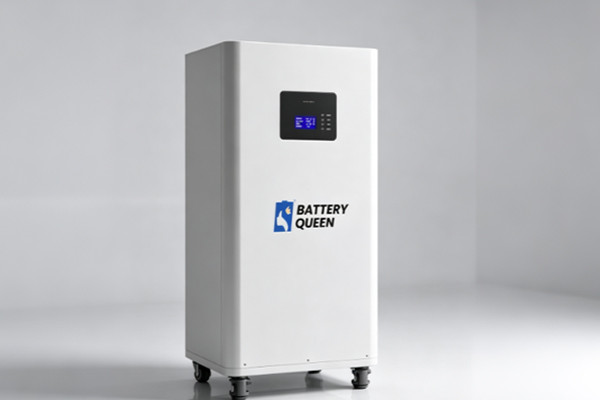
With the increasing application of energy storage equipment, grid energy storage systems, and outdoor power devices, the stable operating capability of batteries under different environmental conditions has attracted more and more attention. High-temperature environments have always been an important factor affecting battery safety because rising temperatures can increase the activity of internal battery materials and cause changes in electrolyte stability, electrode structures, and chemical reaction rates. As an emerging energy storage technology, sodium-ion batteries use sodium ions as the charge transfer medium. They have a similar working mechanism to lithium-ion batteries but differ in material composition and thermal stability performance. Sodium-ion batteries generally demonstrate good safety performance in high-temperature environments, mainly because their cathode materials and electrochemical systems are specially designed to reduce unstable reactions under high-temperature conditions. For example, some sodium-ion batteries use phosphate-based materials, Prussian blue-based materials, and highly stable oxide materials, which can maintain relatively stable structures even when temperatures increase.
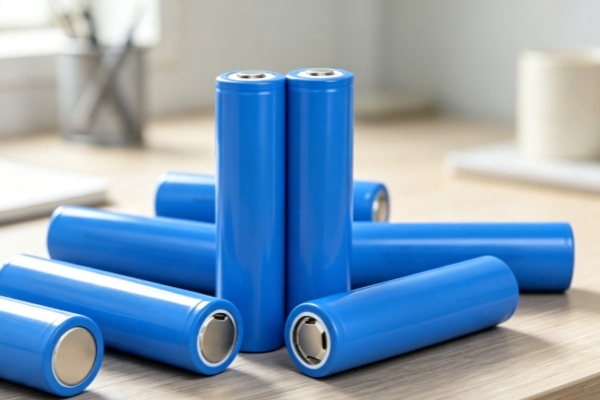
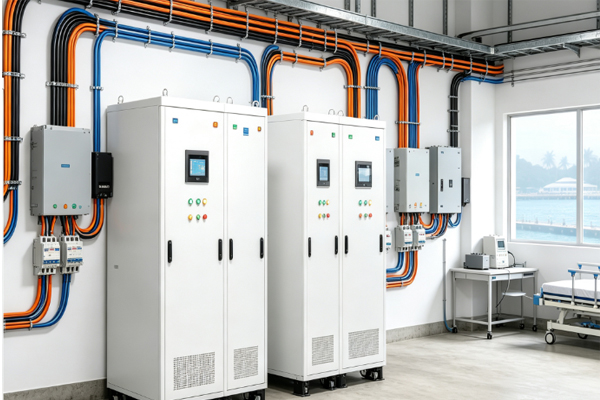
During battery operation, high temperatures may increase internal side reactions, causing capacity reduction, shorter service life, and even safety risks. Therefore, sodium-ion batteries rely not only on the stability of their materials but also require integration with battery management systems (BMS), thermal management structures, and proper charging and discharging control to ensure normal operation under high-temperature conditions. Compared with some traditional lithium-ion batteries, sodium-ion batteries have certain advantages in thermal stability. Due to the chemical characteristics of sodium elements and the structural features of certain cathode materials, sodium-ion batteries can demonstrate better tolerance in environments with large temperature variations, making them suitable for applications such as outdoor energy storage, grid energy storage, and industrial backup power systems.
Factors Affecting the High-Temperature Safety of Sodium-Ion Batteries
Influence of Cathode Materials on High-Temperature Stability
Cathode materials are an important component affecting the high-temperature safety performance of sodium-ion batteries. Different types of cathode materials show different behaviors in high-temperature environments. For example, polyanionic cathode materials have relatively stable crystal structures and are less likely to undergo significant structural changes when temperatures rise, helping batteries maintain better cycling performance. Prussian blue-based materials have open framework structures that provide stable migration channels for sodium ions, allowing them to maintain good electrochemical performance within a certain temperature range.
Common influencing factors include:
- Whether the material structure is stable;
- Whether oxygen release reactions are likely to occur at high temperatures;
- Whether excessive side reactions occur between electrodes and electrolytes;
- Whether capacity decreases significantly after long-term operation.
If the cathode material has high stability, internal reactions inside the battery are easier to control during high-temperature operation, and the risk of thermal runaway can also be reduced. Therefore, cathode material selection plays an important role in improving the safety performance of sodium-ion batteries.
Influence of Electrolytes and Battery Structure on Operating Safety
In addition to cathode materials, electrolytes are also an important factor determining the high-temperature performance of sodium-ion batteries. Electrolytes are mainly responsible for sodium ion transportation and need to maintain good stability in high-temperature environments. When temperatures continue to rise, ordinary electrolytes may experience decomposition, generate gas, or increase internal battery pressure. Therefore, sodium-ion batteries usually require electrolyte systems with higher thermal stability to reduce undesirable reactions under high-temperature conditions.
Battery structural design also affects safety performance, such as:
- Designing reasonable heat dissipation channels;
- Optimizing internal cell space;
- Equipping temperature monitoring devices;
- Using intelligent battery management systems.
Through these measures, battery temperature changes can be monitored in real time, and charging and discharging parameters can be adjusted according to operating conditions to prevent batteries from remaining under high-temperature stress for long periods.
Advantages of Sodium-Ion Batteries in High-Temperature Environments
Good Thermal Stability Reduces Safety Risks
When batteries operate in high-temperature environments, the most important issue is controlling internal heat accumulation. Sodium-ion batteries use materials suitable for sodium ion migration, which can reduce unstable reactions under high-temperature conditions to a certain extent. Compared with some high-energy-density lithium batteries, sodium-ion batteries generally do not rely on highly active materials designed solely for extremely high energy density, giving them certain advantages in safety design.
During actual use:
- Battery temperature rise is relatively easier to control;
- Structural stability is better under high-temperature conditions;
- Long-term operation is more stable;
- Suitable for continuous operation of stationary energy storage equipment.
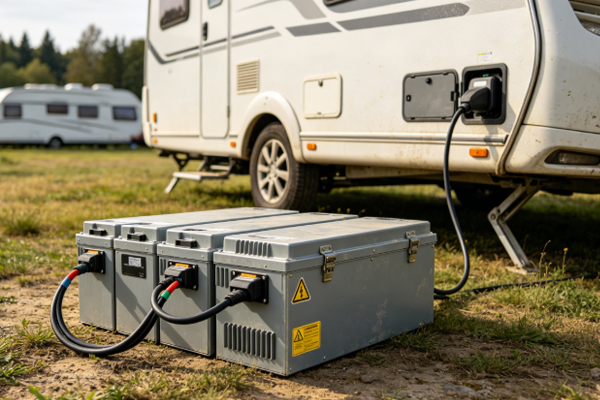
For outdoor energy storage equipment, environmental factors such as high summer temperatures and direct sunlight can increase battery operating pressure. The better thermal stability of sodium-ion batteries can reduce the impact of temperature changes on equipment performance.
Suitable for Energy Storage Applications in High-Temperature Regions
Some regions maintain high temperatures throughout the year, such as industrial parks, outdoor communication stations, and solar energy storage installation areas. Batteries in these locations need to operate under high-temperature conditions for long periods. Due to their special material characteristics, sodium-ion batteries can be applied in these environments. For example, in solar energy storage systems, batteries may be exposed to high temperatures during the daytime while continuously absorbing electricity generated by photovoltaic equipment. If battery temperature resistance is insufficient, energy storage efficiency may be affected. By using sodium-ion batteries with proper thermal management design, equipment can maintain stable operation and improve energy utilization efficiency.
Frequently Asked Questions
At What Temperature Can Sodium-Ion Batteries Operate Normally?
The operating temperature range of sodium-ion batteries varies among different manufacturers and products, and specific product specifications should be consulted. Common sodium-ion batteries can adapt to certain high-temperature environments. If the temperature exceeds the recommended operating range for a long time, even sodium-ion batteries with good thermal stability may experience capacity reduction and shorter service life.
Can High Temperatures Cause Sodium-Ion Batteries to Explode?
Under normal design conditions and proper usage, the probability of serious safety accidents in sodium-ion batteries is relatively low. However, any battery may experience safety issues under extreme high temperatures, severe damage, or failure of protection systems. To improve safety, it is necessary to:
- Avoid long-term exposure to extreme high-temperature environments;
- Use battery products that meet required standards;
- Regularly inspect the battery management system;
- Maintain good heat dissipation conditions.
Are Sodium-Ion Batteries More Heat-Resistant Than Lithium Batteries?
Sodium-ion batteries have certain advantages in thermal stability, but this does not mean they are always completely superior to lithium batteries in all situations. Different material systems, battery designs, and manufacturing processes will affect final performance. For example, some high-performance lithium batteries can also achieve good high-temperature operating capabilities through optimized materials and thermal management designs. Therefore, the appropriate battery type should be selected according to the specific application environment.
Sodium-ion batteries demonstrate good safety performance in high-temperature environments, and their advantages mainly come from stable material systems, battery structural design, and strong thermal stability. Compared with some traditional batteries, sodium-ion batteries can reduce certain unstable reactions during high-temperature operation and are more suitable for long-term energy storage applications. However, battery safety performance depends not only on the battery type but also on material quality, manufacturing processes, temperature management, and usage methods. Even though sodium-ion batteries have good temperature resistance, they still require reasonable thermal management systems and intelligent control technologies to avoid long-term operation beyond the designed temperature range.