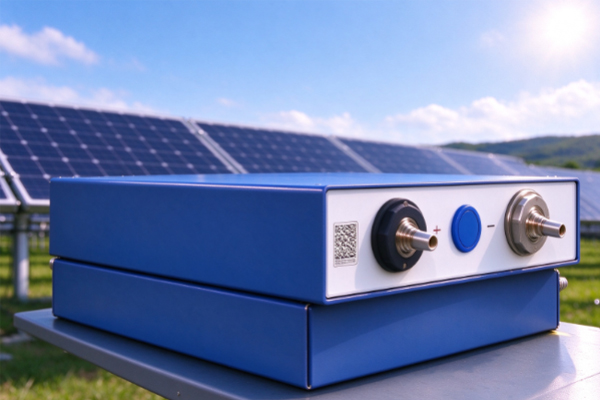
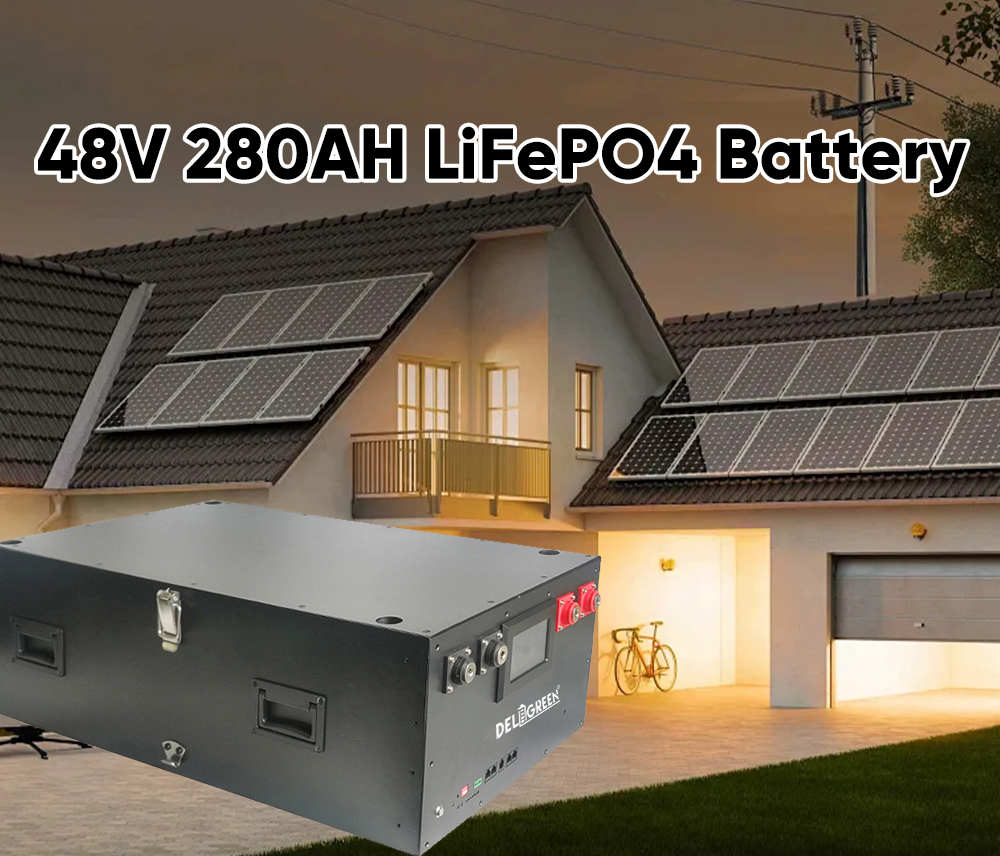
Solar energy storage systems store excess electricity generated by solar panels for use at night, during cloudy weather, or when the power grid fails. LiFePO4 batteries are a popular choice for solar energy storage because of their long cycle life, good safety performance, and stable charging and discharging capabilities. However, solar storage battery prices can vary significantly. Even batteries with the same capacity may have different prices due to differences in brands, configurations, and technical specifications. Understanding the key factors that affect battery prices helps buyers choose products that match their budgets and electricity needs.
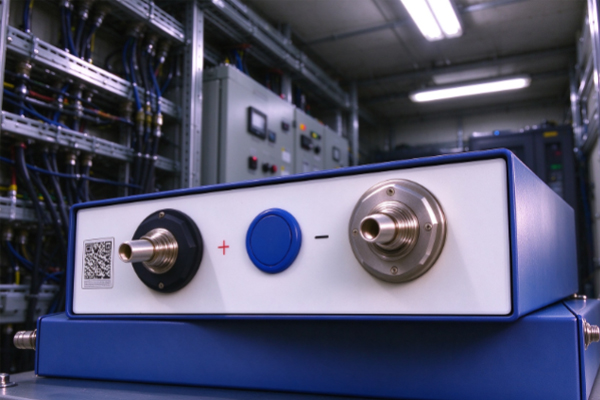
Battery Capacity Affects the Price
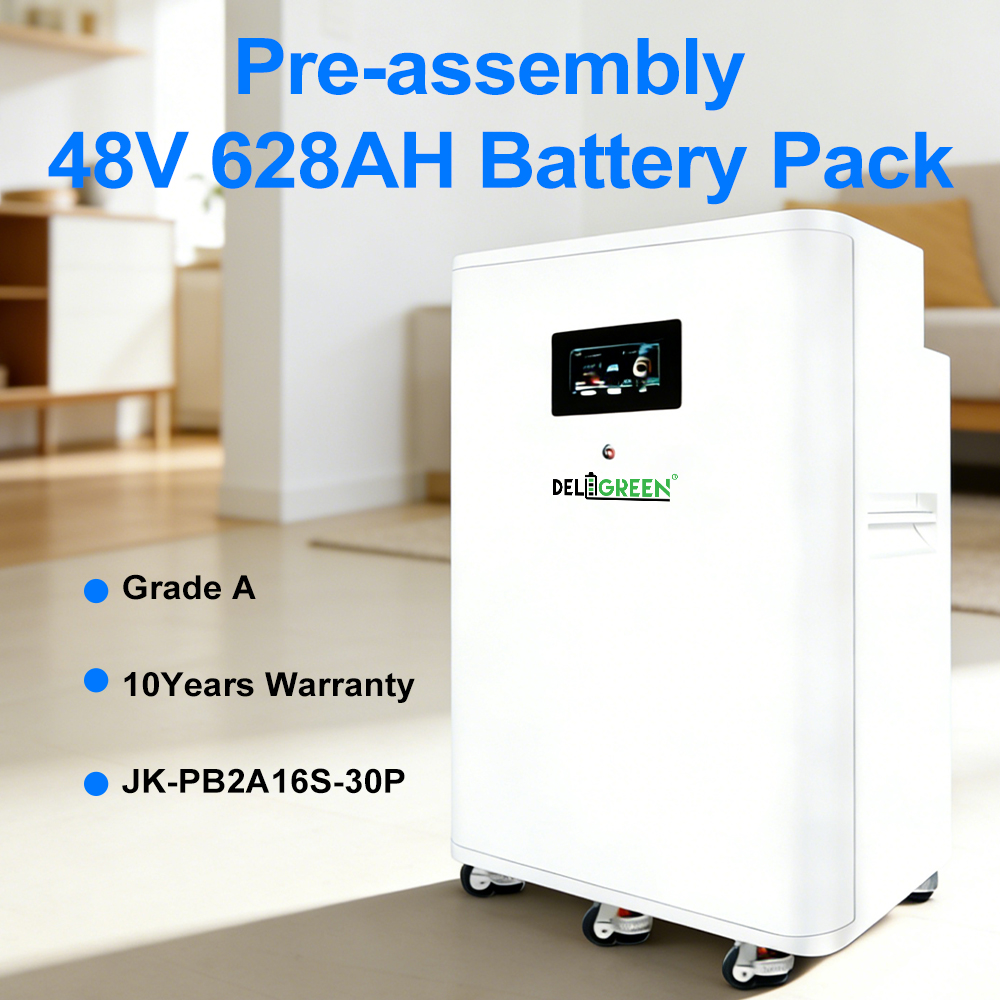
Battery capacity is one of the main factors affecting the price of solar energy storage batteries. Larger batteries generally require more cells, higher material costs, and suitable battery management configurations, which usually increase the final price. Common residential storage battery capacities include 5kWh, 10kWh, 15kWh, and 20kWh. Each capacity is suitable for different household electricity requirements.
Small-capacity batteries are suitable for basic backup power needs, such as lighting, refrigerators, Wi-Fi routers, and mobile phone charging. A 10kWh battery can support more household appliances, while households with higher electricity consumption or longer backup requirements may consider 15kWh or larger systems.
When purchasing a battery, buyers should not focus on capacity alone. Rated voltage, continuous discharge power, and usable capacity are also important. Some products may have a high rated capacity but different actual usable energy and output capabilities. Choosing a battery based on solar generation, daily electricity consumption, and required backup time can help avoid unnecessary costs and insufficient power supply.
Cell Quality and Battery Technology Affect the Price
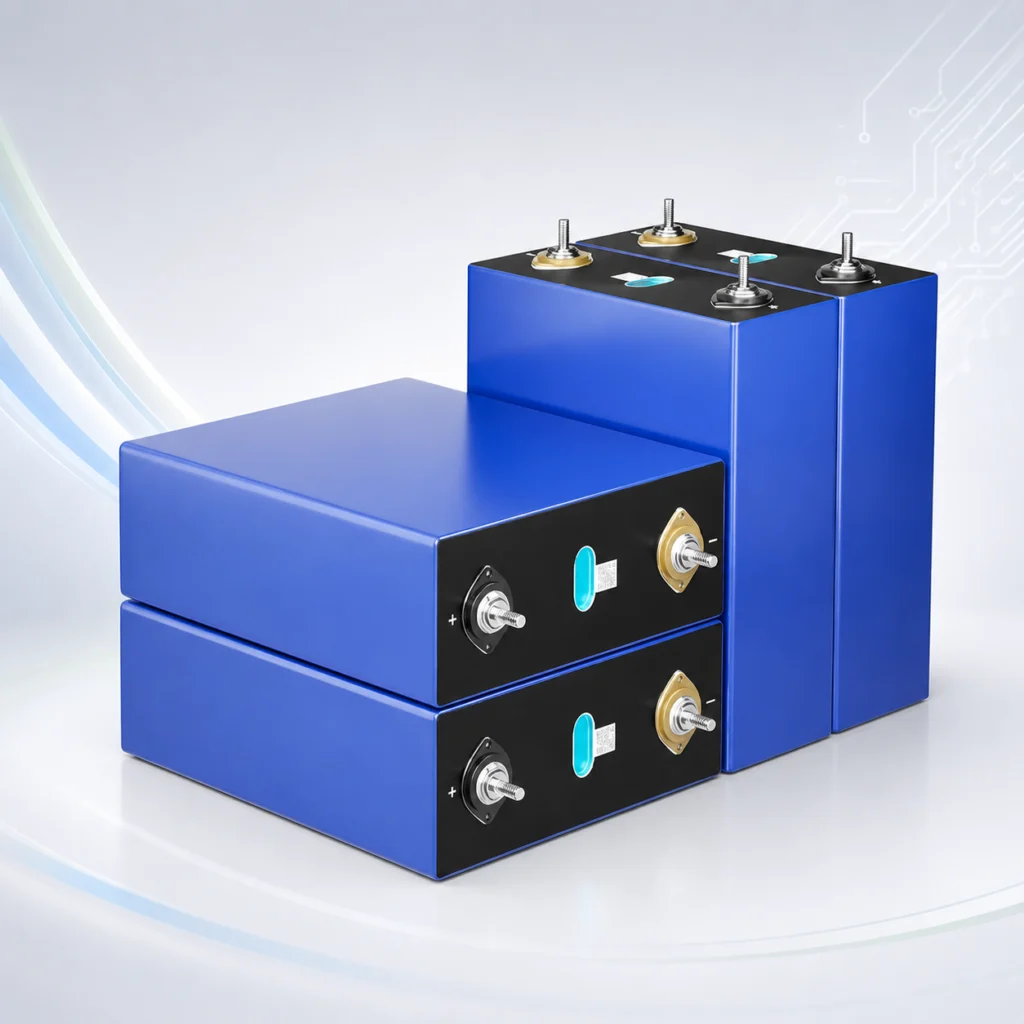
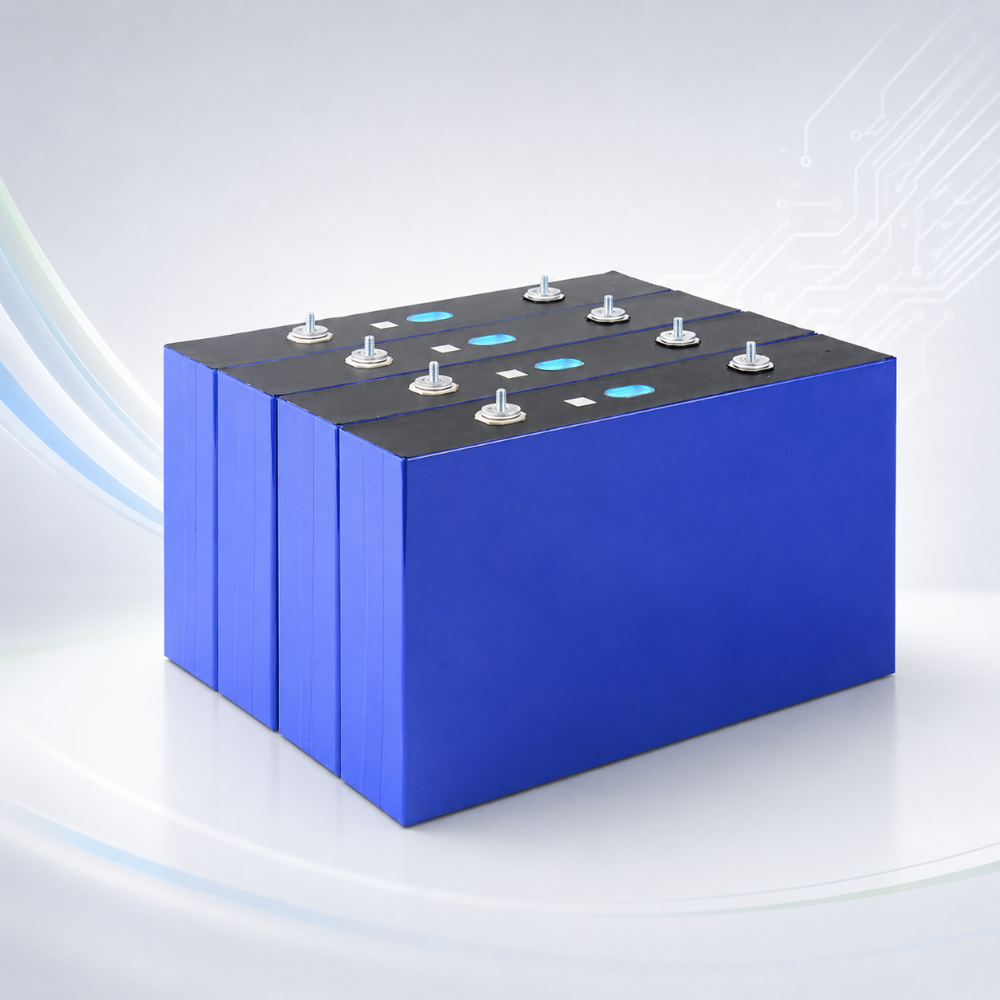
Battery cells are the core components of solar energy storage batteries. Their quality, performance, and manufacturing processes directly affect production costs. LiFePO4 cells offer good thermal stability and a long cycle life, making them suitable for solar storage systems that require frequent charging and discharging.
Different cells may vary in consistency, capacity retention, internal resistance, and manufacturing quality. Cells with more stable performance and stricter quality testing usually involve higher production costs. Battery assembly, manufacturing precision, and factory testing also influence the final price.
Buyers should pay attention to the following details:
- Cell quality: Check the cell source, specifications, consistency, and quality inspection records.
- Cycle life: Review the rated cycle count and capacity retention under specified test conditions.
- Battery structure: Check whether the housing, connectors, and internal layout meet installation and operating requirements.
- Production testing: Confirm whether the battery has passed capacity, charging, discharging, and safety tests.
Cell quality cannot be judged by price alone. Buyers should request clear technical specifications and test documents from suppliers. Choosing batteries with stable performance and reliable quality control can help reduce future maintenance and replacement costs.
Battery Management Systems and Safety Features Affect Costs
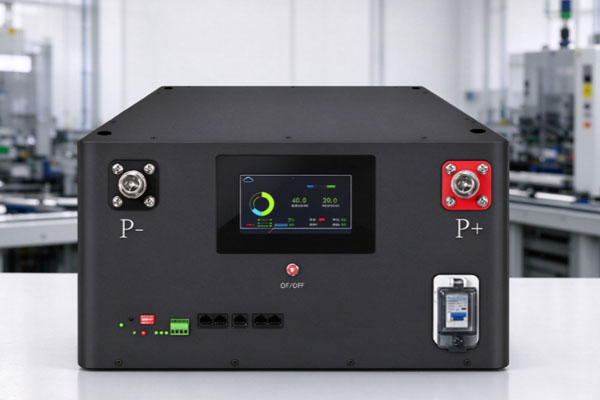
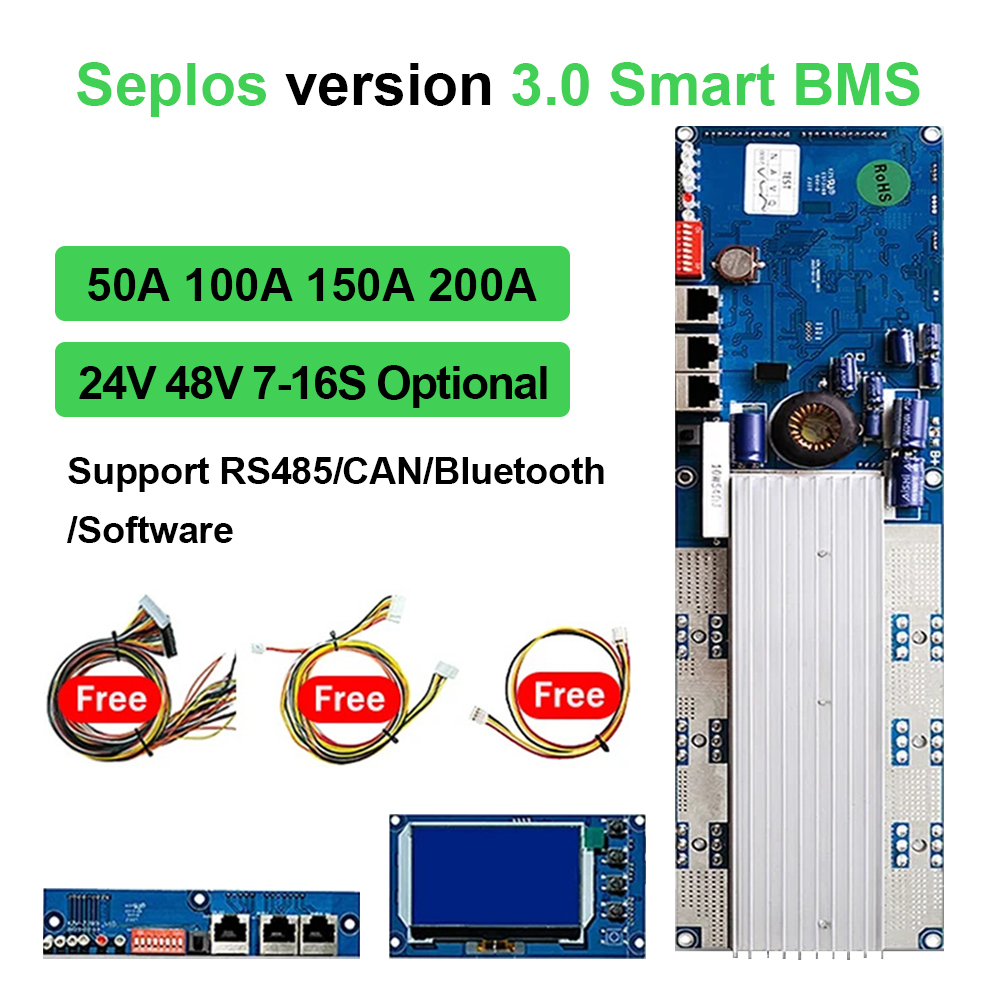
Solar energy storage batteries usually include a battery management system, also known as a BMS. The BMS monitors battery voltage, current, and temperature. It provides protection based on operating conditions and helps maintain stable battery performance.
Different batteries have different BMS configurations. Protection functions, monitoring accuracy, cell balancing capabilities, and communication features can all affect product costs. A well-designed BMS helps protect against overcharging, over-discharging, overcurrent, and abnormal temperatures. It can also support longer battery service life.
For solar storage systems connected to inverters, the battery must have suitable communication interfaces and control functions. Common CAN and RS485 interfaces allow data communication between batteries and compatible equipment. Some products also support remote monitoring, operating status checks, and fault notifications. These features may increase manufacturing costs but make system management more convenient.
Before purchasing, users should confirm that the battery includes the required protection functions and is compatible with the selected inverter. Safety features should not be sacrificed simply to obtain a lower purchase price. A reliable battery protection system is essential for long-term operation.
Brand, Manufacturer, and Customization Requirements Affect Prices
The brand and manufacturer also influence solar energy storage battery prices. Manufacturers with established production experience, reliable quality control, and stable supply capabilities often invest more in cell sourcing, production equipment, product testing, and after-sales support. Different manufacturers may use different battery structures, production standards, and quality management processes, resulting in different prices.
Brand reputation can affect market pricing, but buyers should also check actual technical specifications, product quality, and service capabilities. For bulk purchases, manufacturing capacity, delivery schedules, and long-term spare parts support are also important.
Customization requirements can further change the final quotation. Some residential and commercial storage projects require specific voltage levels, capacities, housing dimensions, installation methods, or communication protocols. Manufacturers may need to adjust battery designs and production configurations according to project requirements.
Common customization options include:
- Capacity and voltage: Select battery specifications according to the energy storage system.
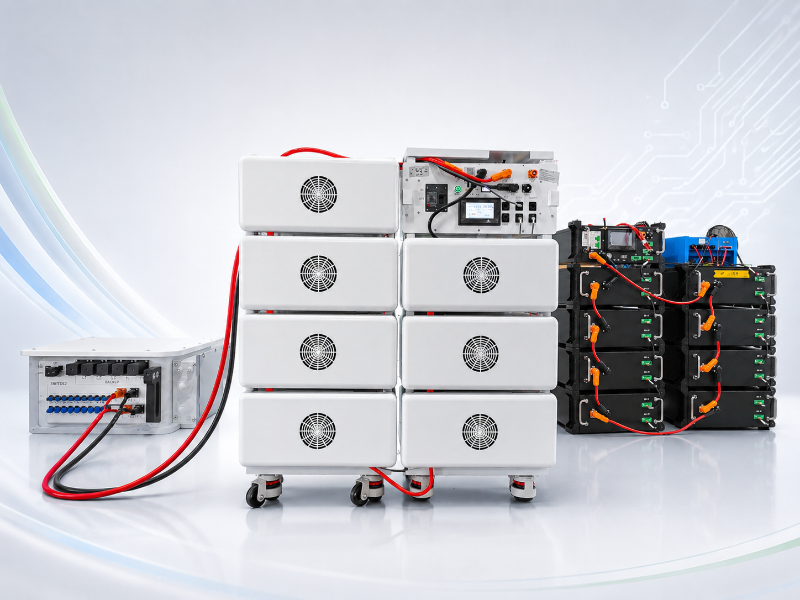
- Housing dimensions: Adjust the structure for wall-mounted, rack-mounted, or floor-standing installation.
- Communication protocols: Confirm CAN, RS485, or other communication requirements based on the inverter model.
- Order quantity and packaging: Arrange production according to order volume, transportation methods, and delivery requirements.
Customized batteries can better meet project requirements, but design work, sample production, and manufacturing adjustments may increase costs. Providing complete technical requirements before ordering helps manufacturers prepare accurate quotations and reduces additional expenses caused by later changes.
Installation Conditions, After-Sales Service, and Order Quantity Affect Total Costs
The final cost of solar energy storage batteries depends on more than the battery itself. Installation conditions, transportation, after-sales service, and order quantity can also affect the total purchasing budget.
Residential storage systems may use wall-mounted, rack-mounted, or floor-standing batteries. Each installation type has different requirements for housing design, mounting accessories, and installation work. Temperature, humidity, and ventilation at the installation location must also meet the manufacturer’s requirements. Some projects may need additional electrical protection equipment, cables, and installation services, which increase the overall budget.
Transportation costs should also be included in the quotation. Batteries must be handled according to applicable transportation requirements. Shipping methods, packaging standards, destination distance, and order quantity can all affect logistics expenses. For international purchases, buyers should also check local import requirements, relevant certifications, and customs clearance costs.
After-sales service is important for long-term battery operation. Technical support, warranty coverage, troubleshooting, and spare parts availability all influence the overall value of a product. Bulk orders may qualify for more competitive unit prices, but buyers should also confirm delivery schedules, product consistency, and warranty support.
When selecting solar energy storage batteries, compare battery specifications, BMS configuration, cell quality, inverter compatibility, transportation costs, and warranty conditions. Do not make purchasing decisions based only on the unit price. Choose a reliable LiFePO4 battery supplier that can meet actual energy storage requirements and provide stable products and dependable service. Providing details such as capacity, voltage, installation method, and application scenario helps manufacturers prepare more accurate quotations.