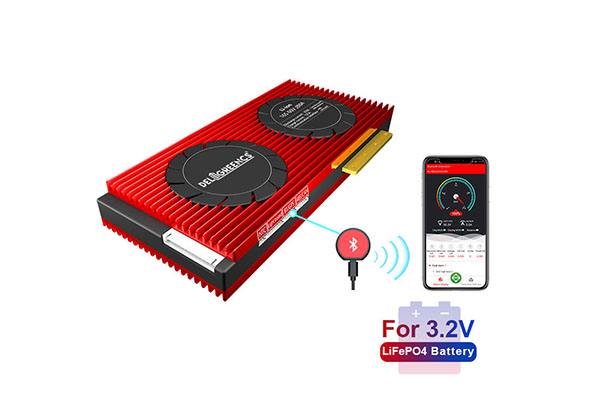
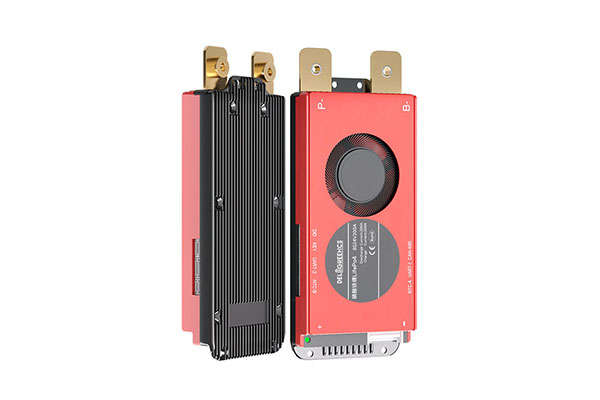
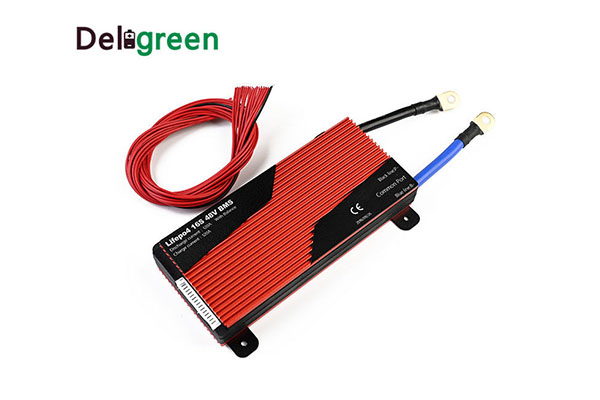
In lithium battery energy storage systems, backup power supplies, and industrial power equipment, battery voltage directly affects operational safety, charging and discharging efficiency, and service life. A Battery Management System (BMS) continuously monitors individual cell voltages and overall battery conditions, activating protective measures when voltage levels exceed or fall below the permitted range. Overvoltage and undervoltage protection are two essential functions of a reliable BMS.Understanding how these protection mechanisms work and which parameters matter can help businesses select a suitable battery management solution, reduce the risks of overcharging and over-discharging, and improve battery system reliability.
What Are BMS Overvoltage and Undervoltage Protection?
How BMS Overvoltage Protection Works
BMS overvoltage protection prevents a battery cell from exceeding its maximum permitted voltage during charging. When the cell voltage reaches the preset overvoltage protection threshold, the BMS can stop charging, disconnect the charging circuit, or send a protection signal to external equipment.
Excessively high voltage may result from an incompatible charger, voltage differences between cells, or charging control failures. Prolonged exposure to excessive voltage can accelerate battery degradation and increase safety risks.
For lithium battery packs consisting of multiple cells connected in series, monitoring only the total pack voltage may not identify every potential problem. Even when the overall pack voltage remains within its normal range, an individual cell may reach its overvoltage threshold. Therefore, individual cell voltage monitoring is an important part of BMS protection design.
How BMS Undervoltage Protection Works
BMS undervoltage protection prevents battery cells from discharging below their permitted voltage limits. When an individual cell voltage drops below the preset undervoltage threshold, the BMS can stop discharging, disconnect the discharge circuit, or restrict power delivery to the load.
Excessive discharge may cause capacity degradation and changes in internal resistance. In severe cases, it can also affect subsequent charging safety. For batteries used in long-term energy storage applications, properly configured undervoltage protection helps reduce the damage associated with deep discharge.
It is important to understand that undervoltage protection does not mean the battery has been completely depleted. The BMS typically intervenes when the cell voltage reaches a defined protection threshold, preserving an appropriate safety margin.
Key Differences Between BMS Overvoltage and Undervoltage Protection
Different Protection Objectives
Overvoltage protection primarily addresses risks during charging by preventing cell voltage from exceeding the permitted upper limit. Undervoltage protection focuses on discharge-related risks by preventing cell voltage from falling below a safe operating level.
Although these two functions operate in opposite directions, they share the same objective: keeping the battery within the operating voltage range specified for its chemistry and design.
Different Trigger Conditions and Control Actions
When a cell reaches the overvoltage protection threshold, the BMS typically stops charging or disconnects the charging path. When a cell reaches the undervoltage protection threshold, the BMS generally stops discharging or disconnects the load.
After protection is triggered, the system may apply recovery thresholds, delay periods, or manual reset requirements to prevent repeated switching caused by temporary voltage fluctuations. The exact response depends on the BMS hardware, software logic, and coordination with external equipment.
Different Effects on Battery Performance
Overvoltage protection helps reduce the risk of overcharging, while undervoltage protection helps minimize damage caused by excessive discharge.
If the thresholds are configured incorrectly, overvoltage protection may interrupt normal charging too frequently, while undervoltage protection may restrict usable battery capacity prematurely.
Therefore, protection parameters must comply with the cell manufacturer’s specifications while accommodating the actual requirements of the application.
What Key Parameters Should Be Considered in BMS Voltage Protection?
Overvoltage Protection Threshold and Recovery Voltage
The overvoltage protection threshold determines when the BMS activates its high-voltage protection response. When the cell voltage reaches the specified condition, the BMS initiates the corresponding protective action.
Recovery voltage determines the voltage level at which the system can release overvoltage protection. An appropriate recovery threshold helps prevent frequent switching between protection and normal operating states.
These parameters must be configured according to the battery chemistry, cell datasheet, and BMS model. Settings designed for one battery type should not be applied directly to all lithium battery systems.
Undervoltage Protection Threshold and Recovery Voltage
The undervoltage protection threshold determines when the BMS should stop discharging because the cell voltage has fallen too low. The recovery voltage specifies the level at which the system may permit discharging to resume.
In residential energy storage, solar energy storage, and industrial backup power systems, properly configured undervoltage protection helps balance usable battery capacity and service life.
If the system allows the battery to recover through charging after protection is triggered, users should confirm whether the BMS supports the required recovery logic and whether manual resetting or external controller coordination is necessary.
Protection Delay Time and Response Speed
Protection delay time refers to the period between detecting an abnormal voltage condition and executing the protective action. An appropriate delay can help prevent false triggering caused by brief voltage fluctuations. However, an excessively long delay may compromise the timeliness of protection.
When configuring this parameter, engineers should consider voltage sampling accuracy, controller response capability, battery operating conditions, and equipment requirements. For severe abnormal conditions, the system should also provide a fast protection mechanism appropriate to its design.
Individual Cell Voltage and Total Battery Pack Voltage
Individual cell voltage indicates the electrical condition of each cell, while total battery pack voltage represents the combined voltage of the battery pack.
For example, in a lithium iron phosphate (LiFePO4) battery pack, multiple cells are connected in series. Even when the total pack voltage appears normal, an individual cell may reach its overvoltage or undervoltage threshold prematurely.
When selecting a BMS, businesses should verify the supported number of series-connected cells, individual cell voltage monitoring capabilities, and total pack voltage protection functions.
How to Configure BMS Voltage Protection Parameters Correctly
Set Parameters According to Battery Chemistry
Different battery chemistries have different nominal voltages, maximum charging voltages, and minimum discharge voltages. LiFePO4 batteries and other lithium-ion battery types should not automatically use identical voltage protection settings.
Before configuration, consult the cell manufacturer’s technical datasheet and verify that the BMS supports the selected battery chemistry and required parameter ranges.
Consider Charger, Inverter, and Load Requirements
A BMS does not operate independently. Charger output voltage, inverter control logic, load power, and the number of cells connected in series all influence the protection strategy.
For residential and commercial energy storage systems, engineers should also verify communication protocol compatibility between the BMS and inverter. This helps ensure that connected equipment can respond appropriately when an abnormal condition occurs.
Check Protection and Recovery Mechanisms
In addition to voltage thresholds, users should evaluate protection delay settings, recovery conditions, cell balancing, and fault logging functions.
An appropriate cell balancing strategy helps reduce voltage differences between series-connected cells, but it cannot replace overvoltage and undervoltage protection.
In practical applications, the BMS should also work with fuses, circuit breakers, and other necessary electrical protection devices to establish a more comprehensive battery safety system.
Choose a Reliable BMS to Improve Lithium Battery Safety
For residential energy storage, commercial energy storage, and industrial power applications, overvoltage and undervoltage protection are essential factors when evaluating BMS performance. During the selection process, businesses should consider voltage measurement accuracy, overvoltage and undervoltage thresholds, response time, recovery logic, and compatibility with the battery system.
Deligreen offers LiFePO4 cells, battery packs, BMS products, and energy storage system solutions for various applications. For each project, the appropriate battery management solution should be determined according to cell specifications, series and parallel configurations, charging and discharging requirements, and equipment communication needs.
Properly configured BMS overvoltage and undervoltage protection helps reduce the risks of overcharging and over-discharging. It also supports stable battery operation, long-term maintenance, and effective service life management.