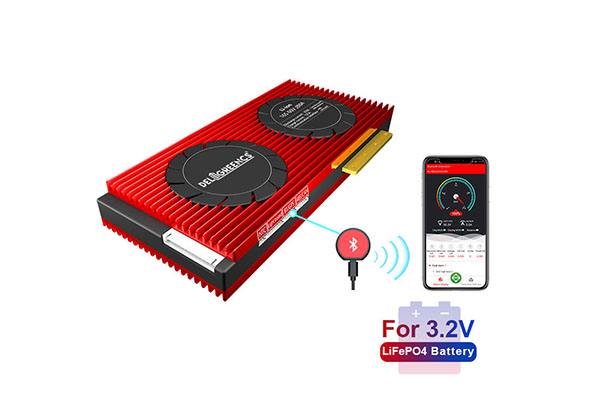
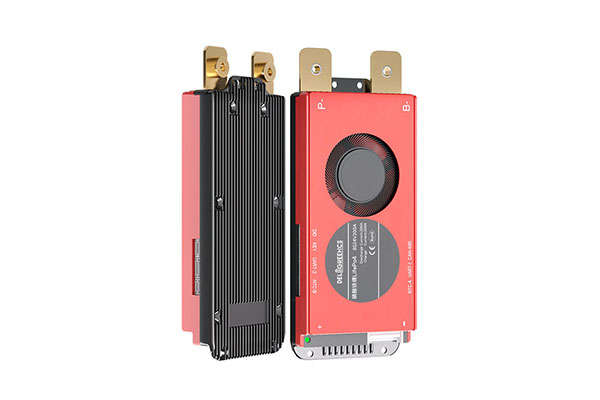
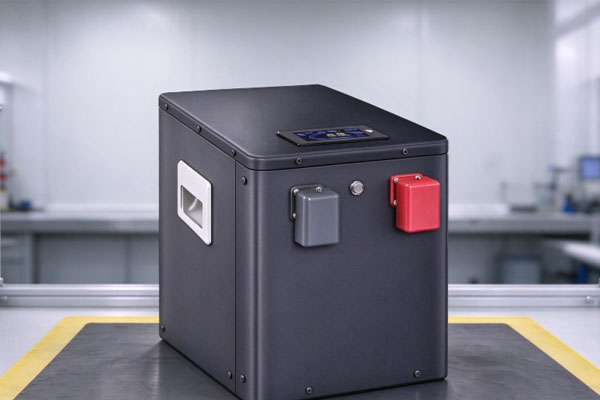
DIY battery boxes are widely used in custom power supplies, power tools, models, and small energy storage projects. Battery packs generate heat during charging and discharging. If the internal space is limited, airflow is restricted, or localized heat cannot be dissipated efficiently, excessive temperatures and larger temperature differences between cells may occur. When designing a cooling solution, it is important to consider not only cooling efficiency but also cell arrangement, enclosure materials, operating environment, and electrical safety. Selecting a suitable cooling method based on actual heat generation and planning the internal structure carefully can help maintain reliable battery box operation while meeting application requirements.
What Are the Common Cooling Methods for DIY Battery Boxes?
Different battery boxes vary in heat generation and structural design, so their cooling methods should be selected accordingly. Common options include the following.
- Natural Cooling: Heat is released through heat exchange between the battery box enclosure and the surrounding air. This method does not require additional fans or power components and is suitable for applications with relatively low heat generation. During design, avoid arranging cells too closely and leave sufficient space for heat transfer.
- Forced-Air Cooling with Fans: Fans move air through the enclosure to accelerate heat removal. This method is suitable for battery boxes operating under relatively high continuous loads or where natural cooling is insufficient. When installing fans, consider power consumption, operating noise, maintenance requirements, and the risk of dust and moisture entering the enclosure.
- Cooling Through Heat-Conductive Structures: Thermal pads, heat-conductive plates, or other suitable structures can transfer localized heat to areas where it can be dissipated more effectively. These designs must balance heat transfer efficiency with electrical insulation, particularly to prevent conductive components from contacting cell terminals or connections at different electrical potentials.
Before adding cooling components, evaluate the battery pack’s heat generation and operating conditions to determine which solution is necessary.
How Can the Cooling Efficiency of a DIY Battery Box Be Improved?
Cooling performance depends not only on the selected method but also on cell arrangement, airflow channels, and enclosure structure. Planning these details in advance can reduce localized heat accumulation and simplify future modifications.
- Arrange Appropriate Spacing Between Cells: Cylindrical cells can be secured using plastic honeycomb spacers or other suitable spacing structures. These help prevent cells from pressing against each other while leaving room for airflow. Spacing should be determined according to cell dimensions, spacer design, and cooling requirements. Avoid blocking airflow channels with insulating materials or mounting components.
- Optimize Fan Placement and Airflow Paths: Fans can be configured to blow air into or extract air from the enclosure. The choice should depend on inlet and outlet positions, internal airflow resistance, and the areas that require cooling. Exhaust fans paired with properly designed filtered air inlets can help reduce dust ingress. Intake fans can also provide effective cooling, provided that incoming air is filtered and the outlet path is properly designed to prevent airflow from passing through only localized areas.
- Choose Suitable Enclosure Materials: Enclosure materials affect how heat is transferred to the outside, but mechanical strength, weight, ease of fabrication, and insulation requirements must also be considered. When using metal enclosures or heat-conductive plates, pay particular attention to electrical hazards. Cooling performance must not come at the expense of electrical isolation.
Proper cell arrangement and airflow planning help reduce heat accumulation and provide more suitable cooling conditions for cells in different positions.
What Safety Issues Should Be Considered When Cooling a DIY Battery Box?
Cooling design must work together with the battery pack’s electrical structure and protection measures. Thermal structures must provide adequate insulation. When using thermal pads, aluminum plates, or similar components, verify their insulation performance, dielectric withstand capability, and temperature resistance to prevent short circuits caused by conductive parts bridging components at different electrical potentials. During installation, avoid damaging cell sleeves with spacers, fasteners, or thermal materials. Since enclosure surface temperature may not accurately reflect internal cell conditions, temperature sensors should be positioned according to cell arrangement and potential hotspots, with attention paid to temperature rise rates and temperature differences. Ventilation openings may allow dust and moisture to enter, so battery boxes used outdoors or in damp environments need appropriately designed air inlets, outlets, and filtration. Simply adding more openings is not always an adequate cooling solution.
How Can You Determine Whether a DIY Battery Box Cooling Method Is Suitable?
After assembly, test the cooling solution under actual operating conditions instead of relying solely on enclosure temperature or fan operation to assess its performance.
- Check Temperature Rise: Under charging and discharging conditions that comply with cell requirements, monitor temperatures at different locations in the battery pack and observe whether temperature changes remain stable. If a localized area heats up significantly, inspect the current load, electrical connections, and cooling paths.
- Verify Continuous Operating Performance: Short-duration tests may not reveal heat accumulation during prolonged operation. Validate the design under the actual load and operating duration to ensure that cell temperatures remain within the operating range specified by the manufacturer.
- Inspect Cooling Components Regularly: For fan-cooled designs, check fan operation and inspect filters and airflow channels for blockages. For heat-conductive structures, inspect mounting security, insulation integrity, and contact conditions. If abnormal temperature rises occur, stop using the battery box and investigate the cause.
Temperature records and targeted inspections help determine whether the existing solution is adequate and provide a basis for future structural adjustments.
The cooling method for a DIY battery box should be selected according to cell type, operating load, installation space, and environmental conditions. Natural cooling may be suitable for applications with low heat generation, while forced-air cooling can be considered for higher continuous loads. Suitable heat-conductive structures can also be used to improve localized heat transfer. For cylindrical cells, particular attention should be paid to spacer design and airflow channels. When using fans, plan the airflow direction and filtration measures carefully. When using metal cooling components, ensure reliable electrical insulation. Actual temperature testing, regular inspections, and appropriate protection measures help DIY battery boxes achieve a balance between cooling performance, structural reliability, and operational safety.