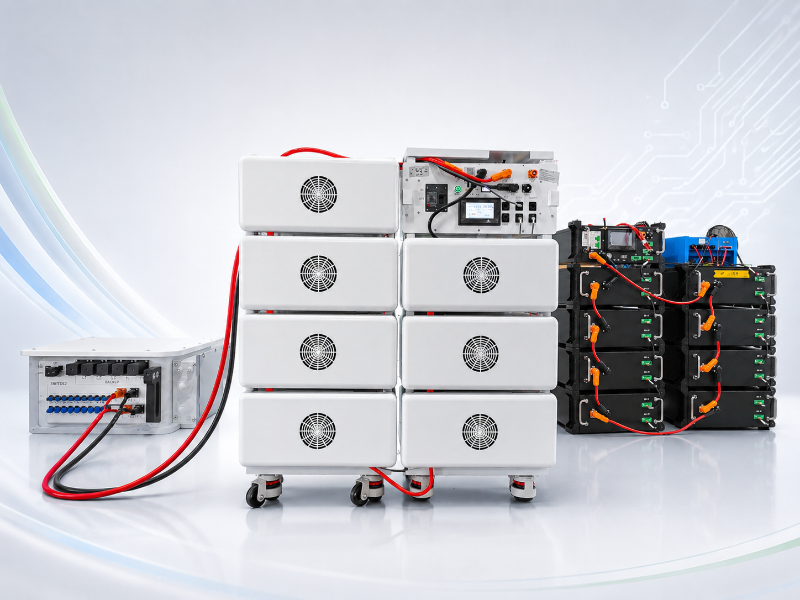
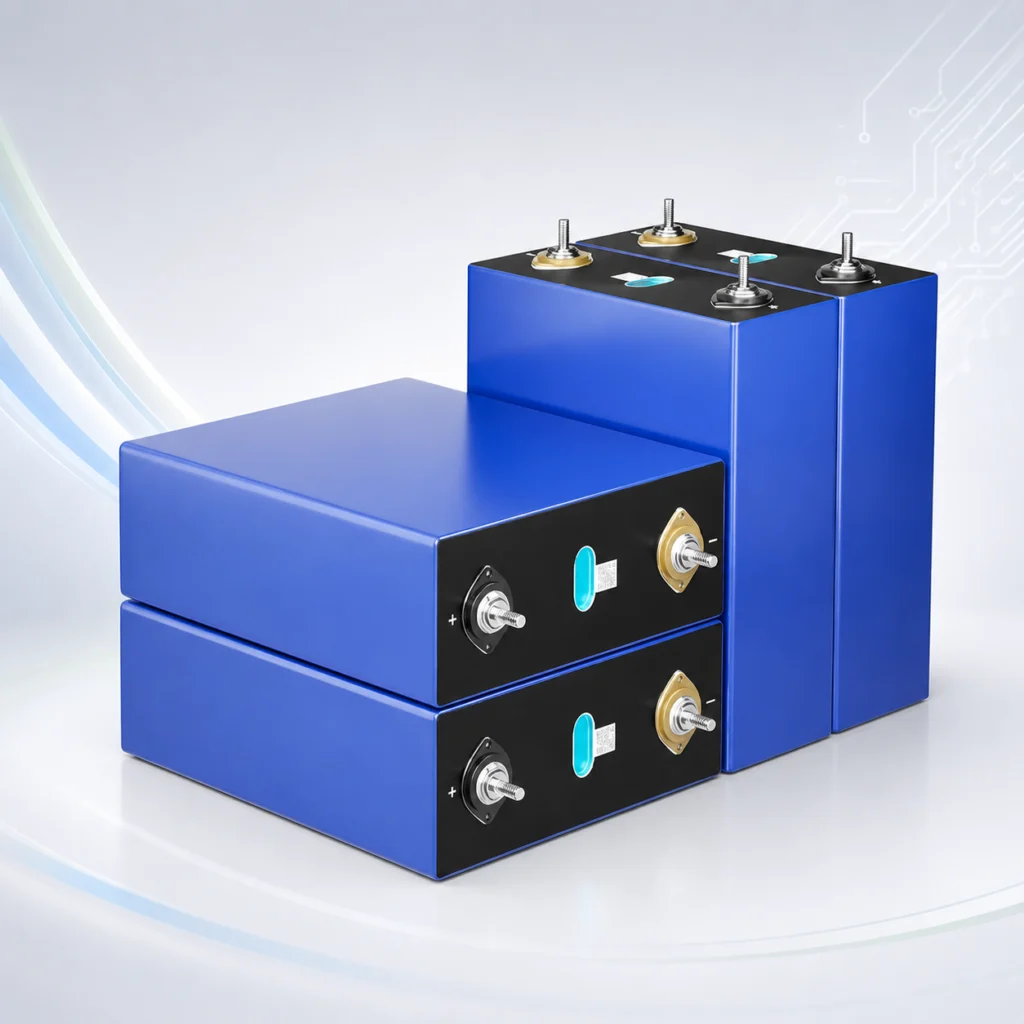
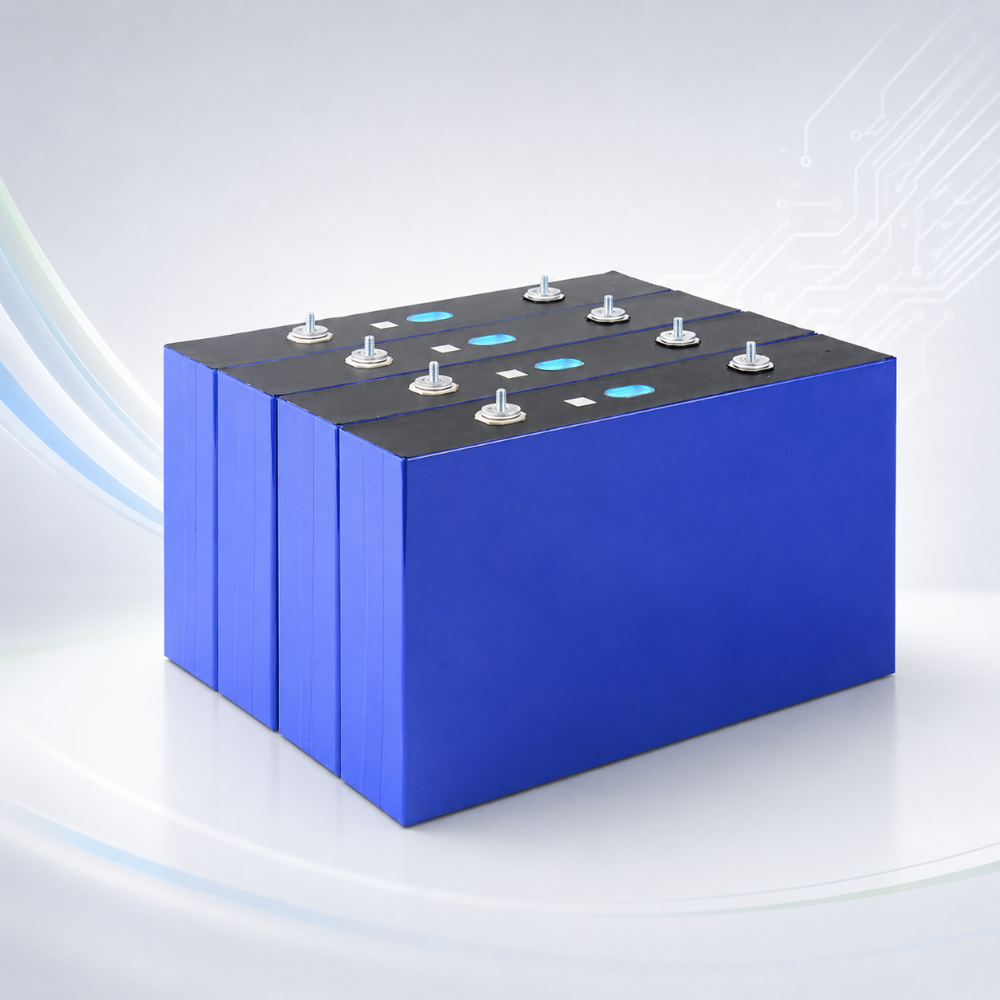
When charging a LiFePO4 battery, many users encounter a common question: the charger indicates a full charge, but the voltage is higher than expected. After disconnecting the charger, the voltage gradually drops. Is this normal? What voltage should a 12V, 24V, or 48V battery pack display when fully charged? If the reading is unexpected, is the charger incorrectly configured, or is there a problem with the battery itself? The key is that nominal voltage and end-of-charge voltage are not the same, and readings can vary depending on when the measurement is taken. Understanding these differences helps you choose the right charger, assess battery condition, and avoid unnecessary problems with energy storage systems and electrical equipment.

What Is the Full-Charge Voltage of a LiFePO4 Battery?
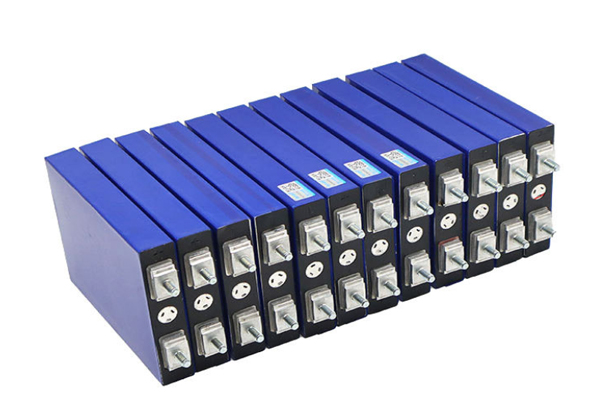
A single LiFePO4 cell typically has a nominal voltage of 3.2V, with a common charging voltage of 3.55V to 3.65V near the end of charging. The number of cells connected in series directly affects the total voltage of the battery pack. When choosing a battery, don’t focus only on the advertised 12V, 24V, or 48V rating. You also need to confirm the required charging voltage.
Here are the typical voltage ranges for common battery packs:
- 12V battery pack: 12.8V nominal voltage, approximately 14.2V–14.6V at the end of charging.
- 24V battery pack: 25.6V nominal voltage, approximately 28.4V–29.2V at the end of charging.
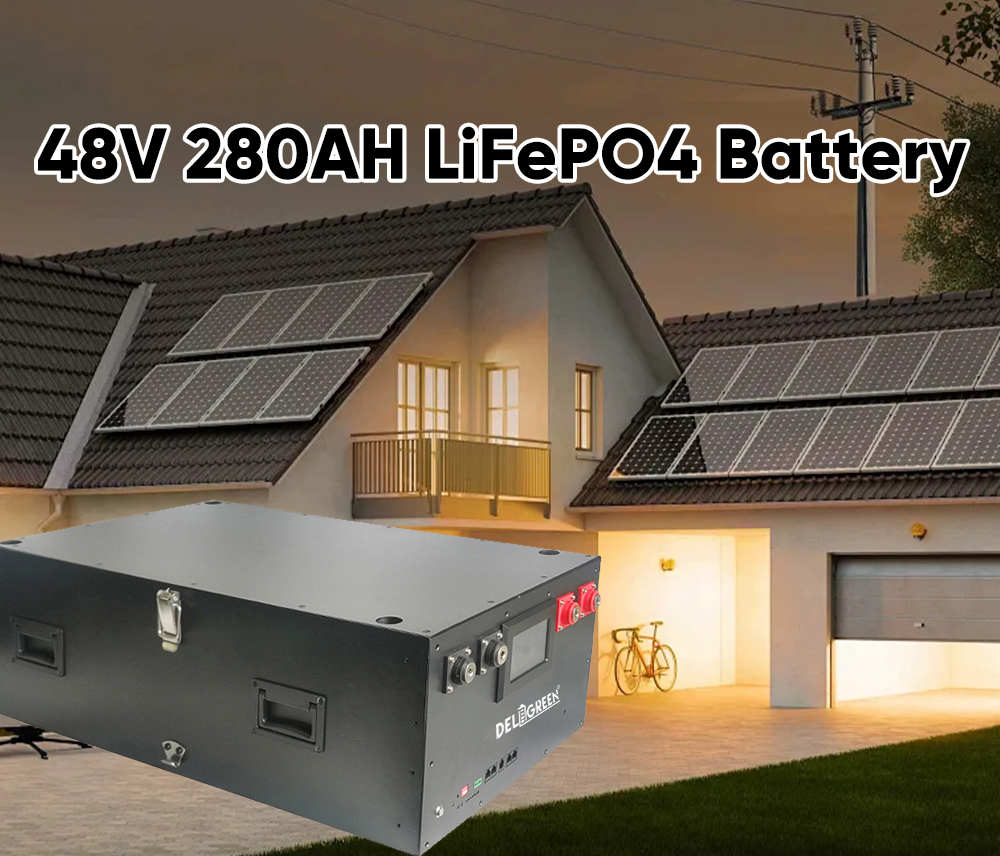
- 48V battery pack: 51.2V nominal voltage, approximately 56.8V–58.4V at the end of charging.
These values apply to common 4S, 8S, and 16S LiFePO4 battery configurations. The actual charging voltage should follow the cell specifications and battery manufacturer’s recommendations. Some batteries use lower charging voltages to meet specific service-life or operating requirements, so not every battery needs to reach the maximum voltage. For solar energy storage systems and industrial equipment that operate for extended periods, matching the charging parameters to the battery specifications is particularly important.
Why Does LiFePO4 Battery Voltage Drop After a Full Charge?
A 12.8V LiFePO4 battery may read close to 14.4V when the charger indicates a full charge, then drop to around 13.4V after the charger is disconnected. This can make users worry that the battery is not fully charged or that its capacity has degraded. In fact, a voltage drop after charging is common. What matters is whether the drop falls within the battery’s normal operating behavior and whether the battery continues to perform reliably.
- Natural voltage recovery: Cell voltage gradually stabilizes after charging stops.
- Temperature changes: Battery temperature can affect voltage readings.
- Differences in cell condition: Aging or capacity variations may cause inconsistent readings.
If the voltage stabilizes and the equipment operates normally, this change alone does not necessarily indicate a battery fault. However, if the voltage continues to fall abnormally, the battery runs out of power quickly, or the Battery Management System (BMS) frequently triggers protection, further inspection is necessary. LiFePO4 batteries have a relatively flat voltage curve, so resting voltage alone cannot accurately determine the remaining charge. For a more reliable assessment, check BMS data and actual discharge performance.
How Should You Set the Charging Voltage for a LiFePO4 Battery?
An incorrect charging voltage may prevent a battery from reaching the desired charge level or cause an individual cell to trigger overvoltage protection prematurely. This is particularly important for battery packs used in solar energy storage, RV power systems, and industrial equipment, where charging parameters can affect daily operation. When choosing a charger, check the battery’s nominal voltage, series configuration, permitted charging voltage, and BMS protection settings. Do not simply reuse the charging settings intended for lead-acid batteries.
- Check the specifications: Confirm the permitted charging voltage.
- Choose a compatible charger: Use a charger designed for LiFePO4 batteries.
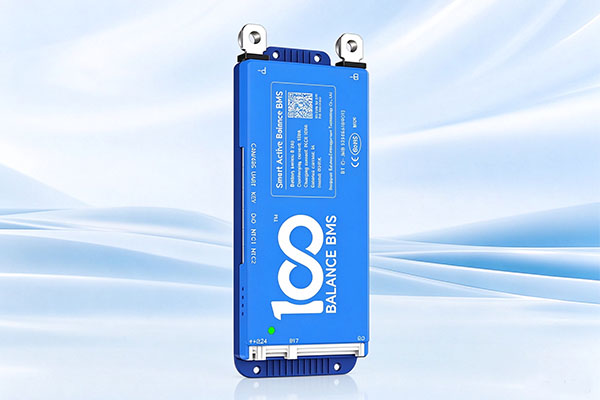
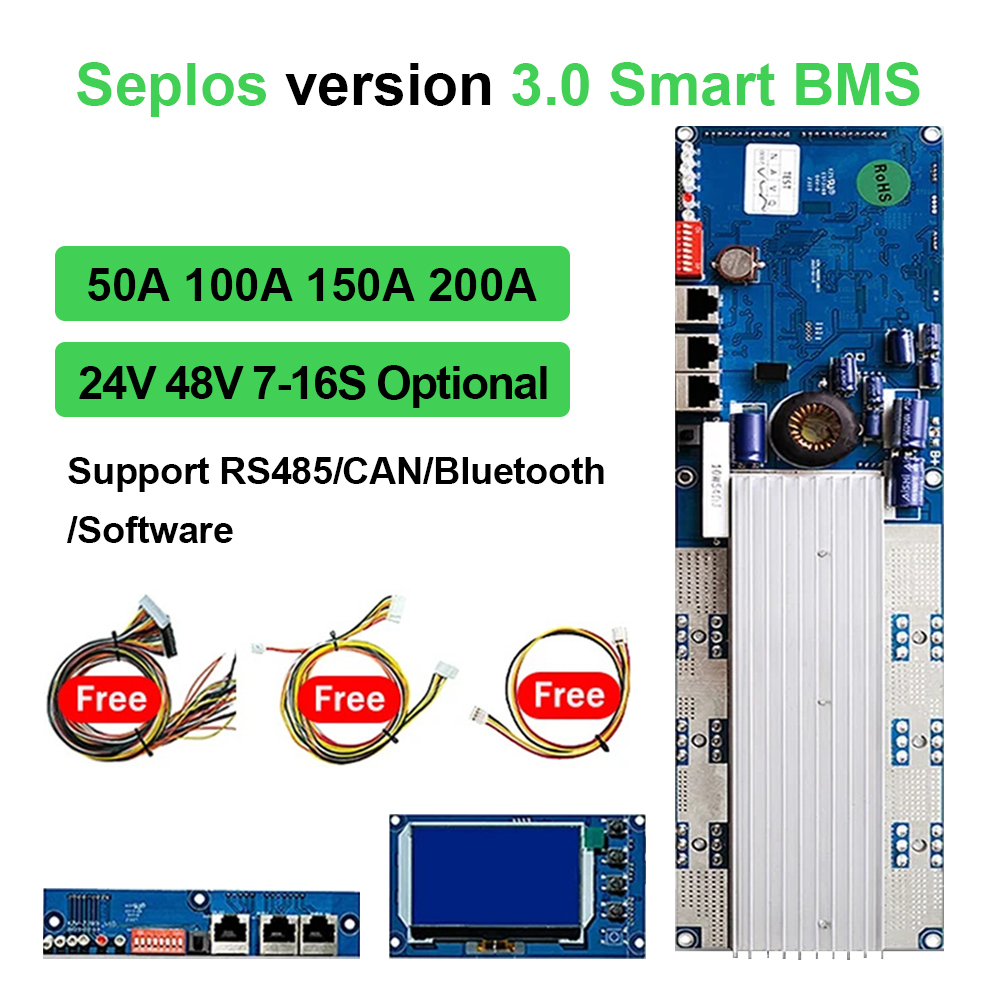
- Verify the BMS: Make sure overvoltage protection is configured appropriately.
- Monitor temperature: Follow the battery’s recommended charging temperature limits.
If an individual cell triggers protection before the battery pack reaches its target voltage, do not immediately increase the charging voltage. The issue could be caused by cell imbalance, insufficient balancing, or faulty voltage-sensing connections. Identify the cause before making adjustments. Proper charging settings should do more than charge the battery fully. They should also help protect the cells and support long-term battery performance.
How Can You Tell If a LiFePO4 Battery Is Fully Charged?
A single multimeter reading cannot reliably confirm whether a battery is fully charged. A more practical approach is to check whether the charger has completed its charging cycle, whether the individual cell voltages reported by the BMS are within the expected range, and whether the charging current has gradually decreased as intended. For battery packs used in long-term energy storage, regularly recording charging and discharging data can help you track capacity and voltage changes. If charging repeatedly stops unexpectedly, one cell shows significantly higher voltage than the others, or the battery’s runtime becomes noticeably shorter, further inspection is necessary rather than repeatedly charging the battery or increasing the voltage. For battery packs without battery monitoring functions, a properly conducted capacity test can provide a more reliable estimate of usable energy than resting voltage alone.
The full-charge voltage of a LiFePO4 battery depends on the number of cells connected in series, charging parameters, and battery management settings. Common 12.8V, 25.6V, and 51.2V battery packs typically reach approximately 14.2V–14.6V, 28.4V–29.2V, and 56.8V–58.4V near the end of charging, respectively. Actual values should always follow the product specifications. If you are looking for LiFePO4 batteries for solar energy storage, RV power systems, or industrial equipment, or need custom battery packs, DIY battery boxes, or BMS accessories, feel free to contact us. Tell us your voltage, capacity, and application requirements, and we can recommend suitable battery configurations and energy storage solutions to help you make the right choice.