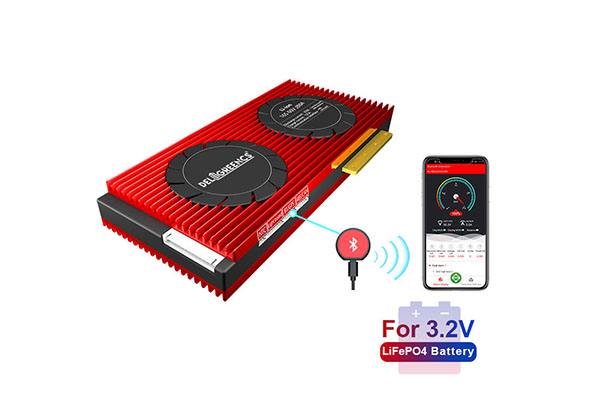
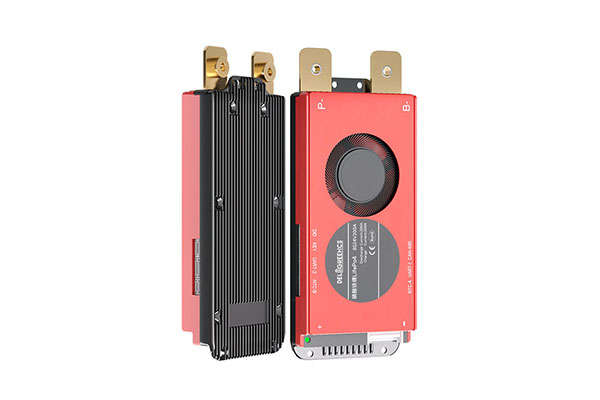
In lithium battery energy storage systems, a BMS (Battery Management System) does more than monitor battery voltage, current, and temperature. It also automatically limits or disconnects charging and discharging when abnormal conditions are detected. For residential energy storage, commercial energy storage, and industrial battery applications, these protection mechanisms help reduce the risks of overcharging, over-discharging, overcurrent, and overheating.
However, an automatic BMS shutdown does not necessarily mean that the battery is damaged. It may indicate that the system has detected operating parameters outside the permitted safety range or identified problems with communication, wiring, or configuration. Understanding why a BMS disconnects the battery can help users troubleshoot problems efficiently and maintain stable system operation.

Why Does a BMS Automatically Disconnect Lithium Battery Charging and Discharging?
Battery Voltage Exceeds the Safe Operating Range
Overcharging and over-discharging are common reasons for BMS protection. When an individual cell exceeds its specified upper voltage limit, the BMS can activate overvoltage protection and stop or limit charging. This helps prevent the cell from remaining at an excessively high voltage.
When a cell voltage falls below the configured lower limit, the BMS may activate undervoltage protection and disconnect the discharge circuit. This prevents further discharge that could cause irreversible battery damage.
A BMS typically monitors individual cell voltages as well as the total battery pack voltage. Even if the overall pack voltage appears normal, an individual cell that reaches an overvoltage or undervoltage threshold may trigger protection.
Charging or Discharging Current Is Too High
When the charging or discharging current exceeds the permitted range, the BMS may activate overcurrent protection. If a short circuit occurs, the system may also trigger short-circuit protection and disconnect the relevant circuit rapidly, depending on its design and operating conditions.
Overcurrent problems may result from excessive load demand, incompatible charger settings, high motor startup currents, or faulty wiring. Troubleshooting should therefore include checking the load requirements, inverter parameters, charger settings, and electrical connections rather than immediately assuming that the BMS is defective.
Battery Temperature Is Too High or Too Low
Temperature affects lithium battery performance and safety. When cell temperature exceeds the upper limit specified by the manufacturer, the BMS can restrict charging and discharging or disconnect the circuit when necessary. In cold environments, the BMS may also prohibit charging if the battery temperature falls below the permitted charging range, helping reduce the risk of lithium plating.
For energy storage systems installed outdoors, in garages, or in industrial facilities, users should monitor ambient temperature, cooling conditions, and temperature sensor performance. Improving ventilation, checking cooling equipment, and configuring a preheating system according to battery specifications can help reduce temperature-related protection events.
What Other Issues Can Cause a BMS to Disconnect the Battery?
Excessive Voltage Differences Between Cells
If the voltage difference between individual cells becomes too large, some cells may reach their overvoltage or undervoltage thresholds earlier than others. Even when the battery pack has not reached its overall capacity limit, the BMS may restrict charging or discharging because an individual cell has reached a protection threshold.
Cell imbalance may result from differences in cell aging, capacity, electrical connections, or insufficient balancing. Reviewing individual cell voltage readings, checking connections, and performing cell balancing according to the manufacturer’s instructions can help identify and address the problem.
Incorrect BMS Parameter Settings
BMS protection thresholds for overvoltage, undervoltage, overcurrent, and temperature must match the battery cell specifications. Incorrect settings may cause frequent shutdowns during normal operation, while excessively permissive thresholds may prevent the system from providing adequate protection when needed.
When configuring a BMS, users should consult the technical documentation provided by the cell manufacturer and verify compatibility between the BMS, inverter, and charging equipment. Protection thresholds should not be changed arbitrarily, and safety protection functions should never be disabled without proper technical authorization.
Communication or Wiring Problems
In some energy storage systems, the BMS communicates with inverters, Energy Management Systems (EMS), and other devices through interfaces such as CAN or RS485. Communication interruptions, incompatible protocols, loose connectors, or abnormal voltage sampling wires may cause the system to enter a protective state or stop charging and discharging.
In these situations, users should inspect communication cables, wiring arrangements, device configurations, and fault logs. Troubleshooting should follow the operating instructions provided by the equipment manufacturer.
What Should You Do After a BMS Automatically Disconnects Charging and Discharging?
Check Alarm Codes and Operating Data
After a protection event occurs, review the BMS alarm messages, individual cell voltages, battery temperatures, and current readings. These details help identify the specific condition that triggered the protection mechanism.
Different protection events require different solutions. The cause should not be determined solely from the fact that the battery has stopped operating.
Inspect External Equipment and Operating Conditions
Check whether the charger, inverter, electrical loads, and wiring connections are functioning correctly. Also inspect the battery for abnormal heat, unusual odors, or visible deformation.
If the battery shows signs of severe overheating, smoke, or swelling, stop operating the system and move away from the potential hazard when it is safe to do so. Contact qualified professionals for further assessment and handling.
Resume Operation Only After Resolving the Problem
The system should only be restarted after the underlying cause has been identified and resolved, and the manufacturer’s recovery requirements have been satisfied.
Repeatedly forcing a reset or bypassing BMS protection to restore power is not a safe troubleshooting method. Protective shutdowns should be treated as important indicators of the battery system’s operating condition.
How to Choose a BMS with Reliable Protection Functions
When selecting a BMS, prioritize overvoltage, undervoltage, overcurrent, short-circuit, and high- and low-temperature protection. You should also verify whether individual cell voltage monitoring, temperature sensing, cell balancing, and communication interfaces meet the requirements of the intended application.
Deligreen offers lithium iron phosphate (LiFePO4) cells, battery packs, BMS accessories, and energy storage system products for residential, commercial, and industrial applications.
For system integrators and battery manufacturers, BMS selection should consider battery capacity, maximum charging and discharging current, operating environment, and inverter compatibility. Confirming the protection capabilities and configuration requirements of the specific product helps ensure reliable system integration.
Conclusion
When a BMS automatically disconnects lithium battery charging and discharging, it is usually responding to abnormal voltage, current, temperature, or other operating conditions. Reviewing alarm messages, checking cell status, verifying equipment parameters, and inspecting communication wiring can help determine the underlying cause.
Choosing an appropriate BMS and ensuring compatibility with the battery, inverter, and charging equipment are essential steps toward improving the safety, stability, and service life of an energy storage system.