Cylindrical batteries are widely used in power tools, energy storage systems, and portable electronic devices. Temperature changes can affect their charging and discharging performance, service life, and operational safety. Battery cells generate heat during operation, and when multiple cells are assembled into a battery pack, temperature differences may develop due to variations in cell positioning and heat dissipation conditions. Therefore, temperature management involves not only controlling the overall battery temperature but also addressing localized heat accumulation, temperature differences between cells, and abnormal operating conditions. Developing an appropriate management strategy based on equipment load, installation space, and operating environment helps improve battery pack stability.

How Can the Operating Temperature of Cylindrical Batteries Be Controlled?
Controlling heat generation can reduce the burden on the cooling system. The following aspects deserve particular attention during daily use.
- Set Appropriate Charging and Discharging Parameters: Excessive current may increase heat generation within battery cells. Charging and discharging currents should be set according to cell specifications and manufacturer requirements, avoiding continuous operation beyond the permitted limits.
- Control Ambient Temperature: High ambient temperatures increase the thermal burden on batteries, while charging at low temperatures may increase the risk of lithium plating. Before use, confirm the permitted operating and charging temperature ranges. Where necessary, use measures such as preheating or limiting the charging current.
- Reduce the Impact of External Heat Sources: Heat generated by motors and power components may transfer to the battery compartment. During equipment design, components should be positioned appropriately to prevent battery cells from being exposed to nearby high-temperature components for extended periods.
By regulating operating parameters and controlling external heat sources, unnecessary temperature increases can be reduced at the source.
How Can the Heat Dissipation of Cylindrical Batteries Be Improved?
The cooling structure should match the thermal load and spatial layout of the battery pack while maintaining temperature uniformity between cells.
- Optimize Cell Arrangement: When cylindrical cells are assembled into an array, the central and peripheral regions may have different heat dissipation conditions. Cell spacing and cooling paths should be designed appropriately to reduce localized heat accumulation.
- Balance Thermal Conductivity and Electrical Insulation: The metal casing of a battery cell may be at a specific electrical potential, so electrical isolation requirements must be considered when designing thermal management structures. Before using thermal pads, thermal adhesives, or metal cooling components, check the condition of the cell wrapping and terminal insulation. Select suitable thermally conductive insulating materials according to the actual requirements to prevent short circuits caused by conductive components.
- Choose an Appropriate Cooling Method: Air cooling is suitable when airflow can meet the required heat dissipation needs. For battery packs with higher thermal loads, conductive structures or liquid cooling can be evaluated according to the design conditions. The selection should consider cooling capacity, installation space, insulation requirements, and maintenance costs.
- Improve Temperature Uniformity: Cell positioning, coolant flow, and heat transfer paths all affect temperature differences. Temperature test results should guide adjustments to cooling channels and thermal structures to prevent certain cells from remaining at consistently higher temperatures.
Cooling design should meet both heat removal and electrical safety requirements, with adjustments made according to actual test results.
How Can Battery Temperature Be Managed Through Monitoring and Protection?
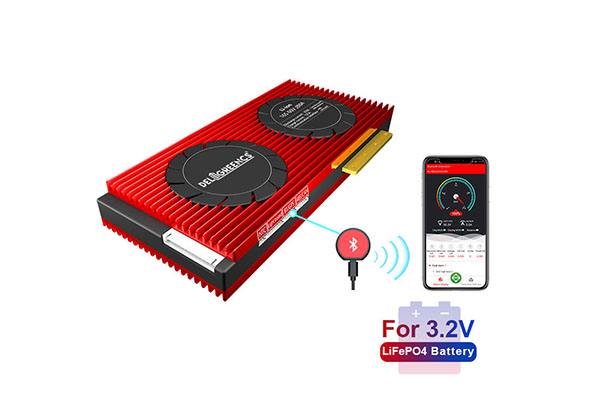
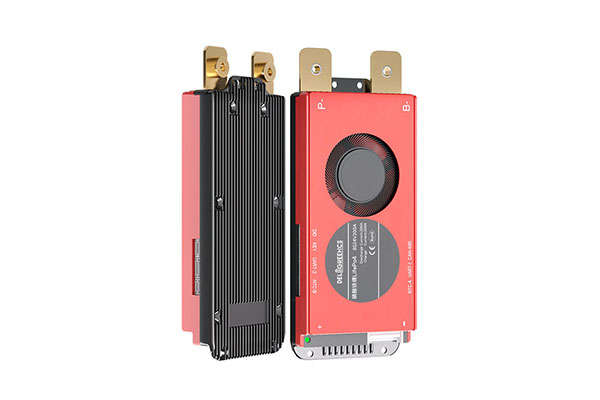
Temperature monitoring helps identify abnormal heating. Proper sensor placement and protection settings are essential for stable battery operation. Sensors should be positioned according to the battery pack structure and thermal distribution, with particular attention to high-temperature areas or locations with poor heat dissipation. Too few measuring points may fail to detect localized abnormalities. A battery management system (BMS) can monitor temperature, limit charging and discharging, or initiate shutdown according to cell specifications and equipment requirements. Protection thresholds should comply with manufacturer requirements and account for sensor accuracy and operating conditions. In addition to maximum temperature, temperature differences between cells should also be monitored. If certain cells heat up significantly faster than others under the same load, or if temperature differences continue to increase, the cooling conditions, electrical connections, and load distribution should be inspected.
What Should Be Considered During Routine Maintenance of Cylindrical Batteries?
Regular maintenance helps identify abnormalities in cooling and connection components, reducing the risk of failures during long-term operation.
- Inspect Cooling Components: For equipment using air cooling, remove dust and debris from air inlets, outlets, and ducts. Check fan operation to prevent restricted airflow.
- Check Connections and Insulation: Loose connections or poor electrical contact may cause localized heating. Check for loose or discolored connectors and damaged insulation. If abnormalities are found, shut down the equipment and inspect it according to the equipment requirements.
- Monitor Cell Condition: If a cell shows swelling, leakage, an unusual odor, smoke, or an abnormally rapid temperature rise, stop using the battery and follow the applicable safety procedures. Do not continue charging or discharging the cell or attempt to dismantle it yourself.
- Schedule Inspections According to Operating Conditions: Equipment subjected to frequent charging and discharging, heavy loads, or significant ambient temperature changes should have a maintenance schedule based on operating records and manufacturer requirements.
Targeted inspections help identify problems that may affect battery safety and heat dissipation, preventing abnormal conditions from continuing to develop.
Temperature management for cylindrical batteries requires a coordinated approach based on operating conditions, cooling structures, and protection systems. Regulating charging and discharging parameters helps reduce heat generation, while appropriate thermal conduction and cooling designs improve temperature distribution. Sensors and protection mechanisms help identify abnormal operating conditions. For battery packs containing multiple cells, temperature differences between different positions also require particular attention to prevent localized overheating from affecting overall operation. Regular inspections and ongoing optimization based on actual requirements help balance battery performance, service life, and operational safety.