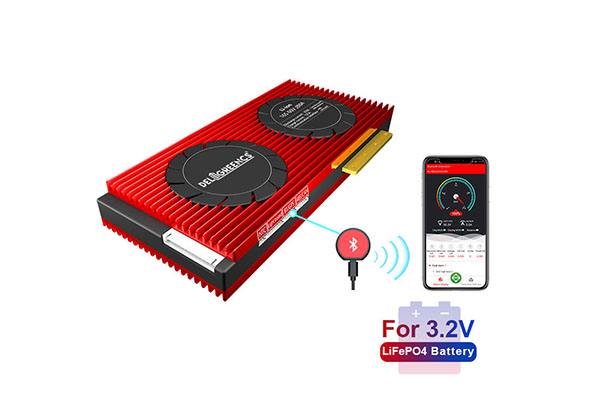
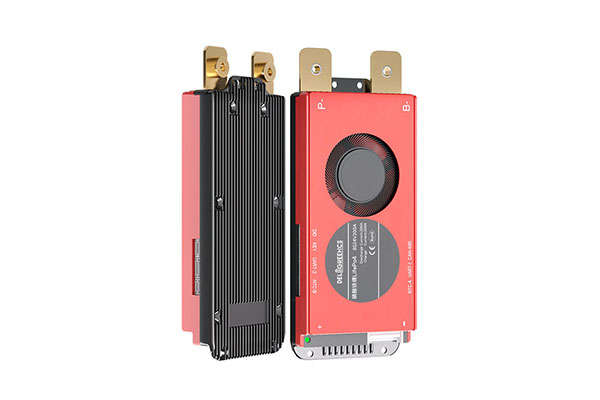
A Battery Management System (BMS) is an essential component for the safe operation of lithium batteries. It monitors battery voltage, current, and temperature and activates appropriate protection mechanisms when abnormal conditions occur. Overcurrent and short circuits are two major electrical faults that lithium battery systems must guard against. These faults can cause overheating, damage to electrical connections, and, in severe cases, increase the risk of thermal runaway. Understanding how BMS overcurrent and short-circuit protection works helps users select suitable battery management solutions and improve the reliability of energy storage systems.
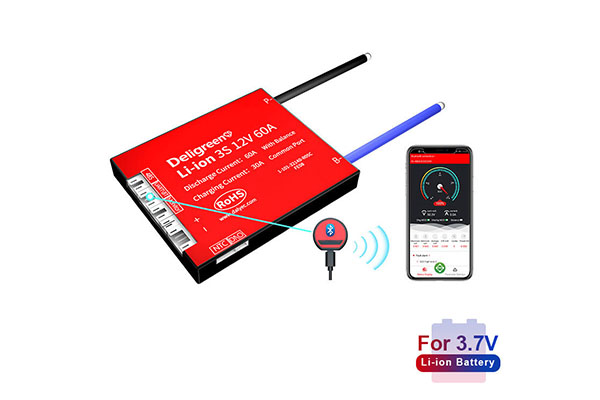
What Are BMS Overcurrent and Short-Circuit Protection?
Understanding BMS Overcurrent Protection
Overcurrent occurs when the charging or discharging current exceeds a predefined safe range. It can result from excessive load demand, high motor startup currents, incompatible charging equipment, or improper system design.
When current exceeds the permissible limits of battery cells, cables, or protective components, heat generation in the battery and external circuits increases. Prolonged overcurrent may accelerate battery aging and damage connectors, wiring, and power components. Therefore, a BMS typically requires separate overcurrent protection thresholds for charging and discharging.
Understanding BMS Short-Circuit Protection
A short circuit occurs when an unintended low-resistance path forms in an electrical circuit, causing the current to rise rapidly. Accidental contact between the positive and negative battery terminals, damaged cable insulation, and internal equipment failures can all lead to short circuits.
Compared with ordinary overcurrent conditions, short-circuit currents generally increase more rapidly and can cause more severe damage. Short-circuit protection therefore focuses on detecting faults quickly and interrupting current promptly to prevent further damage.
How Does BMS Overcurrent Protection Work?
Real-Time Battery Current Monitoring
A BMS can measure charging and discharging current using devices such as shunt resistors and Hall-effect current sensors. The measurements are sent to the control unit, which evaluates the current direction, magnitude, and duration to determine whether the battery is operating within its normal range.
Different sensors vary in measurement accuracy, response speed, and applicable current range. The appropriate solution depends on battery capacity, rated current, and overall system design.
Detecting Overcurrent Thresholds
When the measured current exceeds a preset value, the BMS evaluates the severity of the condition according to its protection logic. Some systems use a time delay to avoid unnecessary shutdowns caused by brief startup currents or temporary load fluctuations. When the current exceeds a higher fault threshold, the system may respond more quickly.
Overcurrent thresholds should not simply be set as low as possible. Thresholds that are too low may interfere with normal equipment startup, while thresholds that are too high may prevent timely protection of the battery and associated electrical components.
Interrupting Current and Entering Protection Mode
Once an overcurrent fault is confirmed, the BMS can turn off the charging or discharging MOSFETs, disconnect the circuit through contactors, or send a stop-charging or stop-discharging command to external equipment. The specific response depends on the BMS hardware architecture and system integration design.
After the fault is cleared, the system may recover automatically according to predefined conditions or require manual inspection and reset. An appropriate recovery mechanism helps prevent repeated faults.
How Does BMS Short-Circuit Protection Provide a Fast Response?
Rapid Detection of Abnormally High Current
When a short circuit occurs, the current may rise dramatically within a very short period. A BMS uses current detection circuits and fast protection logic to identify the abnormal condition and activate short-circuit protection according to the system design.
However, detection and interruption speeds are limited by the sensor, control circuit, and switching devices. Not every BMS can independently interrupt every type of short-circuit fault.
Coordinating with Fuses and Circuit Breakers
In practical lithium battery systems, a BMS should not be the only short-circuit protection measure. Fuses, DC circuit breakers, and other protective devices can interrupt the circuit when fault current reaches specified conditions, providing an additional layer of protection.
These devices must be selected according to the maximum prospective short-circuit current, rated voltage, breaking capacity, and circuit characteristics. This helps ensure that they can carry normal operating current while interrupting the circuit reliably during a fault.
What Are the Benefits of Overcurrent and Short-Circuit Protection?
Overcurrent and short-circuit protection reduce the risk of overheating caused by abnormal current and help prevent damage to battery cells, wiring, connectors, and power components. In residential energy storage, commercial energy storage, and industrial power applications, these functions also improve system stability and can reduce equipment failures and maintenance costs.
However, protection effectiveness depends not only on the BMS itself but also on cell specifications, circuit design, heat dissipation, and external protective devices. A comprehensive electrical safety system requires all these components to work together.
How to Choose a BMS with Reliable Protection Functions
When selecting a BMS, buyers should verify charging and discharging overcurrent protection, short-circuit protection, temperature monitoring, protection response times, and fault recovery mechanisms. Battery chemistry, series and parallel configurations, continuous operating current, and peak current requirements should also be checked.
Deligreen offers LiFePO4 cells, battery packs, BMS products, and energy storage systems for residential, commercial, and industrial applications. For specific projects, buyers should evaluate the protection capabilities of the selected BMS model based on load characteristics, anticipated fault currents, and system communication requirements. Fuses, circuit breakers, and other external protective devices should also be configured appropriately.
Conclusion
A BMS detects and responds to lithium battery overcurrent and short-circuit faults through current monitoring, threshold evaluation, and protective control. Properly configured protection parameters, combined with fuses, circuit breakers, and compliant electrical design, can further improve the safety and reliability of battery systems.