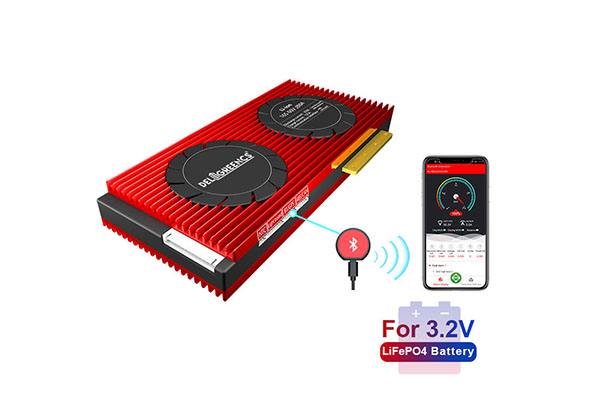
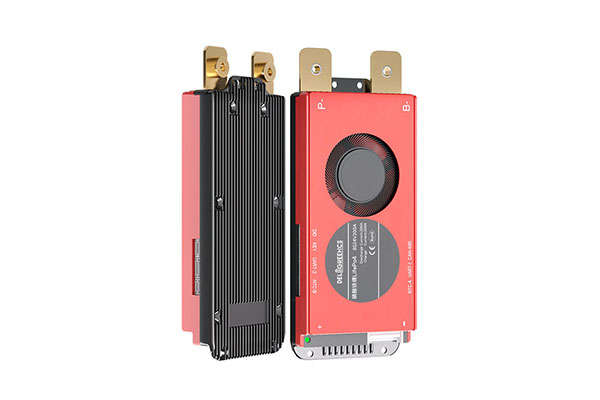
A Battery Management System (BMS) is an essential component for the safe operation of lithium battery packs. It is widely used in residential energy storage, commercial and industrial energy storage, electric vehicles, and RV power systems. By collecting battery operating data, analyzing abnormal conditions, and implementing protective measures, a BMS helps maintain stable battery performance. Understanding its core components enables businesses to evaluate product performance, protection capabilities, and system compatibility when selecting a battery management solution.
Core Components and Working Principles of a BMS
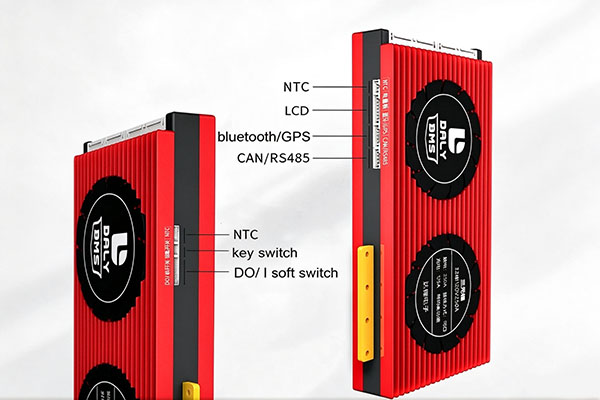
A BMS typically consists of voltage sampling circuits, temperature sensors, current detection modules, a main control circuit, balancing circuits, and communication interfaces. The configuration varies between models, but these components generally work together to monitor battery conditions and manage operational safety.
Voltage Sensors and Sampling Circuits
Voltage monitoring is one of the fundamental functions of a BMS. Voltage sampling circuits measure the total battery pack voltage and the voltage of individual cells connected in series. This information helps the control system identify overcharging, over-discharging, and inconsistencies in cell voltage.
For a LiFePO4 battery pack consisting of multiple cells connected in series, monitoring only the total pack voltage is insufficient to fully understand the condition of each cell. Even when the total pack voltage remains within the normal range, individual cells may experience excessive or insufficient voltage. Therefore, multi-cell battery packs typically require individual cell voltage monitoring and protective actions based on predefined thresholds.
Temperature Sensors
Battery temperature affects charging and discharging performance, service life, and operational safety. A BMS commonly uses temperature-sensing components such as NTC thermistors to monitor the temperature of battery cells, connection areas, or power components.
When the temperature exceeds the specified range, the BMS can limit charging or discharging current according to its control strategy or disconnect the relevant circuit. Low-temperature charging also requires particular attention for LiFePO4 batteries, as improper charging at low temperatures may increase the risk of cell damage. Appropriate temperature monitoring and protection settings help reduce the likelihood of abnormal operating conditions.
Current Detection Modules
Current detection modules measure the current flowing into and out of a battery during charging and discharging. Common solutions include shunt resistors and Hall-effect current sensors. These technologies differ in measurement accuracy, power consumption, isolation characteristics, and cost.
By combining voltage and current data, a BMS can determine whether the battery has exceeded its continuous current limits. These measurements also provide essential information for estimating the battery’s remaining state of charge. Accurate current detection is particularly important for energy storage systems and high-power battery packs.
How Does the BMS Control Circuit Manage the Battery?
Main Controller and Protection Logic
The main control circuit typically uses a microcontroller or a dedicated battery monitoring chip to process sampling data, evaluate battery conditions, and execute predefined control actions.
For example, when an individual cell reaches the overvoltage protection threshold, the control circuit can stop charging. If the battery temperature becomes abnormal or the discharge current becomes excessive, the system can limit the output or disconnect the circuit, depending on its design. Protection thresholds should be determined according to the cell specifications and overall system design rather than applying universal values to every battery.
Cell Balancing Circuits
Differences in manufacturing characteristics and operating conditions can cause the voltage and capacity of cells connected in series to diverge over time. Balancing circuits help improve consistency between cells. The two common methods are passive balancing and active balancing.
Passive balancing typically dissipates excess energy through resistors and has a relatively simple structure. Active balancing transfers energy between cells through dedicated circuits, with its efficiency and suitability depending on the design. Cell balancing cannot repair damaged cells, but it can help reduce the impact of cell imbalance on usable battery capacity and overall performance.
Communication Interfaces and Data Management
An intelligent BMS may include CAN, RS485, or Bluetooth communication interfaces to transmit battery voltage, temperature, current, alarms, and other operating information to inverters, energy management systems, or monitoring terminals. Communication protocols and data definitions must be compatible with the connected equipment.
How to Choose the Right BMS
When selecting a BMS, consider the battery chemistry, number of cells connected in series, continuous charging and discharging current, temperature monitoring points, balancing method, and communication requirements. For residential, commercial, and industrial energy storage applications, compatibility with inverters, charging equipment, and other control systems should also be verified.
Deligreen provides battery packs, BMS-related accessories, and energy storage products. Product configurations can be evaluated according to project requirements, including voltage, capacity, communication methods, and overall system design. For OEM/ODM projects, defining battery specifications, protection requirements, and installation conditions in advance can improve selection efficiency and reduce compatibility issues during system integration.
Conclusion
The core components of a BMS include voltage sampling circuits, temperature sensors, current detection modules, the main control circuit, balancing circuits, and communication interfaces. Voltage monitoring identifies abnormal cell voltages, temperature sensors help manage thermal risks, and current detection works with the control circuit to implement charging, discharging, and protection strategies.
Properly configuring these components can improve the safety, stability, and maintainability of lithium battery systems. When selecting a BMS, evaluate its functions against the actual application requirements and battery specifications rather than relying solely on price or a single technical parameter.