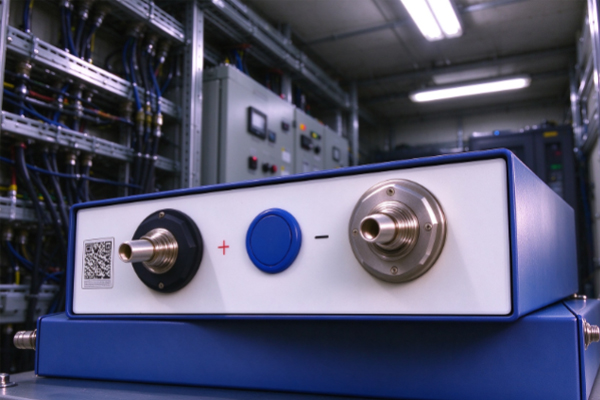
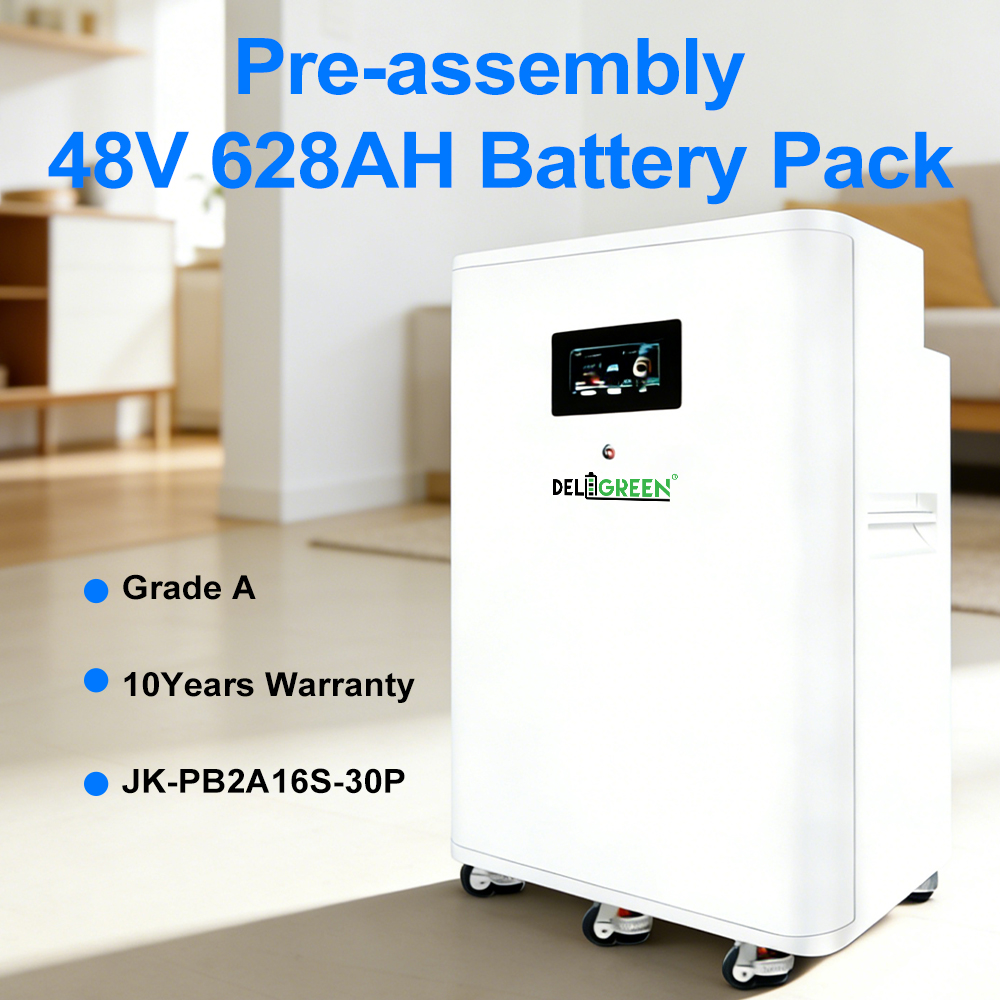
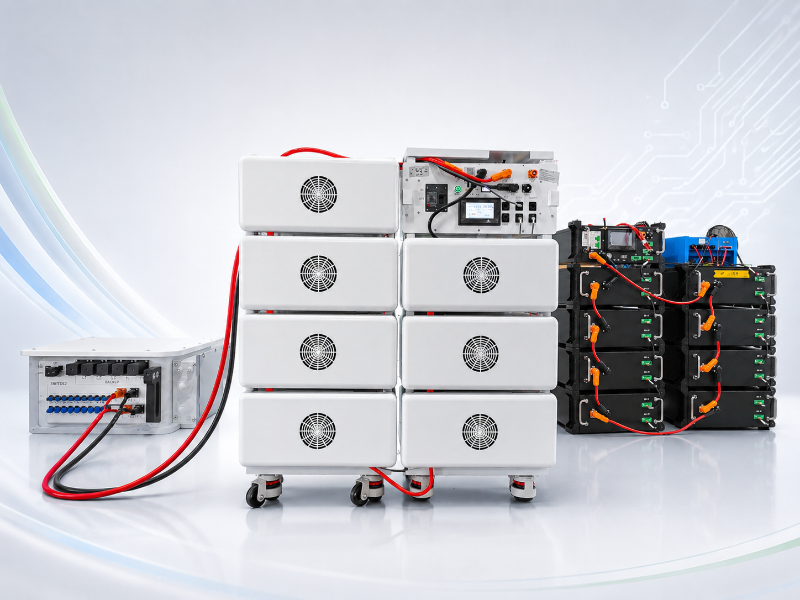
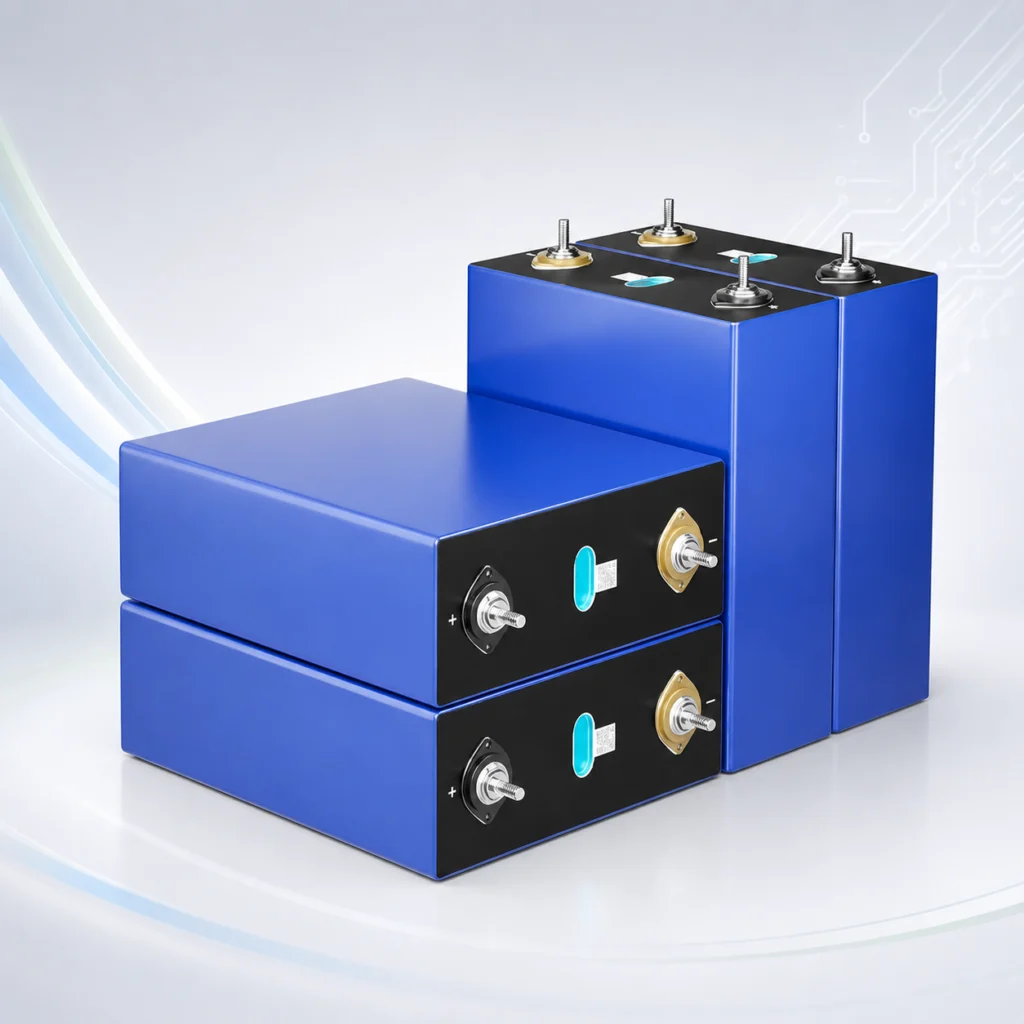
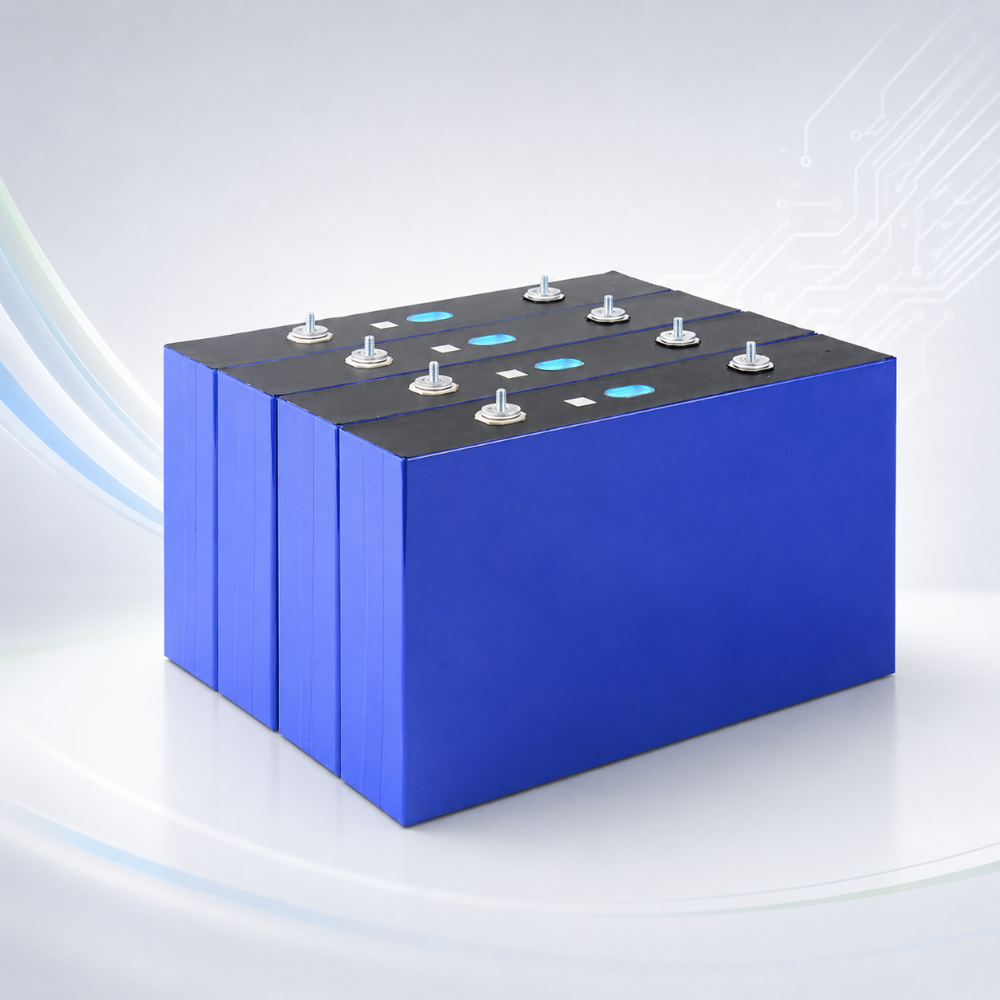
Lithium deep cycle batteries are energy storage batteries designed for repeated charging and discharging. They are commonly used in industrial equipment that requires continuous power, mobile operation, or an independent power supply. Compared with conventional starter batteries, deep cycle batteries focus more on sustained discharge capability, cycle life, and power delivery under different load conditions. With lithium battery technology, equipment can also benefit from higher energy density, reducing the space and weight occupied by the battery pack and making installation, transportation, and maintenance easier. In industrial production, warehouse logistics, outdoor engineering, communication facilities, and backup power systems, a stable power supply is essential for normal equipment operation.
Some industrial equipment cannot remain connected to a fixed power grid and relies on batteries for continuous operation. Other equipment needs to maintain critical functions during power outages to prevent interruptions in production processes. Lithium deep cycle batteries can be configured according to equipment power requirements, operating hours, and charging conditions, providing reusable electrical energy for these applications. When selecting a suitable lithium deep cycle battery, it is necessary to understand the equipment’s actual purpose, including operating current, daily working hours, depth of discharge, charging frequency, and operating environment. Different types of equipment have different requirements for battery capacity, output power, and safety protection. Only by selecting a battery based on specific operating conditions can power stability, operating efficiency, and maintenance costs be properly balanced.
Main Applications in Industrial Equipment
Lithium deep cycle batteries are not limited to a single type of equipment. Any equipment that needs to store electrical energy and operate through sustained discharge may use a deep cycle battery as its primary or auxiliary power source.
Warehouse and Logistics Equipment
Electric forklifts, electric pallet trucks, automated guided vehicles (AGVs), and some autonomous mobile robots all require reliable power to operate their drive systems, control units, and auxiliary devices. Lithium deep cycle batteries can provide continuous electrical energy while the equipment is operating, making them suitable for warehouse environments that involve frequent starts and stops, repeated material handling, and multi-shift operation.
Electric forklifts: Supply power to traction motors, hydraulic lifting systems, and control systems. Battery capacity should be determined according to load weight, handling frequency, and daily operating hours.
Electric pallet trucks: Suitable for short-distance goods transportation in warehouses, distribution centers, and production workshops. Battery size and weight can affect equipment structural design and ease of operation.
AGVs and mobile robots: Supply power to drive motors, sensors, communication modules, and controllers. Battery selection should account for operating routes, standby time, and automatic charging arrangements.
Whether a lithium deep cycle battery is suitable for a particular piece of equipment also depends on its motor starting current, continuous power requirements, and the output limitations of the battery management system (BMS). During high-load operation, the battery must provide not only sufficient energy but also the required instantaneous current.
Industrial Automation and Mobile Equipment
In some industrial automation applications, equipment needs to move between workstations or perform tasks in locations without fixed power connections. Lithium deep cycle batteries can provide independent power for mobile inspection equipment, portable industrial tools, certain electric hydraulic devices, and inspection robots, reducing the restrictions that power cables place on equipment movement. For automation equipment that needs to operate continuously, battery capacity should be calculated according to average power consumption and planned operating hours. If equipment frequently accelerates, brakes, or performs high-load operations, sufficient power headroom must also be reserved to prevent battery protection from being triggered when instantaneous loads increase. During equipment integration, the battery pack’s installation space, heat dissipation conditions, connector specifications, and voltage requirements should all be checked. For industrial equipment exposed to vibration, dust, or moisture, battery enclosures and connection components with appropriate protection ratings should be selected according to site conditions.
Energy Storage and Backup Power for Critical Equipment
In addition to powering mobile equipment, lithium deep cycle batteries can be installed in stationary energy storage systems to supply electricity to industrial production facilities, communication infrastructure, and independent power systems. When used with chargers, inverters, or energy management systems, these batteries can release stored electricity when needed, meeting requirements for continuous equipment operation, temporary power supply, and backup power during outages.
Industrial Backup Power and Communication Equipment
Factory control systems, communication base stations, monitoring equipment, and some industrial computing devices need to maintain critical functions when grid power is interrupted. Lithium deep cycle batteries can serve as part of a backup power system, providing short-term or extended power support for relevant equipment.
UPS uninterruptible power supplies: Provide backup power to controllers, servers, and critical electronic equipment when utility power fails. The actual backup duration depends on load power and usable battery capacity.
Communication equipment: Supply power to communication base stations, remote monitoring terminals, and data transmission equipment, helping maintain essential communication links.
Industrial control systems: Support the operation of selected control modules, alarm devices, and data storage equipment during power outages, reducing production losses caused by sudden power failures.
When configuring backup batteries, it is necessary to distinguish between short-duration backup requirements and continuous power supply requirements. Some UPS systems require high current output for a short period, while other equipment prioritizes long-duration, low-power discharge. Therefore, battery suitability cannot be determined by capacity alone. Discharge power, inverter compatibility, transfer time, and safety protection must all be verified.
Solar Energy Storage and Independent Power Systems
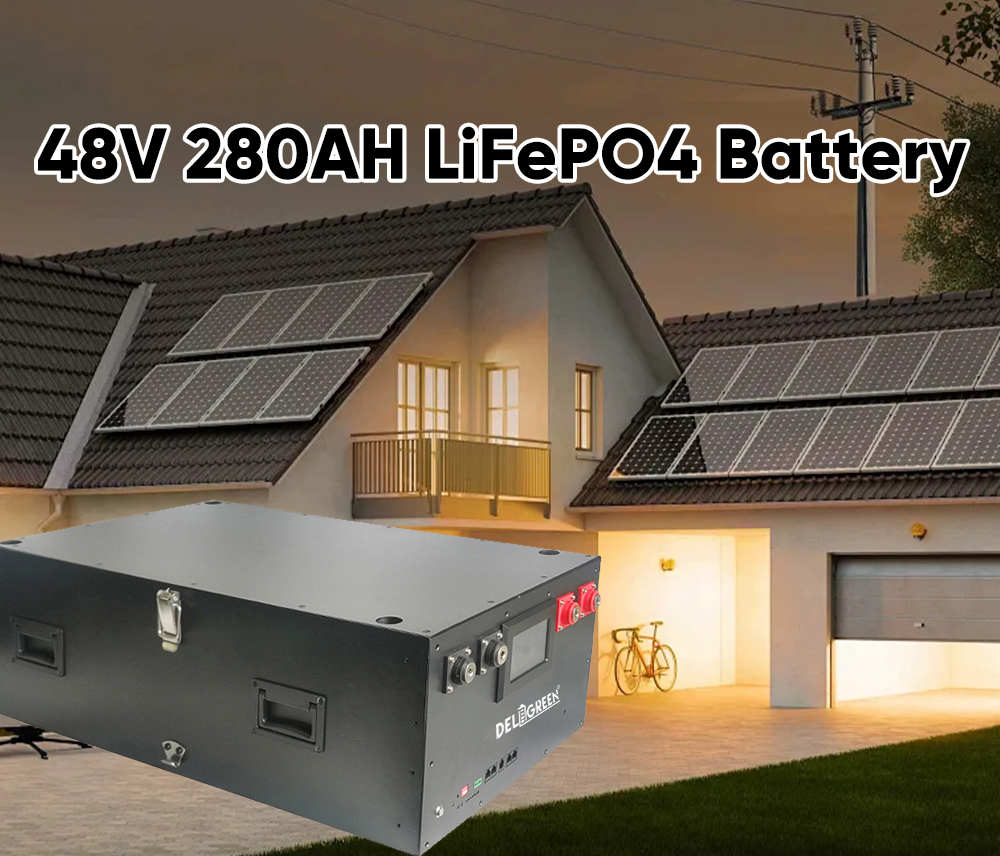
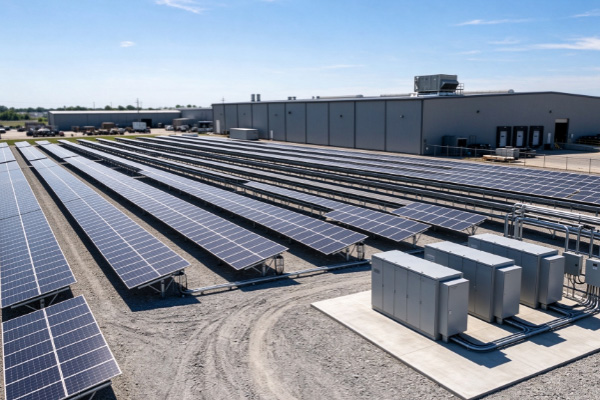
At auxiliary facilities within industrial plants, remote industrial sites, outdoor monitoring locations, and areas without a stable power grid, lithium deep cycle batteries can store electricity generated by solar power systems and release it when sunlight is insufficient or equipment needs to operate. By properly configuring photovoltaic panels, charge controllers, and battery packs, dependence on a single power source can be reduced.
Solar energy storage equipment: Stores electricity generated during the day for lighting, monitoring instruments, and other low-power equipment.
Power supplies for remote sites: Provide independent power for environmental monitoring instruments, remote data acquisition equipment, and certain automated devices.
Industrial auxiliary energy storage: When the system design requirements are met, provides backup power for selected auxiliary loads and coordinates charging and discharging through an energy management system.
When designing an energy storage system, battery capacity should be determined according to daily equipment energy consumption, backup requirements during consecutive cloudy or rainy days, and available charging conditions. The battery chemistry, charging voltage, and controller parameters must also be checked for compatibility. A conventional lithium battery should not be connected directly to an unverified charging system, as this may cause abnormal charging or prevent protection devices from operating correctly.
How to Choose Lithium Deep Cycle Batteries for Industrial Equipment
Industrial equipment varies considerably in its load characteristics. When selecting lithium deep cycle batteries, voltage, capacity, continuous output capability, and operating environment should all be considered together. A battery suitable for warehouse vehicles may not be suitable for a UPS, while a battery designed for low-power monitoring equipment may not be capable of driving a large motor.
Calculate Capacity Based on Power and Operating Hours
Battery capacity is usually expressed in ampere-hours (Ah), while stored energy can be expressed in watt-hours (Wh) or kilowatt-hours (kWh). A battery rated at 48 V and 100 Ah has a nominal energy capacity of 4,800 Wh, or 4.8 kWh. The actual electrical energy available is affected by factors such as allowable depth of discharge, temperature, load variations, and conversion losses. Therefore, the full 4.8 kWh should not be treated as energy that the equipment can use under all conditions.
During battery selection, the following details should also be checked:
Operating hours: Determine how long the equipment runs per session, how many times it operates each day, and whether it needs to run continuously across multiple shifts.
Load power: Calculate the equipment’s continuous power consumption and verify the peak current required when motors start or hydraulic devices operate.
Charging conditions: Select charger specifications according to the available charging time to ensure the battery can be fully charged before the next operating cycle begins.
Environmental requirements: Check operating temperature, dust and water protection, vibration resistance, and installation space to ensure the battery can withstand site conditions.
Check Battery Management and Safety Protection
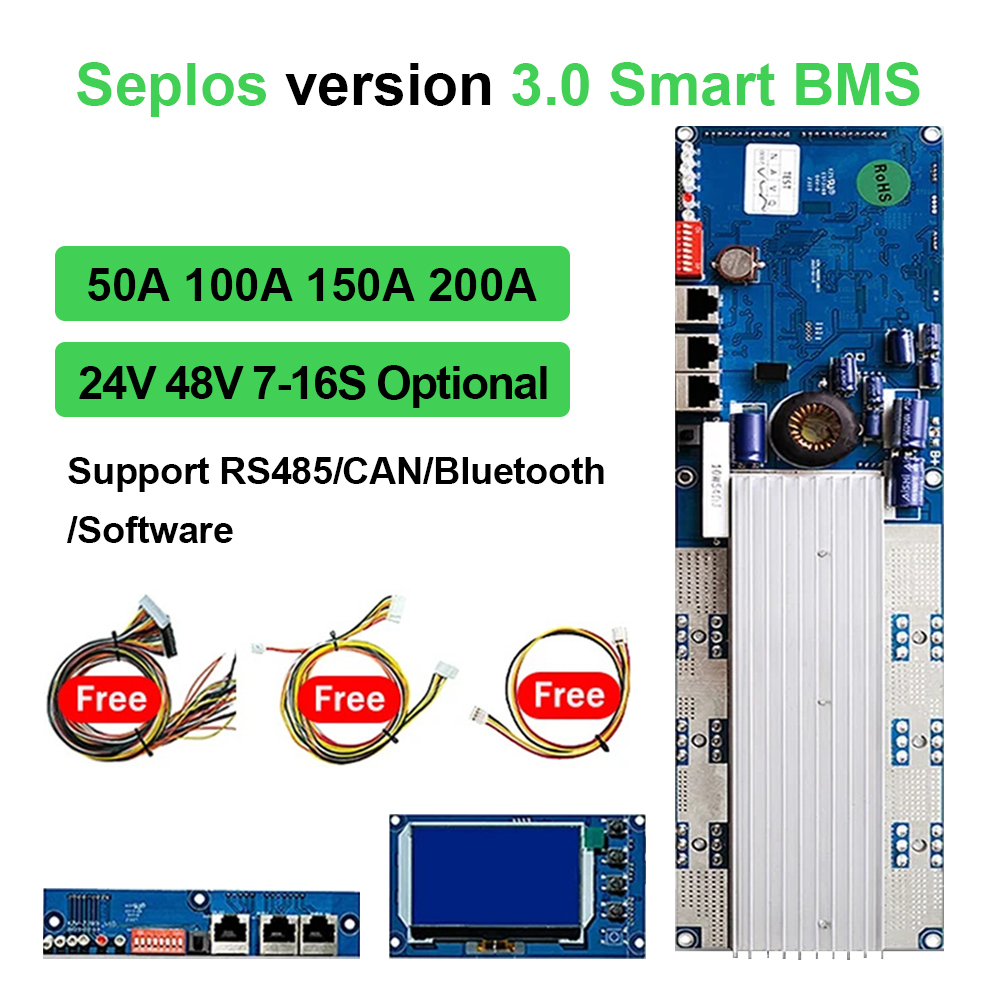
Lithium deep cycle batteries are generally equipped with a battery management system (BMS) that monitors cell voltage, temperature, and current, and limits charging or discharging when protection thresholds are reached. Battery packs used in industrial equipment should also be evaluated for short-circuit protection, overcurrent protection, overtemperature protection, and communication requirements with the equipment control system. If equipment requires frequent charging or long-term operation, verify that the battery supports the intended charging method and follow the manufacturer’s specifications for charging current, operating temperature, and discharge limits. Different lithium battery chemistries have different voltage ranges and protection parameters. Batteries should not be substituted based solely on similar appearance or identical nominal voltage.
Frequently Asked Questions
Can Lithium Deep Cycle Batteries Replace Lead-Acid Batteries in Industrial Equipment?
Some equipment can be converted, but compatibility should not be assumed for every model. Before replacement, verify that the battery pack voltage, dimensions, connectors, continuous discharge current, charger parameters, and equipment control system meet the relevant requirements. If the equipment relies on battery weight for counterbalancing, the overall weight distribution and stability must also be reassessed.
Are Lithium Deep Cycle Batteries Suitable for Equipment That Charges and Discharges Every Day?
Yes, provided that the operating conditions remain within the product specifications. Warehouse handling equipment, automated guided vehicles, and certain independent energy storage systems all require repeated charging and discharging. However, battery life is affected by depth of discharge, temperature, charging methods, and current levels. Following the manufacturer’s charging and maintenance recommendations helps maintain consistent performance.
What Battery Capacity Should Be Selected for Industrial Equipment?
Battery capacity should be calculated based on the equipment’s actual power consumption, operating hours, conversion efficiency, and required backup duration. It should not be determined by equipment type alone. For motor-driven equipment, peak power and maximum discharge current must also be verified. If the equipment operates continuously for extended periods or cannot be recharged whenever needed, sufficient allowance should be made for usable capacity and operating reserves.
The main applications of lithium deep cycle batteries in industrial equipment include powering warehouse and logistics vehicles, driving automation equipment, providing industrial backup power, supplying electricity to communication facilities, and storing energy in solar power systems. These batteries can meet the repeated charging and discharging requirements of different types of equipment and support continuous power supply. However, their actual performance depends on whether the battery specifications suit the equipment’s operating conditions. During the selection process, priority should be given to verifying nominal voltage, capacity, continuous discharge capability, peak current, charging requirements, and safety protection features, followed by an assessment of operating hours and installation conditions. For industrial projects that require long-term operation, charging arrangements, battery maintenance, system compatibility, and replacement costs should also be considered. Proper battery selection can help lithium deep cycle batteries meet equipment operating requirements more effectively and reduce the risk of downtime caused by an unstable power supply.