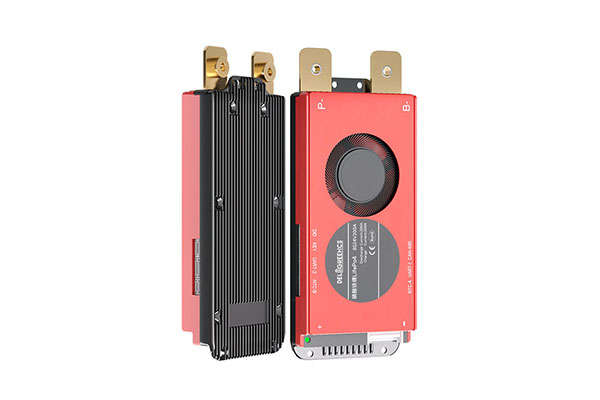
Lithium Titanate Oxide batteries are a specialized type of lithium-ion battery designed for applications that require fast charging, long cycle life, high power output, and reliable operation under demanding conditions. Compared with conventional lithium-ion batteries using graphite anodes, LTO batteries offer excellent cycling stability and improved resistance to lithium plating during charging.These characteristics make LTO battery technology suitable for electric vehicles, stationary energy storage systems, and industrial equipment that operates for long hours or undergoes frequent charge-discharge cycles.However, LTO batteries generally have lower energy density and higher initial costs than some alternative lithium-ion chemistries. Choosing the right battery therefore requires evaluating the application’s operating requirements rather than focusing on purchase price alone.
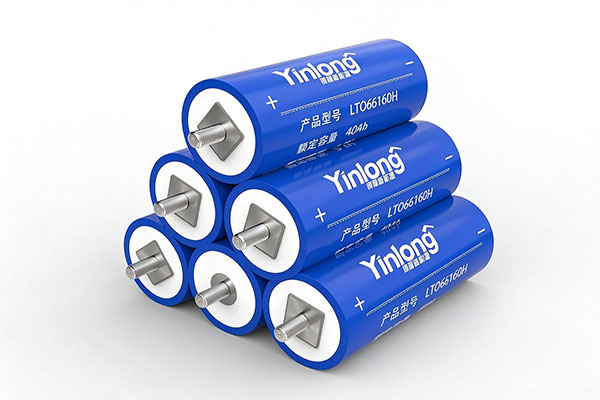
Key Factors When Buying an LTO Battery
Cycle Life and Long-Term Reliability
Cycle life is one of the most important factors when selecting a high-performance LTO battery. Applications involving frequent charging and discharging can benefit from the technology’s long service life. However, actual cycle performance depends on cell design, operating temperature, charge and discharge rates, depth of discharge, and the manufacturer’s testing conditions.
When comparing LTO battery suppliers, request cycle-life test reports and check the remaining capacity specified at the end of the test. This helps determine whether the battery can meet the expected service life of the project.
Charging Speed and Power Output
Fast charging is a major advantage of LTO batteries. It can reduce downtime for electric buses, industrial vehicles, automated guided vehicles (AGVs), and equipment that needs to return to operation quickly.
Buyers should examine the maximum continuous charging current, peak charging rate, discharge power, and permitted charging duration. A battery advertised as fast-charging must also be compatible with the charger, battery management system (BMS), and thermal management design.
Operating Temperature and Safety
LTO batteries can offer good performance in cold environments, depending on the cell model and its specifications. This can be valuable for outdoor industrial equipment, transportation fleets, and energy storage installations exposed to changing temperatures.
Before purchasing, verify the permitted charging and discharging temperature ranges separately. Also review short-circuit protection, overvoltage and undervoltage protection, temperature monitoring, and relevant safety test reports. No battery chemistry eliminates the need for proper system protection.
Choosing LTO Batteries for Different Applications
Electric Vehicles (EVs)
For electric buses, commercial vehicles, and specialized electric transport, LTO batteries are worth considering when rapid charging, high power output, and frequent daily cycling are more important than maximum driving range per kilogram.
Check the required pack voltage, usable capacity, acceleration power, regenerative braking compatibility, charging infrastructure, and available installation space. These factors determine whether an LTO battery pack can integrate effectively with the vehicle.
Energy Storage Systems (ESS)
In stationary energy storage, LTO batteries can support applications involving frequent cycling, rapid power response, and demanding operating conditions. Potential uses include renewable energy support, backup power, and commercial or industrial energy management.
Buyers should assess daily energy throughput, required backup duration, charge-discharge efficiency, system voltage, and expected service life. A complete evaluation should include the battery pack, BMS, power conversion equipment, cooling arrangements, and installation costs.
Industrial Equipment
Industrial applications such as forklifts, AGVs, automated production lines, and material-handling equipment may benefit from LTO batteries when operational uptime is critical.
Consider the equipment’s peak current demand, daily operating hours, opportunity-charging schedule, vibration exposure, and available maintenance windows. A properly designed LTO battery system can help reduce charging interruptions and support demanding duty cycles.
How to Evaluate an LTO Battery Supplier
Check Technical Specifications
A reliable LTO battery supplier should provide clear information on cell chemistry, rated capacity, nominal voltage, operating voltage range, charging limits, discharge performance, dimensions, and weight. Confirm that the specifications apply to the actual cell or battery pack being offered.
Review BMS and Customization Capabilities
The BMS should be specifically configured for the selected LTO cells. Important functions include cell voltage monitoring, temperature monitoring, current protection, balancing, and communication with the host equipment.
For customized projects, evaluate whether the supplier can adjust pack voltage, capacity, enclosure design, connectors, communication protocols, and protection settings to meet the application requirements.
Compare Total Cost of Ownership
The lowest initial purchase price does not necessarily provide the best long-term value. Compare expected service life, charging losses, maintenance requirements, replacement frequency, downtime, and warranty conditions.
For applications with intensive daily operation, a longer-lasting battery may reduce the total cost of ownership even when its initial price is higher.
Find the Right LTO Battery Solution for Your Project
Selecting a high-performance LTO battery requires balancing cycle life, charging speed, power output, operating temperature, safety, and total ownership cost. EVs, energy storage systems, and industrial equipment each have different electrical and operational requirements, so specifications should be matched to the actual duty cycle.
DeliGreen provides LTO battery solutions for projects requiring dependable power and application-specific configurations. When evaluating a battery solution, share your required voltage, capacity, operating environment, charging schedule, and equipment type with the supplier. These details help establish a suitable battery configuration for your project.