When a cylindrical battery is charged beyond its specified voltage limit, it may experience overheating, performance degradation, and increased internal pressure. In severe cases, overcharging can lead to leakage, gas release, or even fire. For equipment manufacturers, battery buyers, and product development teams, understanding these effects helps them select suitable chargers, protection circuits, and battery management solutions. It is important to note that different battery chemistries have different charging voltage limits and control requirements, so a single standard cannot be applied to every cylindrical battery. This article explains the performance changes, safety risks, common causes, and prevention measures associated with overcharging, helping users identify potential problems and reduce operating risks.
What Happens When Cylindrical Batteries Are Overcharged
The effects of overcharging depend on the battery chemistry, the severity and duration of overcharging, and the battery’s condition. For rechargeable lithium batteries, exceeding the specified charging limits requires particular attention.
Reduced Performance and Service Life
Overcharging can disrupt the battery’s internal stability and affect its subsequent performance.
- Capacity degradation: Internal side reactions may consume active materials, reducing usable capacity and shortening runtime.
- Changes in internal resistance: Damage to the battery’s internal condition may increase internal resistance and cause greater voltage drops under load.
- Shorter cycle life: Repeated overcharging can accelerate battery aging and cause the battery to reach the end of its service life sooner.
Even if a battery continues to operate normally for a short time, this does not mean that overcharging has caused no damage.
Heat Generation, Swelling, and Safety Risks
Prolonged or severe overcharging can generate additional heat inside a battery and increase safety risks. Side reactions may produce excess heat, and the danger can increase if that heat cannot dissipate effectively. Some batteries may release gas, activate pressure-relief mechanisms, or develop casing deformation, depending on their design and the extent of the damage. Severe overcharging of lithium-ion batteries can lead to internal short circuits and thermal runaway, potentially causing a fire. If abnormal heating, swelling, unusual odors, or leakage occurs, stop using the battery and keep it away from combustible materials. Do not continue charging, compress, or disassemble it.
Why Do Cylindrical Batteries Become Overcharged
Overcharging is often related to charging control, protection circuits, or operating conditions. Troubleshooting should begin by checking whether the battery specifications match the charging system.
Mismatched Charger and Battery Specifications
A charger with output parameters that do not meet the battery’s requirements is one of the first factors to investigate.
- Incorrect voltage settings: If the charging voltage exceeds the battery’s specified limit, the battery may remain in an unsafe charging condition.
- Unsuitable charging methods: Different battery chemistries have different requirements for charging voltage, current, and termination conditions. Charging methods should not be used interchangeably without verification.
- Unclear battery specifications: If the battery chemistry and rated parameters are not confirmed during purchasing or assembly, an incompatible charger may be selected.
Before charging, check the battery datasheet and charger specifications to ensure that the charging method is appropriate for the battery.
Problems with Protection Circuits or Charging Management
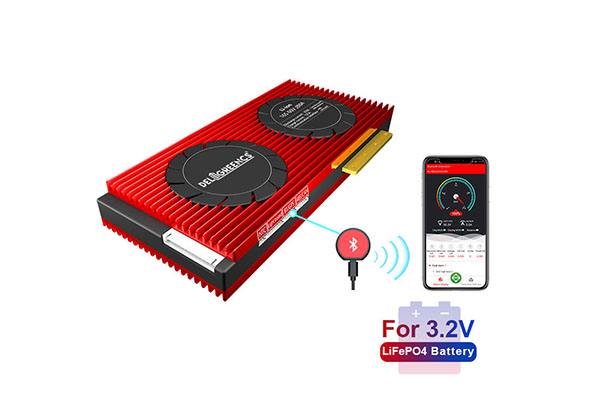
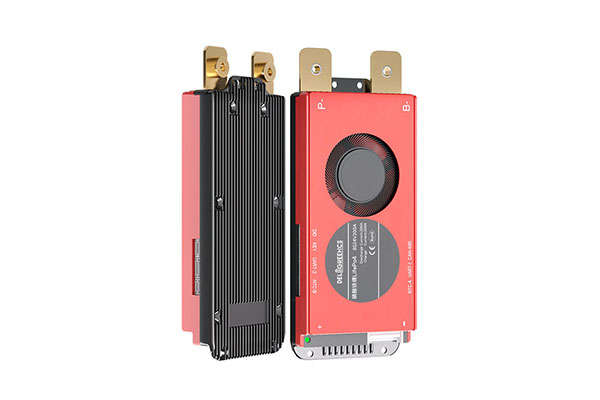
Faults in a protection board or battery management system can increase the risk of overcharging. A failed protection circuit may not stop charging when required. In battery packs containing multiple cells connected in series, individual cell voltages may differ, so a normal total pack voltage does not guarantee that every cell is operating safely. Incorrect wiring, poor connections, or unsuitable system configurations can also affect charging control reliability. Battery pack design should therefore account for individual cell monitoring, protection functions, and charging control rather than relying solely on total voltage.
How to Identify a Potentially Overcharged Cylindrical Battery
If overcharging is suspected, inspect the battery’s appearance, temperature, and electrical behavior for warning signs. However, no single indicator can determine the full extent of internal damage.
Check for Physical and Temperature Changes
Abnormal appearance or temperature can indicate potential danger, so safety should be the priority when warning signs appear.
- Casing abnormalities: Check for deformation, swelling, leakage, or signs of unusual gas release.
- Abnormal temperature: If the battery becomes excessively hot during charging or continues heating after charging stops, discontinue use immediately.
- Unusual odors: If an abnormal odor is detected, do not approach the battery for further inspection or attempt to recharge it as a test.
A normal appearance does not rule out internal damage. Batteries with a history of overcharging should still be handled cautiously.
Check Voltage and Operating Performance
Electrical measurements can help qualified technicians assess battery condition, but testing must follow appropriate procedures and use suitable equipment.
- Voltage records: Review charging voltage data and compare it with the battery’s specified charging limit.
- Capacity and voltage drop: Professional testing can assess changes in capacity, internal resistance, and voltage behavior under load.
- Battery pack inspection: For packs containing cells connected in series, qualified personnel should inspect individual cell voltages and the protection system.
If a battery has been severely overcharged or shows clear signs of damage, do not repeatedly charge and discharge it to see whether it has recovered.
How to Prevent Cylindrical Battery Overcharging
Prevention requires appropriate battery selection, charging control, and usage management, with each measure tailored to the battery’s specific requirements.
Select Compatible Charging and Protection Solutions
During product development and battery procurement, define the charging limits and required safety protection functions.
- Confirm charging parameters: Set charging voltage, current, and termination conditions according to the battery chemistry and specifications.
- Configure protection functions: Evaluate overvoltage, overcurrent, and temperature protection as required, and verify compatibility between the protection circuit and charging system.
- Validate battery packs: For multi-cell configurations, assess individual cell voltage monitoring and balancing requirements rather than relying only on total pack voltage.
Verifying specifications and validating the complete system can reduce the likelihood of charging control failures.
Establish Proper Usage and Maintenance Procedures
Routine management is also important, particularly for equipment that operates continuously or uses batteries in large quantities.
- Avoid improper charging: Use compatible charging equipment, do not change charging parameters without authorization, and never bypass protection circuits.
- Conduct regular inspections: Check the battery’s appearance, electrical connections, and charging system according to the equipment’s usage frequency and maintenance requirements.
- Respond to abnormalities promptly: Stop using batteries suspected of overcharging or damage, and have qualified personnel assess them according to appropriate safety procedures.
Clear operating and maintenance procedures help reduce overcharging risks caused by user error or equipment faults.
Overcharging cylindrical batteries can reduce capacity, increase internal resistance, and shorten cycle life. It may also cause abnormal heating, swelling, and serious safety incidents. The actual risk depends on the battery chemistry, the severity of overcharging, and how long it continues, so safety cannot be determined solely by appearance or whether the battery still supplies power. Equipment manufacturers and battery buyers should confirm battery specifications, charger compatibility, and protection requirements during the design and selection stages, then validate the complete system through appropriate testing. If a battery becomes excessively hot, deforms, develops an unusual odor, or shows other warning signs, stop using it immediately and do not continue charging or attempt to disassemble it.