The discharge cutoff voltage of a sodium-ion battery refers to the minimum voltage value at which the battery stops continuing to output electrical energy after the voltage of a single cell drops to a specified value during continuous discharge. This parameter is an important technical indicator in the design, testing, and application of sodium-ion batteries, and is closely related to battery capacity utilization, cycling stability, and safe operating conditions. During the discharge process, sodium ions leave the anode material and migrate through the electrolyte into the cathode material, while electrons flow through the external circuit to generate electrical energy output. As the stored sodium ions inside the battery gradually decrease, the potential difference between the cathode and anode decreases, and the cell terminal voltage continues to drop. The discharge cutoff voltage is determined based on a combination of factors, including the battery material system, electrochemical reaction range, capacity release performance, and long-term cycling test results.
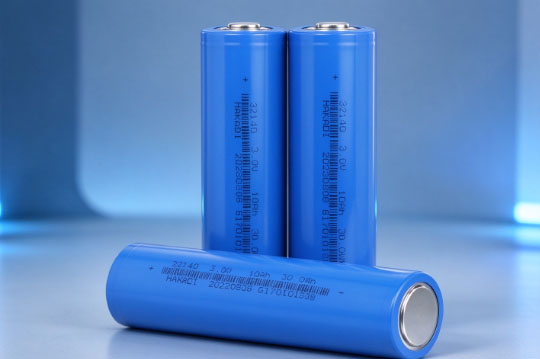
Different types of sodium-ion batteries use different cathode materials, anode materials, and electrolyte systems, resulting in differences in their optimal operating voltage ranges. If the cutoff voltage is set too high, some usable capacity remains inside the battery and the energy storage capability cannot be fully utilized; if the cutoff voltage is set too low, the battery may enter an unstable reaction region, causing electrode structure changes, electrolyte decomposition, and irreversible capacity loss. Engineers usually determine the appropriate minimum discharge voltage through voltage curve analysis, rate testing, cycling tests, and temperature tests. A reasonable cutoff voltage allows sodium-ion batteries to maintain a balance between capacity release and long-term stable operation, making it one of the key parameters in cell design.
Basis for Determining the Discharge Cutoff Voltage of Sodium-Ion Batteries
Electrochemical Characteristics of Electrode Materials Determine the Basic Range
The discharge cutoff voltage of sodium-ion batteries is first limited by the electrochemical characteristics of the cathode and anode materials. The voltage inside the battery comes from the potential difference between the cathode and anode, and different material combinations form different operating voltage ranges. Cathode materials mainly control the intercalation and deintercalation processes of sodium ions, and their structural stability directly affects the voltage performance at the end of discharge. Common cathode materials for sodium-ion batteries currently include layered transition metal oxides, polyanionic compounds, and Prussian blue-based materials. These materials have different crystal structures and sodium-ion storage mechanisms, resulting in differences in their stability in low-voltage regions.
Polyanionic materials have relatively stable framework structures and can maintain good structural integrity, but their operating voltage is also limited by material composition. Prussian blue-based materials have open framework structures that can provide sodium-ion migration channels, but their discharge range also needs to be controlled appropriately. The anode material also participates in determining the cutoff voltage. Sodium-ion batteries commonly use hard carbon as the anode material. Hard carbon contains many disordered carbon layers and microporous structures that can store sodium ions. During discharge, sodium ions gradually leave the anode. When the anode enters a lower potential region, its sodium storage state changes. Therefore, the cathode and anode materials must jointly determine the minimum voltage at which the battery can operate.
Determining Actual Parameters Through Charge and Discharge Testing
The theoretical potential range of electrode materials can only provide a reference. The actual discharge cutoff voltage usually needs to be confirmed through cell testing. Researchers use testing equipment to record voltage change curves under different conditions and analyze capacity release during the voltage decline process.
Important considerations during testing:
- Whether the battery can still release a large amount of effective capacity after reaching a certain low voltage
- Whether the internal resistance of the battery increases significantly as the voltage continues to decline
- Whether rapid capacity degradation occurs in the low-voltage discharge region after multiple cycles
- Whether the cutoff voltage needs to be adjusted under different temperatures and discharge rates
When the battery reaches a certain voltage region during discharge, if further voltage reduction only provides a small amount of additional capacity but reduces material stability, this voltage is usually determined as the discharge cutoff value. This testing method avoids focusing only on capacity release while ignoring battery lifespan, making the cutoff voltage more suitable for actual application requirements.
Relationship Between the Cutoff Voltage of Sodium-Ion Batteries and Internal Stability
Preventing Irreversible Changes in Electrode Materials
The important role of the discharge cutoff voltage is to prevent the battery from entering an over-discharge state. During normal operation of sodium-ion batteries, sodium ions move back and forth between the cathode and anode according to the designed pathway. When the voltage falls below a reasonable range, irreversible changes may occur in the electrode materials. During over-discharge, the following situations may occur: changes in the crystal structure of cathode materials, resulting in reduced sodium-ion migration capability; changes in the sodium storage state inside the anode material, reducing subsequent charge and discharge efficiency; electrolyte decomposition in low-voltage regions, forming additional byproducts; and reduced stability of electrode interphase films, increasing internal resistance. These changes affect subsequent battery cycling processes and reduce capacity retention capability. Therefore, the cutoff voltage needs to be set within the stable operating range of the materials rather than simply pursuing deeper discharge.
Coordinating Voltage Protection with the Battery Management System
Sodium-ion batteries are usually equipped with a battery management system (BMS) for real-time monitoring. The BMS can detect the voltage of individual cells. When a cell reaches the preset lower discharge limit, the system reduces output or stops discharge according to the control settings. The cutoff voltage parameters in the battery management system usually come from cell experimental data, including:
- Minimum allowable operating voltage of individual cells
- Voltage decline characteristics under different discharge rates
- Effects of temperature changes on voltage platforms
- Performance changes after long-term cycling
The consistency between individual cells also affects cutoff voltage settings. If some cells have lower capacity, they may reach the minimum voltage earlier during discharge, requiring balancing control through the battery management system.
Differences in Cutoff Voltage of Sodium-Ion Batteries with Different Material Systems
Cathode Material Systems Affect the Discharge Voltage Range
When sodium-ion batteries use different cathode materials, their discharge curves and cutoff voltage requirements vary. Layered transition metal oxide cathodes have relatively high voltage platforms and can provide higher energy density, but structural changes in the materials need to be strictly controlled. Therefore, the discharge limit needs to be determined according to the specific composition. Polyanionic compound cathodes usually have stable structural frameworks and maintain good structural integrity during long cycling. Their cutoff voltage design needs to consider the voltage platform of the material itself.
Prussian blue-based cathodes have open framework structures that facilitate rapid sodium-ion migration, but crystal water content, defect levels, and preparation processes in the materials can affect battery voltage performance. Therefore, different cathode systems cannot use exactly the same cutoff voltage standards and need to be determined through specific material testing.
Anode Material Structures Affect Low-Voltage Region Performance
The anode material determines the other end of the potential during sodium-ion storage and release. Although hard carbon has good sodium storage capability, its internal pore structure, carbon layer arrangement, and surface conditions affect stability in low-voltage regions. During cutoff voltage design, the following factors need to be considered: Whether hard carbon can continuously release sodium ions; Whether the anode interphase film remains stable; Whether the increased capacity in the low-voltage region has practical value.
If the anode remains stable in the low-voltage region, the discharge range can be appropriately expanded. If side reactions are likely to occur in the low-voltage region, the cutoff voltage limit needs to be increased.
Frequently Asked Questions
How Is the Discharge Cutoff Voltage of Sodium-Ion Batteries Usually Set?
The discharge cutoff voltage of sodium-ion batteries needs to be determined according to the specific cell design. Differences exist between manufacturers and material systems. Generally, a complete discharge curve is obtained through experimental testing, and the minimum operating voltage is determined based on capacity release, safety range, and cycling data.
Why Can the Discharge Cutoff Voltage Not Be Reduced Indefinitely?
Lowering the cutoff voltage may increase some discharge capacity, but when entering an excessively low voltage region, the additional capacity is usually limited. At the same time, it may increase electrode material degradation and electrolyte side reactions.
Does the Discharge Cutoff Voltage Affect Actual Battery Use?
The discharge cutoff voltage determines how much capacity the battery can release and also affects the protection range of the battery management system. During actual use, discharge limits should be set according to the technical parameters of the cell to avoid performance degradation caused by long-term deep discharge.
What Is the Difference Between Rated Voltage and Discharge Cutoff Voltage?
Rated voltage represents the typical output voltage of the battery under normal operating conditions, while discharge cutoff voltage represents the lowest voltage that the battery is allowed to reach. Rated voltage is used to describe battery performance levels, while cutoff voltage is used to limit the battery discharge range. They are different technical parameters.
The determination of the discharge cutoff voltage of sodium-ion batteries requires comprehensive consideration of electrode material characteristics, internal battery reaction processes, voltage change curves, and long-term cycling test results. During research and development, engineers usually analyze the capacity release capability and structural stability of the battery in different voltage regions through experiments, and then select an appropriate minimum discharge voltage. A reasonable cutoff voltage can fully utilize the energy stored in the battery while preventing the battery from entering unstable operating regions. Since different sodium-ion batteries use different material systems, their discharge cutoff voltages also vary. In practical applications, the setting should be based on specific cell specifications and manufacturing standards, allowing the battery to maintain stable operation while meeting capacity requirements.