As the energy storage, electric transportation, and renewable energy industries continue to develop, sodium-ion batteries are moving from laboratory research toward commercial applications. Compared with lithium-ion batteries, sodium-ion batteries offer potential advantages such as abundant sodium resources, diversified material systems, and good low-temperature performance. These characteristics have attracted increasing attention from energy storage companies, battery purchasers, and investors in the new energy industry.However, whether sodium-ion batteries are worth investing in or purchasing cannot be determined with a simple yes-or-no answer. Companies should evaluate technology maturity, application scenarios, cost structure, supply chain conditions, and long-term development potential before making a decision.
How Mature Are Sodium-Ion Batteries Today?
From Laboratory Research to Commercial Applications
Sodium-ion batteries are not a completely new battery technology. Research in this field has been ongoing for many years. With continuous improvements in cathode materials, anode materials, electrolytes, and battery management systems, sodium-ion batteries are gradually moving toward commercial deployment.
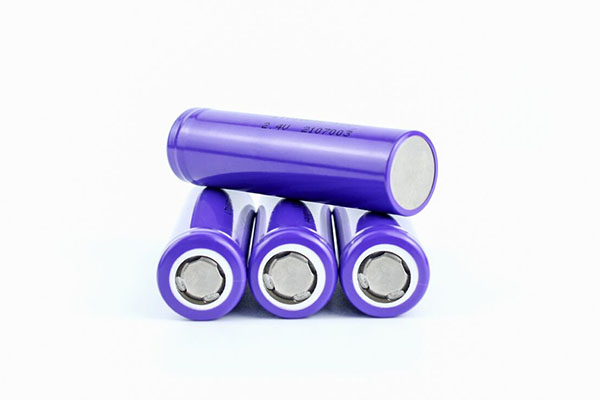
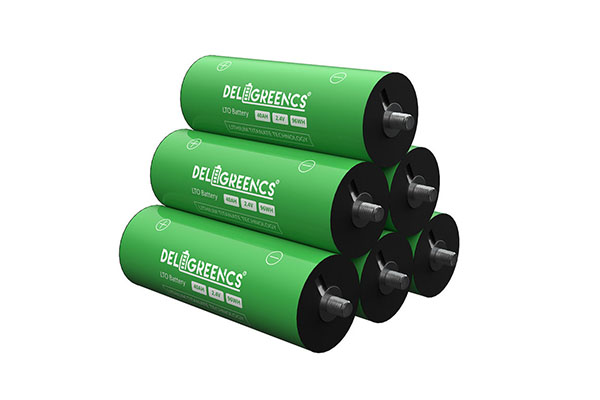
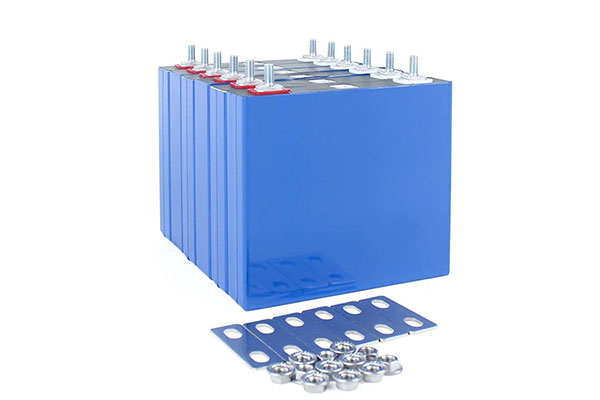
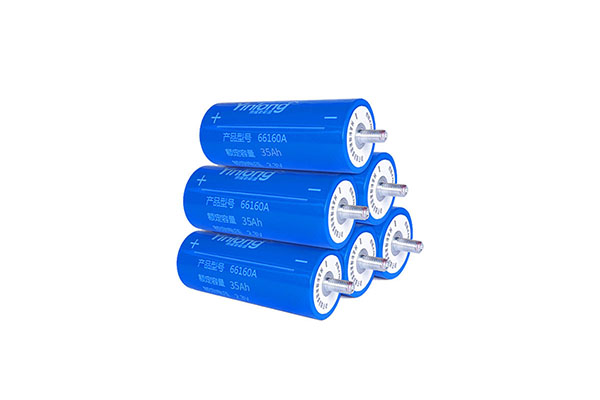
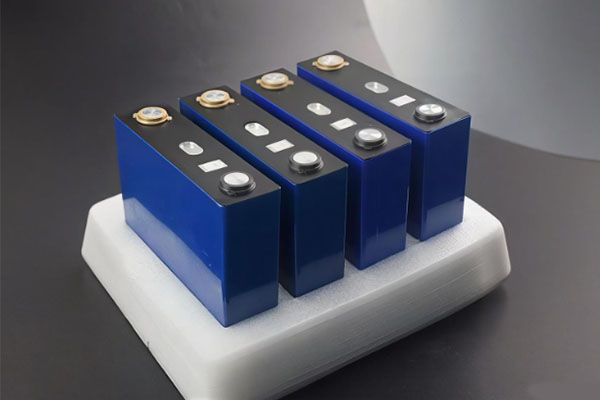
Today, sodium-ion batteries are available in different cell formats, including cylindrical, prismatic, and pouch cells. They are being explored and deployed in applications such as energy storage, electric two-wheelers, and low-speed electric vehicles.
However, compared with lithium iron phosphate and ternary lithium batteries, which have already achieved large-scale commercialization, the sodium-ion battery supply chain, product standards, and supplier base are still developing.
Technology Maturity Depends on the Application
The maturity of sodium-ion batteries should not be judged only by laboratory performance data. Actual application performance is equally important, including cycle life, charge and discharge efficiency, safety, cell consistency, low-temperature performance, and long-term operating stability.
For stationary energy storage applications where weight is less critical, some characteristics of sodium-ion batteries may provide practical value. For long-range passenger electric vehicles, however, energy density remains an important consideration.
What Are the Purchasing Advantages of Sodium-Ion Batteries?
Abundant Raw Material Resources
Sodium is widely available, making resource accessibility one of the key reasons for the growing interest in sodium-ion batteries. As the battery industry increasingly focuses on stable raw material supplies, abundant sodium resources can contribute to a more diversified battery material supply chain.
For companies purchasing batteries over the long term, it is important to consider not only the current battery price but also raw material availability, price fluctuations, and overall supply chain stability.
Potential Advantages in Low-Temperature Conditions
Low temperatures can affect battery charging and discharging performance as well as available capacity. Sodium-ion batteries have demonstrated promising low-temperature characteristics, making them worth considering for energy storage in cold regions, outdoor equipment, and certain electric transportation applications.
For buyers whose products operate in cold environments, the battery’s operating temperature range and low-temperature discharge performance should be included in the selection criteria.
Stationary Energy Storage Has More Flexible Energy Density Requirements
Residential energy storage, commercial and industrial energy storage, and backup power systems are generally installed in fixed locations. Unlike electric vehicles, they do not always require extremely high energy density or strict weight reduction.
Therefore, when evaluating sodium-ion batteries for stationary energy storage, companies can focus more on cycle life, system cost, temperature adaptability, safety design, and overall system performance rather than comparing Wh/kg alone.
Which Applications Are Suitable for Sodium-Ion Batteries?
Residential and Commercial Energy Storage
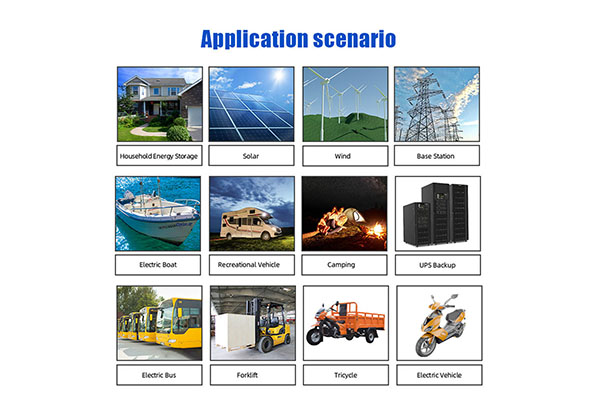
Residential solar energy storage systems can store excess electricity generated during the daytime and release it during the evening or periods of high electricity demand. Commercial and industrial energy storage systems can be used for peak shaving, backup power, and renewable energy integration.
Because these applications generally have less stringent energy density requirements than long-range electric vehicles, sodium-ion batteries have potential for further development in this market.
Electric Two-Wheelers and Low-Speed Transportation
Electric bicycles, electric three-wheelers, short-distance delivery vehicles, and certain low-speed electric vehicles often place greater emphasis on cost, cycle performance, and temperature adaptability.
In these applications, sodium-ion batteries can serve as an alternative battery chemistry to lithium-ion batteries. During procurement, battery capacity, vehicle range requirements, available installation space, and rated power should all be considered when selecting the appropriate cell specification.
Portable Power and Backup Power
Portable power stations, emergency power systems, and small off-grid energy storage systems require batteries with stable charging and discharging performance and good environmental adaptability.
For products designed for cold regions or applications requiring frequent cycling, sodium-ion batteries can be included in the battery procurement evaluation.
What Parameters Should Be Considered When Purchasing Sodium-Ion Batteries?
Do Not Compare Only Cell Prices
The purchase decision should not be based solely on the price per Wh. Buyers should also evaluate battery capacity, voltage platform, cycle life, charge and discharge rate, operating temperature, energy density, and self-discharge rate.
For energy storage projects, it is also important to evaluate the battery management system (BMS), thermal management, protection mechanisms, communication interfaces, and overall system compatibility.
Supplier Capabilities Are Equally Important
Purchasers should evaluate whether a supplier has stable cell manufacturing capabilities and can provide consistency testing, BMS matching, module design, and OEM/ODM services.
For large-volume projects, buyers should also confirm sample testing procedures, production capacity, quality control processes, delivery schedules, and after-sales support.
What Is the Future Potential of Sodium-Ion Batteries?
Materials and Manufacturing Technologies Are Still Evolving
Future development of sodium-ion batteries will focus on improving energy density, extending cycle life, reducing manufacturing costs, and strengthening the material supply chain.
Continued advances in cathode materials, hard-carbon anodes, electrolytes, current collectors, and manufacturing processes could further improve the overall performance and commercial competitiveness of sodium-ion batteries.
Complementary Development With Lithium-Ion Batteries
The future battery market is unlikely to be based simply on sodium-ion batteries replacing lithium-ion batteries. Instead, different battery technologies may coexist and serve different application requirements.
Lithium-ion batteries will continue to play an important role in long-range electric vehicles that require high energy density. Sodium-ion batteries, meanwhile, have opportunities to expand in stationary energy storage, low-speed transportation, and selected low-temperature applications.
Are Sodium-Ion Batteries Worth Investing in and Purchasing?
From a procurement perspective, sodium-ion batteries should be evaluated according to specific application requirements rather than viewed as a universal replacement for lithium-ion batteries. If a project prioritizes resource availability, low-temperature performance, system cost, or stationary energy storage, sodium-ion batteries can be included as a potential solution.From an investment perspective, companies should pay close attention to cell technology, commercialization scale, raw material supply chains, manufacturing costs, downstream demand, and actual market applications.
For battery suppliers such as DeliGreen, future competition in the sodium-ion battery market will involve more than the battery cell itself. BMS integration, battery module design, system integration, and customized battery solutions will also become increasingly important.When selecting a sodium-ion battery supplier, companies should evaluate capacity, cycle life, operating temperature, safety performance, BMS compatibility, and overall system design based on their actual application environment and project requirements. A comprehensive evaluation can help buyers identify sodium-ion battery solutions that are better matched to their specific energy storage and electric transportation needs.