Sodium-ion batteries and lead-acid batteries are both used in energy storage, backup power systems, low-speed electric vehicles, and other applications. However, they differ significantly in materials, energy density, cycle life, charging and discharging performance, temperature adaptability, maintenance requirements, and overall operating characteristics.As sodium-ion battery technology continues to develop, more buyers are asking: What are the differences between sodium-ion batteries and lead-acid batteries? Which technology is more suitable for a specific application?
Basic Differences Between Sodium-Ion and Lead-Acid Batteries
Different Materials and Working Principles
Lead-acid batteries mainly use lead and lead compounds as electrode materials and sulfuric acid as the electrolyte. Electrical energy is stored and released through electrochemical reactions between the electrodes and electrolyte.
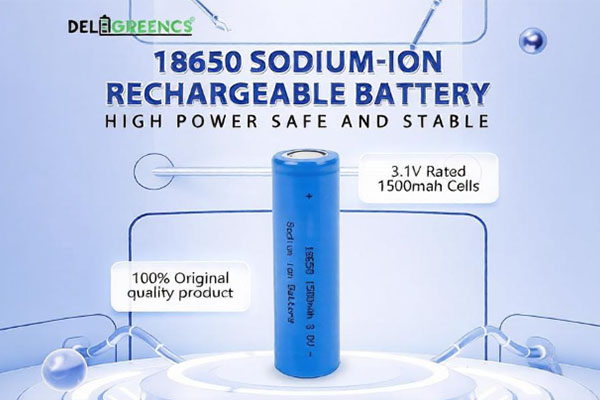
Sodium-ion batteries use sodium ions as the charge carriers. During charging and discharging, sodium ions move between the cathode and anode materials. Since sodium is widely available, sodium-ion battery technology has its own advantages in terms of raw material availability.
Different Battery Structures
Traditional lead-acid batteries are generally heavier and, depending on the battery design, may require attention to electrolyte management, ventilation, and maintenance.
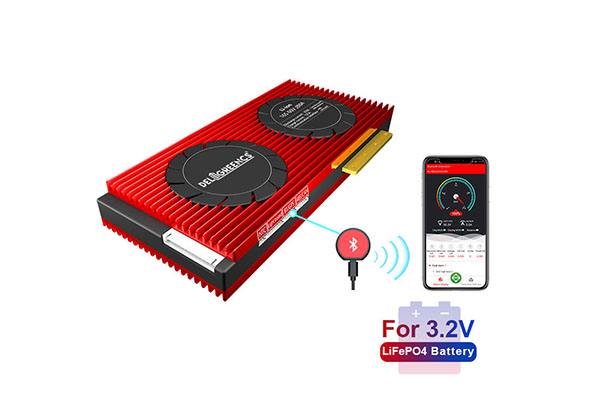
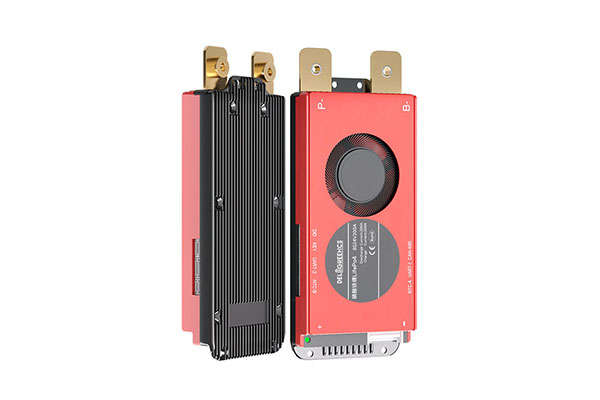
Sodium-ion batteries can use cell and battery-pack structures similar to those used in other rechargeable battery systems. A Battery Management System (BMS) can monitor voltage, current, temperature, and other operating parameters to improve battery management and protection.
Differences in Energy Density and Weight
Energy density is an important parameter for evaluating how much energy a battery can store relative to its weight.
In general, lead-acid batteries have relatively low energy density. Therefore, storing the same amount of energy may require a heavier and larger battery system.
Sodium-ion batteries can offer higher energy density than traditional lead-acid batteries in certain configurations, making them worth evaluating for applications where weight and installation space are important.
Which Applications Require Higher Energy Density?
Energy density becomes particularly important for electric vehicles, mobile equipment, outdoor power systems, and other applications where battery weight and available installation space are limited.
Differences in Cycle Life
Cycle life has a direct impact on the long-term operating cost of a battery system.
Lead-acid batteries can experience capacity degradation during frequent or deep charge and discharge cycles. Therefore, their suitability depends on the specific operating conditions.
Sodium-ion batteries have demonstrated potential for good cycle performance, although actual cycle life depends on factors such as electrode materials, cell design, charge and discharge rates, operating temperature, and depth of discharge (DoD).
Do Not Compare Cycle Life Numbers Alone
Different manufacturers may use different testing conditions. When comparing batteries, buyers should check the test temperature, charge and discharge rate, DoD, and capacity retention requirements to ensure the data is comparable.
Low-Temperature Performance
Temperature can significantly affect battery capacity and charging and discharging performance.
Lead-acid batteries can experience reduced capacity and lower performance in cold environments.
Sodium-ion batteries have attracted attention for their potential low-temperature performance, making them worth evaluating for energy storage, vehicles, and outdoor equipment used in colder environments. However, actual performance still depends on the specific cell chemistry and product design, so buyers should refer to verified supplier test data.
Charging Efficiency and Maintenance
Lead-acid batteries generally require longer charging times and, depending on the battery type, may require attention to electrolyte condition, terminal corrosion, and other maintenance requirements during long-term operation.
Sodium-ion battery packs can be equipped with a BMS to monitor battery conditions and provide various protection functions. For applications involving frequent charging and discharging, charging performance and battery management capabilities are important purchasing considerations.
Safety and Environmental Considerations
Lead-acid batteries have a long history of commercial use and mature manufacturing and recycling systems. However, because they contain lead and other materials, used batteries must be properly collected and recycled according to applicable regulations.
Sodium-ion batteries use sodium-based materials and do not rely on some of the critical materials commonly associated with lithium-ion battery technologies. This gives sodium-ion technology particular characteristics in terms of resource availability.
However, sodium-ion batteries still require appropriate manufacturing, transportation, usage, and recycling systems. They should not simply be considered completely pollution-free.
Which Battery Should You Choose?
When Are Lead-Acid Batteries Suitable?
Lead-acid batteries can remain a practical choice when the initial purchase budget is a major consideration, battery weight is not a critical factor, and mature supply chains are preferred.
They can be considered for traditional backup power systems, certain low-speed vehicles, and equipment where initial battery cost is more important than weight or high-frequency cycling performance.
When Are Sodium-Ion Batteries Suitable?
Sodium-ion batteries may be worth evaluating when an application places greater emphasis on cycle performance, low-temperature operation, weight, charging and discharging characteristics, and long-term operating costs.
Energy storage systems, low-speed electric vehicles, outdoor power equipment, and certain industrial backup power applications can be evaluated for sodium-ion battery solutions according to their specific operating requirements.
Battery Selection Should Not Be Based Only on Purchase Price
The most suitable battery cannot be determined simply by comparing the purchase prices of sodium-ion and lead-acid batteries.
A complete evaluation should consider battery capacity, cycle life, maintenance costs, charging efficiency, replacement frequency, installation space, operating temperature, and expected service life.
For commercial and industrial procurement, buyers can request detailed product specifications, cycle-life test data, operating temperature ranges, BMS parameters, and safety test documentation from suppliers before making a technical comparison.
There is no single battery technology that is ideal for every application.Lead-acid batteries offer mature technology, established supply chains, and relatively low initial costs, while sodium-ion batteries provide new opportunities in areas such as resource availability, cycle performance, and certain low-temperature applications.For companies evaluating sodium-ion battery solutions, suppliers such as DeliGreen can help customers assess battery requirements according to power demand, capacity, operating temperature, cycling frequency, installation conditions, and budget.