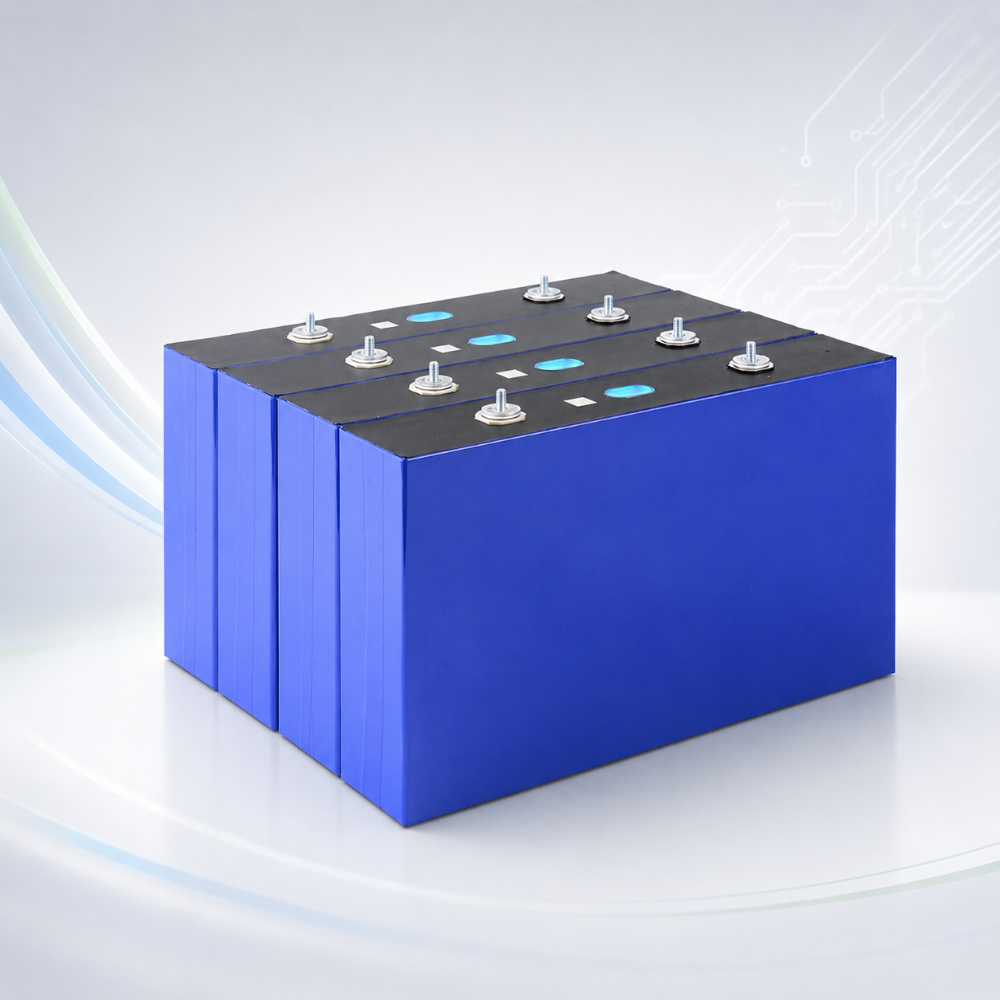
Lithium deep-cycle batteries need to undergo many repeated charging and discharging cycles, so the charge and discharge range directly affects the actual usable capacity, cycle count, and long-term operating condition. In daily use, the more commonly used indicator is the depth of discharge, which refers to the proportion of battery capacity consumed during one cycle. For example, if a battery drops from 100% charge to 20%, the depth of discharge for that cycle is approximately 80%; if it drops from 90% to 20%, the depth of discharge is approximately 70%. For common lithium iron phosphate deep-cycle batteries, 80% DoD can be used as a common reference range for daily cycling, but this does not mean that all products should always use this value. Different cell materials, BMS parameters, charging cutoff voltage, discharge cutoff voltage, operating temperature, and the manufacturer’s cycle life test conditions can all affect the appropriate operating range.
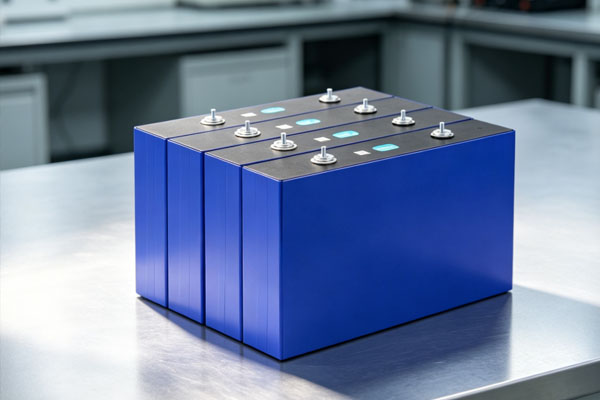
What Charging Depth Should Be Maintained for Lithium Deep-Cycle Batteries?
Daily Operating Range
If by “best charging depth” the user actually means how much capacity should be used during each charge and discharge cycle, for common LiFePO4 deep-cycle batteries, approximately 80% DoD can be used as a representative reference for daily use, meaning that the battery should ideally not be used from 100% down to 0% every time.
For example, for a 100Ah lithium iron phosphate battery:
80% DoD: approximately 80Ah is used in one cycle, with approximately 20Ah remaining;
70% DoD: approximately 70Ah is used in one cycle, with approximately 30Ah remaining;
50% DoD: approximately 50Ah is used in one cycle, with approximately 50Ah remaining;
100% DoD: close to the full rated capacity is used.
Cycle life does not change according to a fixed ratio under different DoD conditions. Some battery specifications indicate that cycle count increases significantly as the depth of discharge decreases. Therefore, if the daily load allows, maintaining some remaining capacity is more beneficial for long-term cycling than frequently discharging the battery to the protection cutoff voltage before recharging it.
Why Is a 100% Depth Cycle Not Recommended Every Time?
Deep Discharge Increases Battery Cycling Stress
Although deep-cycle batteries are designed to support deep discharge, the fact that a battery “can reach 100% DoD” does not mean that it “should be operated at 100% DoD every day.” The rated cycle count of a battery product usually specifies test conditions such as DoD, charge and discharge rate, temperature, and capacity retention. Therefore, simply seeing “supports 100% discharge” does not mean that 100% use is the best operating method. Repeatedly operating from a high SOC to near the low-voltage protection point over a long period increases the operating range of the cells. As the number of cycles increases, battery capacity gradually declines. If the equipment has stable charging conditions every day, the battery capacity can be appropriately increased so that the actual daily DoD remains within a reasonable range, reducing the depth of each individual cycle.
Charging to 100% Does Not Mean Higher Is Always Better
Another common misconception is that a battery must remain at 100% charge for a long time. For lithium batteries that are cycled daily, remaining at a high SOC for extended periods also requires attention. Some sources indicate that a high average SOC and prolonged periods close to full charge can accelerate capacity degradation, so the charging upper limit should generally be set according to the equipment manufacturer’s specifications. However, some LiFePO4 batteries require the BMS or battery management requirements to periodically charge to a relatively high SOC to complete cell balancing.
How Should the Charge and Discharge Range Be Set in Actual Use?
Reserve Some Capacity for Daily Cycling
If the battery is mainly used for daily power supply, a relatively flexible operating range can be adopted. For applications that require longer cycle life, the operating range can be narrowed further, such as 20%–80% SOC. This reduces usable capacity, but it also reduces the depth of each cycle. The actual selection should be based on daily power consumption and battery capacity. It is important to note that SOC represents the remaining battery capacity, while DoD represents the capacity that has already been used. They are not the same indicator.
Charging Parameters Also Affect the Actual Results
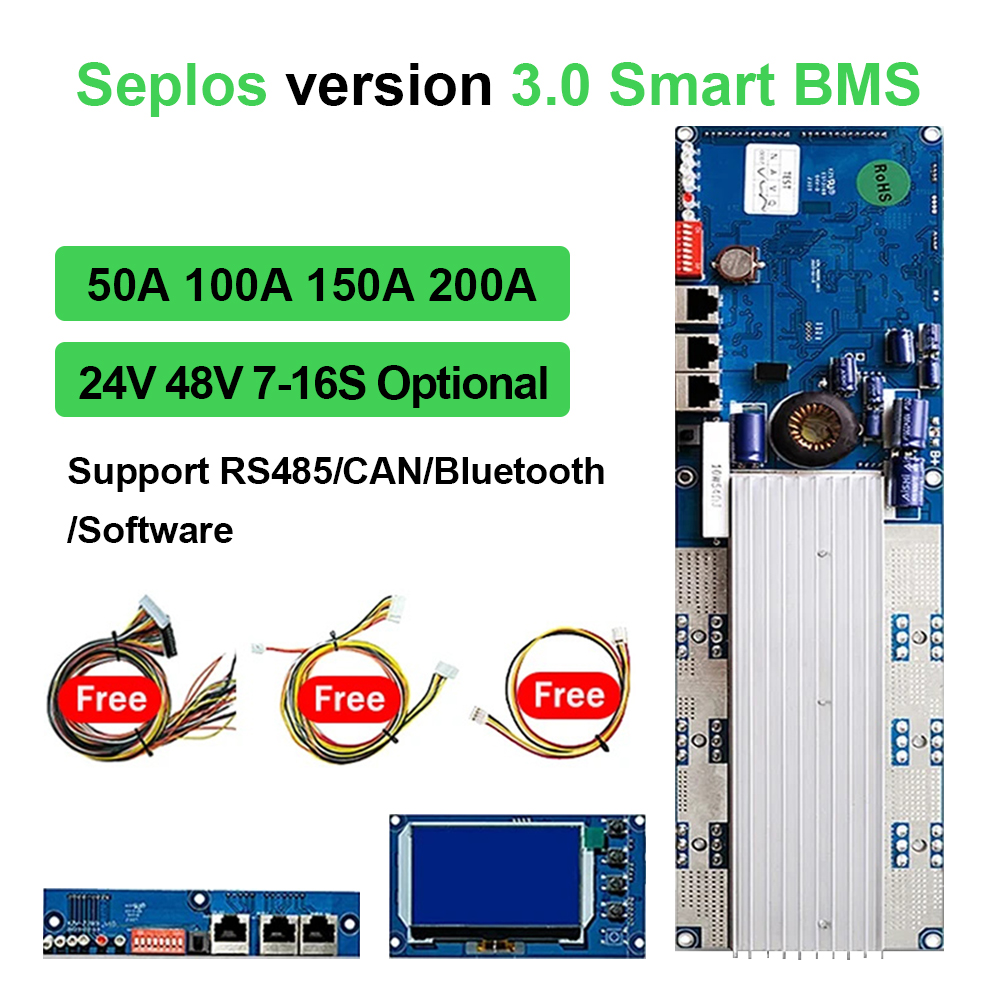
Depth of discharge is only one factor that affects battery life. During actual use, attention should also be paid to charging current, battery temperature, charging cutoff voltage, and BMS protection parameters. If the charging current is too high, the battery is exposed to high temperatures for long periods, or the charger parameters do not match the battery requirements, capacity loss and frequent protection activation may occur even if only 50% of the battery capacity is used each day.
Frequently Asked Questions
Q1: Does a lithium deep-cycle battery have to be charged to 100% every time?
Not necessarily. For daily cycling, a reasonable charging upper limit can be set according to the battery manufacturer’s specifications. Some LiFePO4 batteries need to periodically reach a relatively high SOC for cell balancing, so the charging upper limit should not be permanently fixed at a low level. The specific setting should follow the requirements of the battery and BMS.
Q2: Can the battery be discharged to 0% every time before charging?
Technically, some lithium deep-cycle batteries support close to 100% DoD, but using “discharge to 0%” as a fixed daily operating method is not recommended. Some products explicitly recommend keeping DoD at around 80% to reduce the life loss caused by deep cycling.
Q3: Is 50% DoD definitely better than 80% DoD?
If only the depth of a single cycle is considered, 50% DoD generally reduces the load of each individual cycle and may provide a higher cycle count. However, battery capacity utilization also decreases. For equipment that requires a large amount of power each day, excessively reducing DoD may require a larger battery capacity, so the actual operating range should be determined according to the load requirements.
Q4: Can a 100Ah lithium battery use 80Ah every day?
If the battery specifications allow 80% DoD, this is generally within a common deep-cycle operating range. The manufacturer’s cycle life test conditions, as well as the BMS minimum SOC, voltage protection, and charging parameters, should also be confirmed. The complete operating conditions cannot be determined based only on the “100Ah” capacity rating.
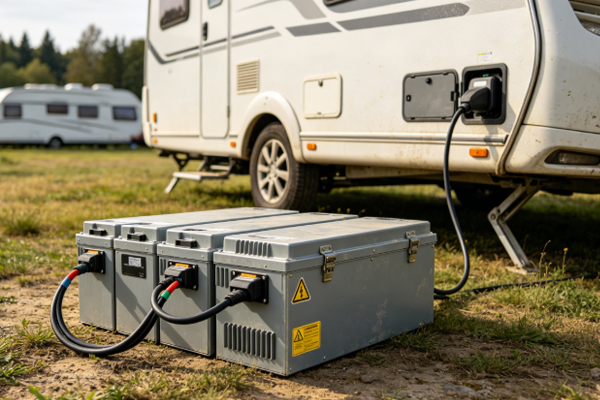
Lithium deep-cycle batteries do not have a single “best charging depth” that applies to all products. The actual setting also needs to take into account the battery type, manufacturer’s requirements, load size, and charging conditions. Publicly available battery technical data already shows that the cycle count of the same type of LiFePO4 battery can vary significantly under different DoD conditions. For example, the cycle counts corresponding to 80% DoD, 70% DoD, and 50% DoD are not necessarily the same. Therefore, daily use should avoid repeatedly performing 100% depth discharges over a long period, while there is also no need to use only a very small portion of the capacity in pursuit of maximum battery life. A more practical approach is to determine the battery capacity according to daily power consumption, leave an appropriate reserve under normal operating conditions, use a charger that meets the specifications, and follow the BMS settings for charge and discharge protection. For different applications such as energy storage, RVs, and electric equipment, the corresponding DoD, SOC range, charging voltage, maximum charging current, and cycle life test conditions should also be checked.