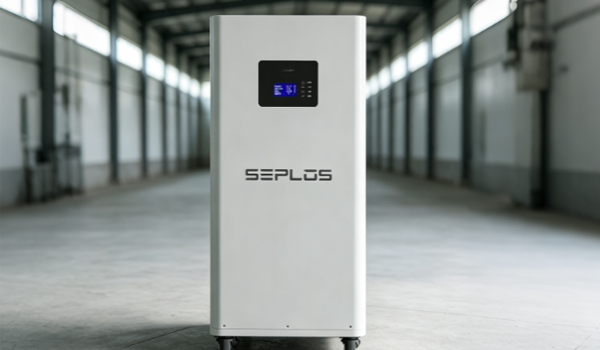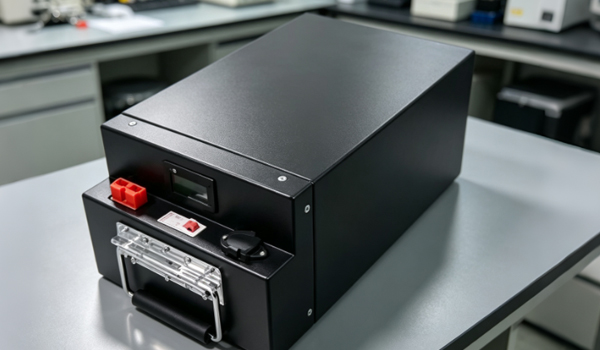
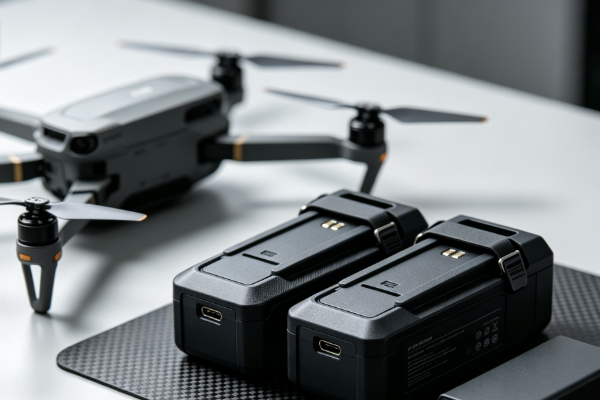
When heavy-lift drones perform transport, inspection, surveying, or emergency missions, motor power demand can increase rapidly during takeoff, climbing, and headwind flight. At this point, the current load on the battery increases significantly, while internal resistance, temperature, and connection losses can all affect actual power performance. For industrial models that need to complete missions reliably, a high-power battery is not simply a matter of increasing capacity. The battery needs to achieve an appropriate balance among cell performance, peak output, continuous discharge, heat dissipation, and overall aircraft weight so that it can adapt to real flight conditions.
Match High-Power Cells to Flight Missions
The core of a high-power battery is its ability to meet the high-current requirements of the propulsion system. Cell selection needs to be evaluated comprehensively based on payload, flight time, and motor power.
Cells Need to Meet Continuous Discharge Requirements
Different industrial drones have different power requirements, which can be considered from the following aspects:
- Heavy-lift models need to focus on continuous discharge capability and temperature rise under high-current conditions.
- Drones with frequent takeoffs and landings need to focus on short-duration high-power output capability.
- Long-duration inspection drones need to balance power performance, energy density, and cycle life.
- High-altitude or low-temperature operations require evaluation of power retention under actual environmental conditions.
Appropriate cells can make the battery’s output characteristics better match the propulsion system while reducing the weight burden caused by simply increasing capacity.
Capacity and Power Need to Be Calculated Together
Capacity determines energy storage, while high-power capability affects the propulsion response under heavy loads. These two parameters need to be calculated based on actual mission conditions. Evaluation can consider takeoff weight, payload, hovering power, cruising power, climbing time, and return-to-home energy reserve. A high-power battery does not necessarily need the largest possible capacity, as increased battery weight also increases hovering and propulsion loads. Properly matching capacity and power can maintain a more suitable balance between propulsion requirements and overall aircraft weight.
Maintain Stable Power Output Through Low-Voltage-Drop Design
When a drone operates at high power, current increases rapidly. The internal resistance of the cells and the resistance of connection components can cause voltage drops. Significant terminal voltage reduction may affect the stability of propulsion system output, so optimization needs to cover both the battery’s internal structure and high-voltage connection system.
Battery Internal Impedance Needs Special Attention
Cell internal resistance, connectors, and busbars can all affect voltage drop during high-current output. The design stage can focus on the following areas:
- Select cells suitable for high-rate discharge conditions.
- Optimize the connection structure between cells to reduce additional resistance.
- Properly design busbars, connectors, and high-power output wiring.
- Conduct actual voltage testing under conditions such as fully loaded takeoff and continuous climbing.
Reducing unnecessary losses inside the battery and connection circuits can help improve voltage retention under high-load conditions.
Different Missions Require Attention to Different Power Characteristics
High-power batteries serve different types of missions, so the actual configuration priorities can also vary:
| Application Scenario | Power Demand Characteristics | Battery Focus | Key Considerations |
| Power Inspection | Changes in climbing and hovering power | Stable output | Flight time, payload, ambient temperature |
| Surveying and Mapping | Continuous flight load | Balance between power and energy | Payload weight, mission duration |
| Logistics Transportation | Heavy-load takeoff and cruising | Continuous discharge capability | Cargo weight, route distance |
| Emergency Rescue | Rapid climbing and complex maneuvers | Peak power and power reserve | Environment, mission continuity |
| Agricultural Operations | Low-altitude hovering and frequent operations | High power and cycle life | Payload, flight cycles, temperature rise |
Power curves vary between missions, so battery parameters need to be validated using actual flight data.
Reduce High-Power Operating Risks Through Thermal Management and BMS
High-rate discharge generates additional heat, while temperature changes can also affect cell internal resistance, output capability, and service life. High-power batteries need to incorporate heat dissipation and condition monitoring into the overall design rather than focusing only on handling situations after temperatures reach high levels.
Thermal Management Needs to Support Continuous High-Load Missions
Industrial drone battery compartments are subject to weight and space constraints, so the cooling solution needs to be planned according to the airframe structure:
- Optimize cell arrangement and heat transfer paths to reduce localized heat accumulation.
- Use airflow around the airframe to improve heat dissipation in the battery area.
- Evaluate heat accumulation caused by long-duration hovering in enclosed battery compartments.
- For low-temperature missions, pay attention to preheating and charging and discharging conditions under low-temperature environments.
Thermal management needs to achieve a reasonable balance between heat dissipation performance and system weight, avoiding excessive auxiliary equipment that could reduce overall aircraft efficiency.
The BMS Needs to Monitor Battery Status in Real Time
High-power operation places greater demands on BMS data acquisition and protection response. Key parameters can include:
- Individual cell voltage and total voltage;
- Charging and discharging current;
- Individual cell temperature and temperature differences;
- SOC, SOH, and abnormal conditions.
BMS data can be provided to the flight control system through communication interfaces for remaining energy assessment and safety strategies. High-load flight requires an adequate power reserve. When abnormal voltage drops or temperature conditions occur, return-to-home, landing, or other responses should be carried out according to the overall aircraft safety strategy. Routine power limiting should not be treated as the primary solution during high-load flight.
Improve Operational Efficiency Through Charging and Full Life-Cycle Management
The practical value of a high-power battery is also related to its charging method, cycling performance, and maintenance management. For industrial drones performing multiple missions every day, battery turnaround arrangements can directly affect equipment utilization.
The Charging Solution Needs to Match the High-Power Battery
Charging can be planned according to battery condition and mission schedules:
- Match charging equipment and charging parameters according to cell specifications.
- After high-temperature or continuous operations, arrange charging according to battery temperature.
- When multiple batteries are charged simultaneously, calculate the power requirements of the charging equipment.
- Coordinate charging completion times with the next flight mission.
Reasonable charging schedules can reduce waiting time and help minimize the impact of unsuitable charging conditions on battery service life.
Use Operational Data to Evaluate Battery Degradation
During long-term operation, an individual usage record can be established for each battery, including cycle count, charging and discharging data, temperature changes, capacity changes, and abnormal alarms. Regular analysis of these data can help identify batteries with faster performance degradation and arrange inspection, maintenance, or replacement.
For industrial drone purchasers, high-power battery evaluation should not stop at output parameters during a single flight. Compatibility between the battery, motors, flight controller, and charging equipment should also be considered, along with maintenance and replacement arrangements after batch deployment. Establishing suitable selection criteria based on different payloads, operating environments, and mission frequencies can help control long-term operating costs while making it easier to expand the fleet and establish battery management procedures.