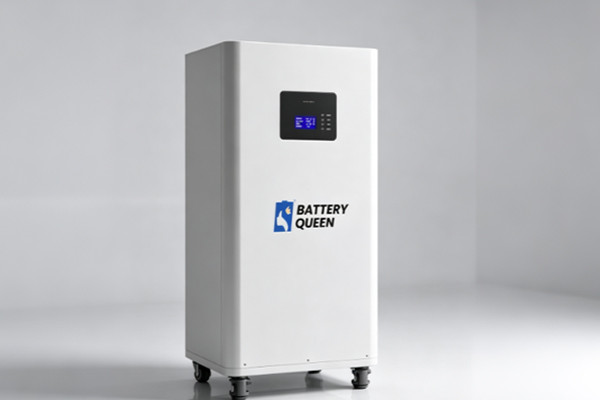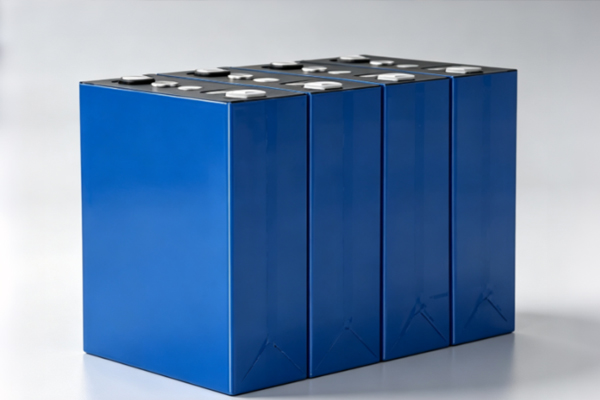
Golf carts are no longer used only on golf courses. They are also commonly used in resorts, hotels, scenic areas, airports, industrial parks, large properties, and industrial sites for passenger transportation, material handling, and short-distance inspections. As vehicle usage increases, conventional lead-acid batteries may experience reduced runtime, long charging times, high weight, and frequent maintenance. As a result, more golf carts are being considered for upgrades to lithium iron phosphate batteries. A suitable upgrade solution can improve runtime, charging efficiency, and daily maintenance while maintaining the vehicle’s basic operating method.
What Conditions Need to Be Confirmed Before Battery Upgrading?
Confirm the Original Vehicle Voltage and Battery Specifications
Common golf cart voltages include 36V and 48V. Different vehicles also use different numbers of batteries and connection methods. Before upgrading, check the original vehicle nameplate, battery labels, and charger parameters to confirm the voltage level originally used by the vehicle. If the original vehicle uses multiple lead-acid batteries connected in series, the upgraded lithium battery system can usually use one lithium battery pack for power supply, but the specific installation method needs to be determined according to the vehicle structure. A battery should not be selected simply based on the name “48V golf cart.” The actual operating voltage of the battery and the requirements of the vehicle controller also need to be confirmed.
Determine Capacity Based on Operating Time
Battery capacity directly affects the operating time after one full charge. Vehicles used for short-distance passenger transportation for several hours per day do not require the same capacity as vehicles operating at high frequency throughout the day.
| Usage Scenario | Battery Capacity Selection | Key Considerations |
| Low-frequency, short-distance use | Medium capacity | Control purchase cost and weight |
| Daily passenger transportation | Standard capacity | Runtime and charging time |
| Golf course all-day operation | Larger capacity | Continuous operating capability |
| High-frequency use in scenic areas and hotels | Determine based on daily mileage | Fast energy replenishment |
| Modified or customized vehicles | Calculate based on available space and power | Battery dimensions and output capability |
Check Installation Space and Weight
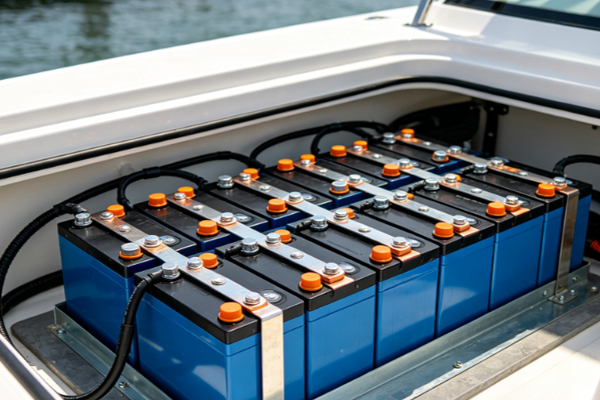
Lead-acid batteries are generally heavy. After upgrading to lithium batteries, the battery section can be significantly reduced in weight, but the new battery still needs to be installed in the vehicle’s original battery compartment or on a customized mounting bracket. When determining the solution, measure the length, width, and height of the battery compartment, and also check the wiring position, fixing method, and heat dissipation space. The more accurately the battery dimensions are confirmed, the smoother the subsequent installation process will be.
How to Upgrade a 48V Golf Cart to a Lithium Battery?
Select a LiFePO4 Battery Pack Suitable for the Vehicle
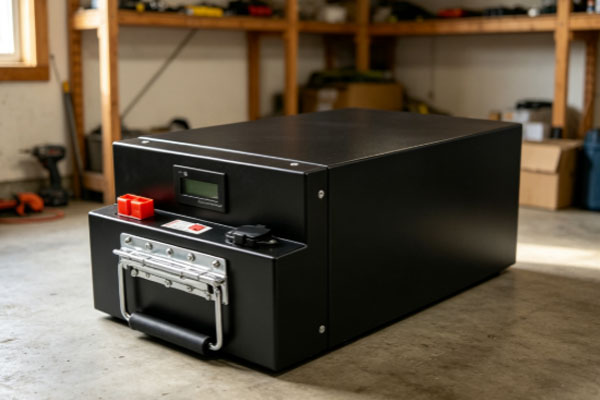
Lithium iron phosphate batteries offer good cycle performance and thermal stability, making them suitable for vehicle applications that require repeated charging and discharging. Compared with traditional lead-acid batteries, lithium battery packs can generally reduce maintenance requirements and provide a lighter battery configuration. Deligreen can provide battery pack solutions such as 51.2V 280Ah, with a rated energy of approximately 14.4kWh. The battery pack can be configured with a 200A smart BMS and CAN/RS485 communication interfaces, with a cycle life of more than 6,000 cycles. Specific parameters are determined according to product design and operating conditions.
Coordinate the BMS with Vehicle Requirements
The BMS is an important component of a lithium battery pack. It manages battery status and provides protection against overcharge, over-discharge, overcurrent, and other conditions. Golf carts are mobile equipment, and relatively high instantaneous current may occur during starting, acceleration, and climbing. Therefore, the continuous discharge capability and peak current capability of the BMS need to be confirmed according to the vehicle controller. If the vehicle needs to read battery capacity, operating status, or fault information, CAN or RS485 communication interfaces can also be added according to requirements. This makes subsequent battery status monitoring more convenient.
The Charger Also Needs to Be Replaced or Confirmed
After upgrading from lead-acid batteries to LiFePO4 batteries, the original lead-acid charger may not be suitable for direct use. Different battery chemistries require different charging parameters. Therefore, when upgrading the battery, check the charger’s output voltage, current, and charging control method at the same time. For golf carts that are used frequently, a more suitable fast-charging solution can also be configured according to the daily operating hours. A higher charger power theoretically results in a shorter charging time, but the actual selection also needs to consider the battery specifications, the charging current allowed by the BMS, and the available power supply conditions.
What Improvements Can Be Expected After Upgrading to Lithium Batteries?
Reduce Daily Maintenance Requirements
During long-term use, lead-acid batteries generally require attention to electrolyte, terminals, and battery condition. LiFePO4 battery packs use an enclosed structure and manage battery status through the BMS, making daily use more convenient. For locations such as hotels, scenic areas, and golf courses with multiple vehicles, reducing the maintenance workload for individual vehicles can also help reduce daily management pressure.
Improve Vehicle Runtime Efficiency
Battery capacity, vehicle load, driving speed, road gradient, and driving habits all affect actual runtime. Therefore, the final driving distance cannot be determined only from the battery’s rated capacity. An upgrade solution usually calculates the required energy based on daily operating hours and travel distance. For example, a vehicle operating for 8 hours per day has significantly different battery capacity requirements from a vehicle operating for only 2 to 3 hours per day. Calculating according to actual operating conditions can help prevent frequent charging caused by insufficient battery capacity while also reducing unnecessary costs caused by excessive capacity.
Reduce the Load Caused by Battery Weight
Lithium batteries generally have a higher energy density than traditional lead-acid batteries. Therefore, a lighter battery configuration can be used when meeting similar power requirements. Reducing vehicle weight may affect acceleration, steering, and overall driving experience, but the actual effect still depends on the vehicle model, load, and battery installation position.
| Upgrade Item | Common Lead-Acid Battery Condition | LiFePO4 Upgrade Solution |
| Battery weight | Heavy | Generally lighter |
| Maintenance requirements | Relatively high | Relatively low |
| Charging method | Lead-acid charger | Dedicated lithium battery charger |
| BMS | Usually no dedicated lithium battery BMS | Dedicated BMS |
| Cycle life | Highly affected by operating conditions | LiFePO4 can achieve a high number of cycles |
| Communication functions | Usually limited | CAN/RS485 available |
| Customization space | Limited by traditional battery specifications | Can be designed according to the application |
What Services Are Required for Customized Golf Cart Lithium Batteries?
Customize from Battery Cells to Battery Packs
Golf cart lithium batteries do not have only one fixed specification. Different vehicles have different voltage, capacity, battery compartment dimensions, discharge current, and communication requirements. Therefore, the battery pack can be designed according to the specific vehicle model. Deligreen focuses on the R&D, production, and sales of LiFePO4 battery cells, battery packs, BMS, and energy storage systems, and provides OEM/ODM services. For customers who need to upgrade multiple vehicles, the corresponding solution can be developed according to the vehicle model, operating time, and installation dimensions.
Provide Supporting Technical Documents and Compliance Documents
When exporting to different countries and regions, battery products generally require relevant transportation, safety, and compliance documentation. Deligreen can provide applicable certificates, transport test summaries, safety data sheets, and compliance reports according to the applicable battery model.
| Customer Requirements | Available Support |
| Battery pack customization | Design of voltage, capacity, dimensions, and other parameters |
| BMS configuration | Selection of protection parameters and communication interfaces |
| OEM/ODM | Product development according to project requirements |
| Bulk purchasing | Production arrangements based on project quantity |
| Export projects | Applicable products and compliance documents |
| Technical confirmation | Assist in confirming the solution according to vehicle parameters |
From Sample Testing to Bulk Application
When a vehicle is being upgraded to lithium batteries, the sample specifications can first be determined according to the actual vehicle parameters, followed by installation and operation testing. During testing, charging time, operating hours, battery temperature, discharge current, and vehicle operation can be recorded. After the sample is confirmed, the project can proceed to mass production, reducing the risk caused by incorrect specification selection. For projects using multiple vehicle models, separate battery models can also be established for easier future purchasing and maintenance.
Frequently Asked Questions
Can the original charger still be used after upgrading to lithium batteries?
This depends on the charger’s output parameters. Lead-acid chargers generally should not be used directly as long-term charging equipment for LiFePO4 batteries. It is recommended to confirm the charger specifications at the same time as the battery upgrade.
Can golf cart lithium batteries be customized in size?
Yes. The battery can be customized according to the available battery compartment space. After the customer provides the vehicle model, battery compartment dimensions, and original battery specifications, the battery pack structure can be further determined.
Can you provide OEM/ODM golf cart batteries?
Yes. Deligreen provides OEM/ODM services for LiFePO4 battery cells, battery packs, BMS, and energy storage products. Products can be customized according to voltage, capacity, dimensions, interfaces, and application requirements.
After upgrading a golf cart to lithium batteries, vehicle runtime, charging efficiency, and daily operating experience are all affected by battery specifications. Different vehicle models have different requirements for voltage, capacity, battery compartment dimensions, discharge current, and charging methods. Therefore, battery selection should be confirmed according to the actual vehicle parameters. If you are planning to upgrade a golf cart from lead-acid batteries to lithium iron phosphate batteries, you can provide the vehicle model, original battery specifications, battery compartment dimensions, and daily operating hours. The Deligreen team can assist in confirming the battery capacity, BMS configuration, charging solution, and installation dimensions based on this information, while also providing OEM/ODM customization services.
Whether you are upgrading a single vehicle or purchasing batteries in bulk for golf courses, hotels, scenic areas, and other applications, you can contact us for further discussion. Deligreen, a professional LiFePO4 battery manufacturer, provides suitable lithium battery upgrade solutions for your golf carts.
WhatsApp: +86 15074995718
Email:info@deligreen.net