Irrigation timers may look like small devices, but they can affect the daily operation of an entire irrigation system. A battery that runs out too quickly can interrupt watering schedules, while an oversized battery may increase cost and installation space for no real benefit. For farms, orchards, and greenhouses, the right battery needs to provide stable power, reliable outdoor performance, and enough runtime between charges. LiFePO4 batteries are becoming a practical option for irrigation timers because they offer long cycle life, stable discharge performance, and flexible battery pack design.
What Battery Does an Irrigation Timer Need? How Much Capacity and Runtime Are Required?
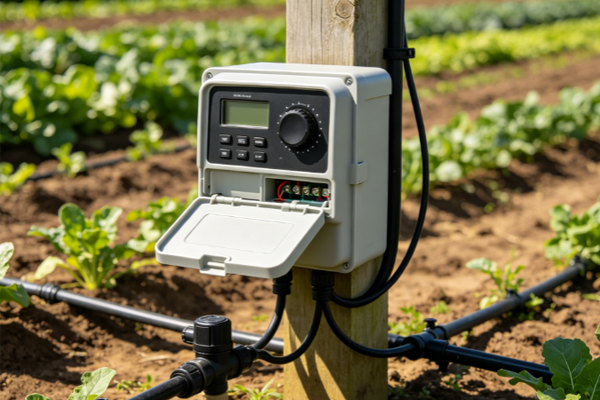
The battery capacity required by an irrigation timer depends on how the system is used. A simple timer controlling one valve has very different power requirements from a smart irrigation controller managing several zones. Before choosing a battery, it is better to look at the controller, valves, sensors, communication modules, and expected operating time together.
How Much Power Does an Irrigation Timer Use Per Day?
An irrigation controller usually consumes relatively little energy, but the total demand increases when solenoid valves, sensors, wireless communication, and control modules are included.
| Irrigation Application | Typical System Setup | Battery Demand |
| Small garden or orchard | Timer + 1–2 valves | Low |
| Greenhouse | Controller + several valves + sensors | Low to medium |
| Multi-zone farm | Controller + multiple valves + sensors | Medium |
| Smart irrigation system | Controller + sensors + wireless communication | Medium to high |
The battery should not be selected based only on the controller’s rated power. The startup current of valves and the operating time between charging cycles also need to be considered.
How Do You Calculate Irrigation Timer Battery Capacity?
A simple calculation can be used as a starting point:
Battery Energy = Load Power × Operating Time
The actual battery capacity should also leave some reserve for cloudy weather, temperature changes, battery aging, and unexpected operating conditions.
- Small irrigation timer: A compact battery can be enough when the timer controls only one or two valves and has a short daily operating period.
- Multi-valve irrigation controller: A larger battery may be required when several valves operate during the same irrigation cycle.
- Smart irrigation controller: Systems using sensors, wireless communication, data transmission, or remote monitoring need additional energy reserves.
- Long-term unattended irrigation: Farms that cannot recharge or inspect the equipment frequently should consider additional battery capacity to reduce the risk of unexpected shutdowns.
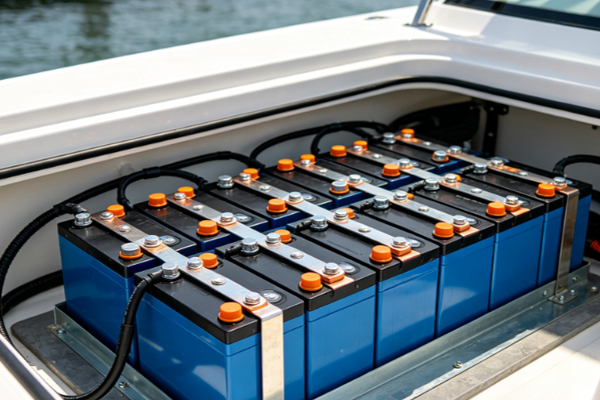
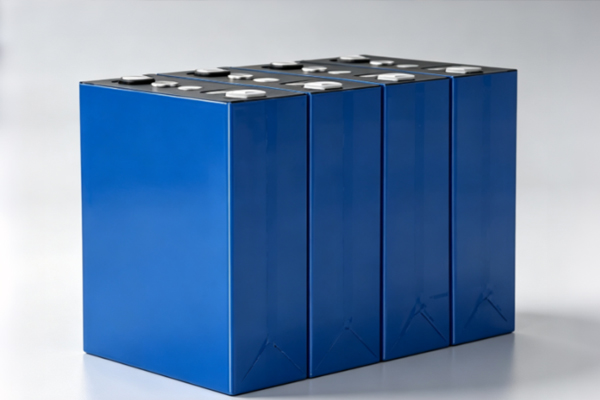
A LiFePO4 battery can also be customized around the actual energy requirement instead of forcing the irrigation system to use a standard battery size. This is useful when the controller has limited installation space or needs a specific connector and mounting method.
Why Is LiFePO4 Suitable for Irrigation Timers?
Irrigation equipment often needs to operate repeatedly throughout the growing season. A battery that can handle frequent charge and discharge cycles is more practical than one that needs regular replacement. LiFePO4 batteries offer stable discharge characteristics, long service life, and good safety performance, making them suitable for irrigation controllers and other agricultural monitoring equipment.
How Can Farm Irrigation Batteries Handle Outdoor Conditions? Can Solar Power Be Used for Charging?
Outdoor irrigation equipment has to deal with heat, humidity, dust, rain, and temperature changes. The battery may be installed inside a control box, near a pump station, or directly beside irrigation equipment. The battery design and enclosure should match the actual installation environment rather than focusing only on capacity.
What Should You Consider for an Outdoor Irrigation Timer Battery?
The outdoor environment can affect both battery performance and service life. A suitable battery pack should be designed with the working environment in mind.
- High temperatures: Prolonged exposure to high temperatures can accelerate battery aging, so heat management and installation location matter.
- Humidity and rain: The battery enclosure, connectors, and cable connections should have suitable protection when installed outdoors.
- Dust and agricultural debris: Dust can enter control cabinets and connectors, making enclosure protection and proper installation important.
- Temperature changes: Farms may experience large temperature differences between day and night, which should be considered when selecting the battery and BMS.
Does an Irrigation Timer Battery Need to Be Waterproof?
The battery itself does not necessarily need to be completely waterproof if it is installed inside a properly protected control cabinet. However, the complete battery system should match the installation environment.
The enclosure, connectors, cable outlets, and mounting structure all need to be considered. If the battery will be directly exposed to outdoor conditions, a more suitable protective enclosure and sealing design should be specified.
Can Solar Power Charge an Irrigation Timer Battery?
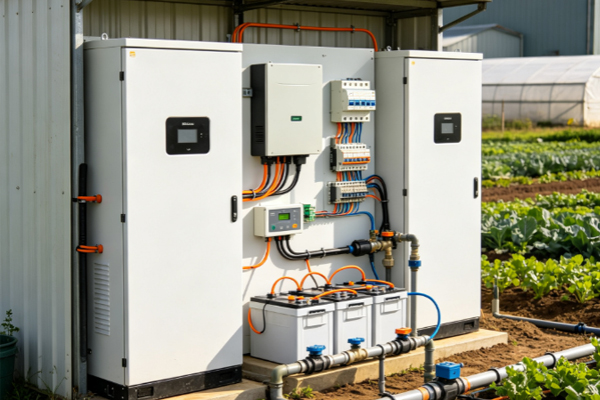
Yes. Solar charging is a practical option for irrigation systems located far from the electrical grid. A solar panel, charge controller, and battery can form a small independent power system for an irrigation timer.
The solar charging system should be sized according to daily energy consumption, local sunlight conditions, battery capacity, and required backup time. The goal is not simply to install the largest possible solar panel, but to make sure the battery can recover enough energy between irrigation cycles.
How Much Battery Storage Does a Farm Irrigation System Need?
The answer depends on the irrigation load and how long the system needs to operate without external power.
| Farm Application | Typical Battery Storage Range | Main Consideration |
| Small orchard | 1–5 kWh | Timer and a few valves |
| Greenhouse | 5–20 kWh | Controllers, valves, sensors |
| Multi-zone field | 10–50 kWh | Multiple valves and longer runtime |
| Smart farm | 20–100 kWh+ | Irrigation, monitoring, communication, automation |
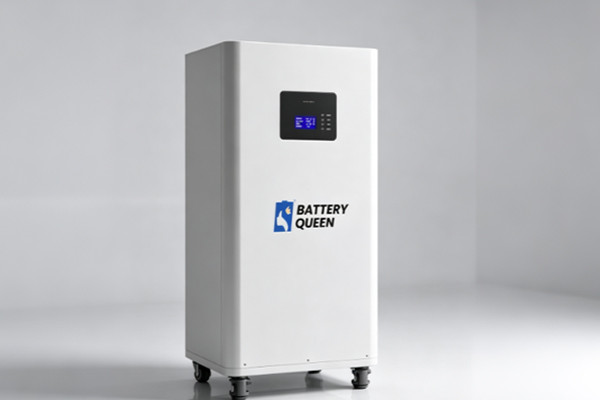
For larger systems, farm battery energy storage can also be expanded in modules. This allows the battery system to grow as the irrigation network, sensors, pumps, or automation equipment are added.
What Parameters Should You Confirm When Purchasing an Irrigation Timer Battery?
Buying an irrigation battery based only on voltage and capacity can easily lead to compatibility problems. The controller, valves, charger, solar system, connectors, mounting space, and BMS all need to work together. Before placing a bulk order, it is worth confirming the complete electrical and mechanical requirements.
What Specifications Should Be Provided for an Irrigation Timer Battery?
A battery supplier will usually need several key parameters to design a suitable battery pack.
- Battery voltage: Confirm the operating voltage required by the irrigation controller and other connected equipment.
- Capacity and runtime: State the expected operating time and how long the system should continue working between charges.
- Maximum charging and continuous discharge current: These values need to match the charger and actual load, especially when valves or other equipment have higher startup current.
- Dimensions, weight, and mounting method: The battery should fit inside the existing control box or installation space.
- Connector and cable requirements: Connector type, cable length, terminal position, and polarity should be confirmed before production.
Providing these details early can reduce compatibility problems and make it easier to develop a battery pack for a specific irrigation controller.
What BMS Functions Should Be Confirmed?
The BMS is an important part of a LiFePO4 battery pack. It monitors battery conditions and provides protection during charging and discharging.
- Overcharge and over-discharge protection: Helps prevent the battery from operating outside its safe voltage range.
- Overcurrent and short-circuit protection: Helps protect the battery when abnormal current conditions occur.
- Temperature monitoring: Tracks battery temperature and can trigger protection when temperatures move outside the specified range.
- Cell voltage monitoring: Keeps track of individual cell conditions to support stable battery operation.
- CAN or RS485 communication: Useful when the irrigation controller or energy management system needs battery status information.
For larger agricultural systems, communication functions can make battery monitoring much easier, especially when equipment is installed in remote locations.
What Should Be Tested Before Ordering Irrigation Battery Samples?
A sample test can reveal problems that are difficult to identify from a specification sheet. Testing the battery with the actual irrigation controller and valves is more useful than checking the battery separately.
- Runtime test: Check whether the battery can support the expected irrigation schedule.
- Valve startup test: Monitor voltage drop when solenoid valves start and stop.
- Solar charging test: Confirm that the battery charges correctly under the planned solar charging system.
- Temperature test: Observe battery performance under the expected outdoor temperature range.
- BMS data test: Check whether protection functions and communication data work correctly with the controller.
For farms looking for a long-term power solution, battery selection should go beyond capacity alone. DELIGREEN can provide LiFePO4 battery solutions, customized battery packs, BMS options, and scalable energy storage configurations for irrigation controllers and agricultural power systems.
A reliable irrigation timer battery should keep the watering schedule running without creating unnecessary maintenance work. By matching battery capacity, discharge performance, outdoor protection, solar charging, BMS functions, and physical dimensions to the real irrigation system, farms can build a more dependable power setup. For small controllers or larger agricultural systems, a properly designed LiFePO4 battery solution can provide stable power and leave room for future expansion.