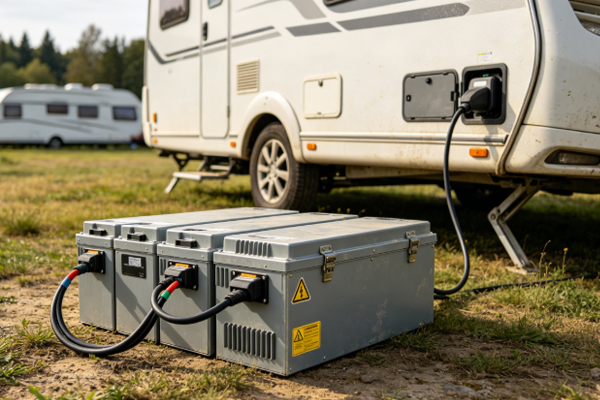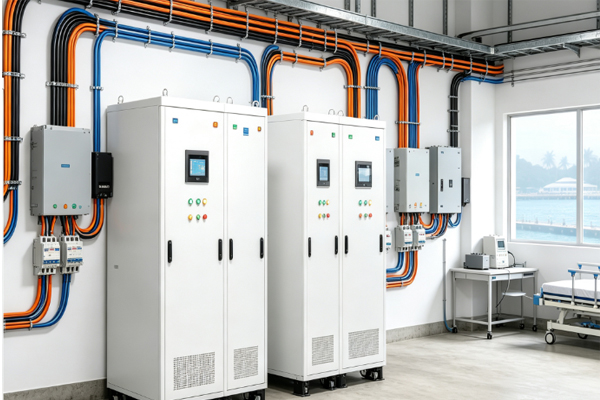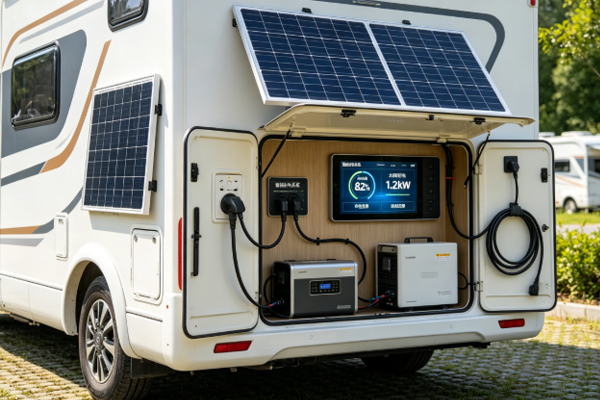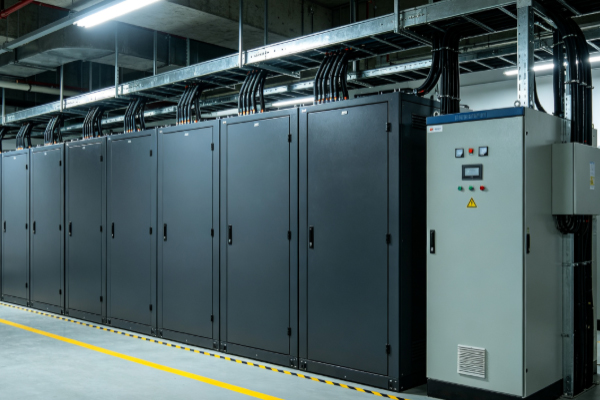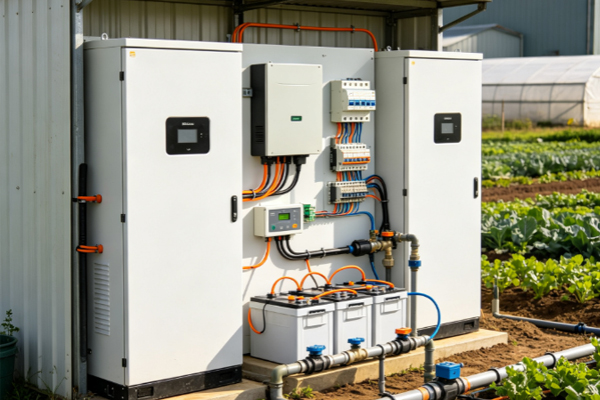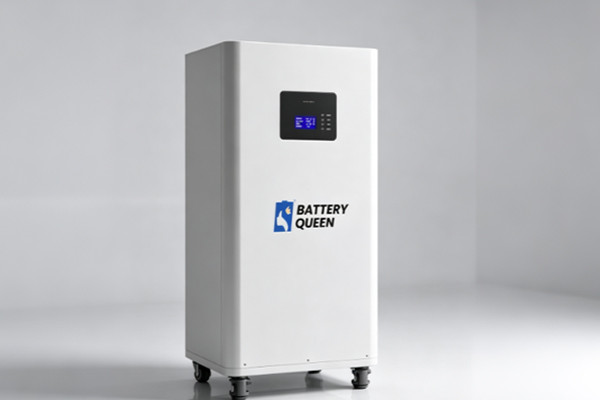
As residential photovoltaic power generation equipment becomes increasingly popular, more and more homes are using rooftop PV modules to generate electricity. When sunlight is sufficient during the day, PV equipment can continuously generate electricity, but household electricity consumption does not always completely match the power generation period. During the day, only refrigerators, routers, lighting, and other equipment may be operating in the home, while electricity consumption from lighting, air conditioners, televisions, water heaters, and other appliances increases at night. If the electricity generated by the PV system is not used in time, its utilization rate may be reduced. After a residential energy storage battery is installed, excess electricity generated during the day can be stored and used at night or when PV generation is insufficient, thereby improving the utilization efficiency of solar power.
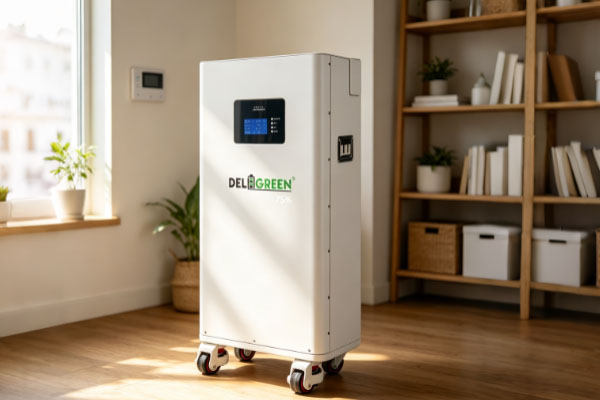
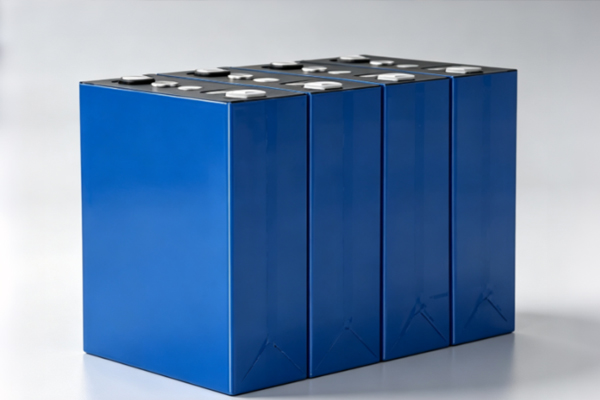
48V lithium iron phosphate battery packs are one of the more common voltage solutions for residential energy storage. Compared with lower-voltage battery configurations, a 48V battery pack can reduce the operating current at the same power level, helping reduce energy loss in the wiring and making connection with some residential energy storage inverters more convenient. Lithium iron phosphate cells offer good safety, cycling capability, and long-term stability, making them suitable for residential energy storage applications that require long-term charging and discharging. Actual projects should not simply use a single standard specification. Battery capacity, continuous discharge current, BMS functions, communication methods, enclosure dimensions, and inverter interfaces all need to be confirmed according to the residential PV equipment. Through cell selection, battery series-parallel design, BMS configuration, structural design, and factory testing, battery products suitable for different residential energy storage requirements can be developed.
Configuration Basics of 48V Residential PV Energy Storage Batteries
Why 48V Solutions Are Commonly Used for Residential PV Energy Storage
48V is a common battery voltage configuration in the residential energy storage field. The nominal voltage of a single lithium iron phosphate cell is usually 3.2V. Multiple cells can be connected in series to form a battery pack close to 48V. A common design uses series connections according to cell specifications and system requirements, with parallel connections used to increase capacity. For example, 16 3.2V lithium iron phosphate cells connected in series have a nominal voltage of 51.2V. This type of battery is also commonly referred to in the market as a 48V lithium iron phosphate battery. During actual operation, the battery pack charging voltage, discharge cutoff voltage, and BMS parameters need to be confirmed with the energy storage inverter. Whether the battery can be used directly cannot be determined only by the name “48V.” For residential PV energy storage projects, a 48V battery pack can be connected to an energy storage inverter to store electricity generated by the PV system. When household electricity is required, the inverter converts the electricity stored in the battery into power that can be used by household equipment.
Capacity Needs to Be Determined According to Household Electricity Consumption
Battery capacity directly affects how much electrical energy can be stored. A common calculation is:
Battery Energy Storage≈Nominal Battery Voltage×Battery Capacity÷1000
For example:
| Battery SpecificationTheoretical Energy StorageCommon Applications | ||
| 48V 100Ah | Approx. 4.8kWh | Small residential energy storage, basic loads |
| 51.2V 100Ah | Approx. 5.12kWh | Residential PV energy storage |
| 51.2V 200Ah | Approx. 10.24kWh | Medium residential energy storage |
| 51.2V 280Ah | Approx. 14.34kWh | Homes with higher electricity consumption |
| 51.2V 314Ah | Approx. 16.08kWh | Larger-capacity residential energy storage |
The actual usable energy is also affected by factors such as depth of discharge, inverter efficiency, BMS protection parameters, and operating conditions. Therefore, selection should not be based solely on theoretical capacity. During customization, the battery can be designed according to daily household electricity consumption, PV installed capacity, nighttime electricity usage, and the desired amount of stored energy. When a longer energy storage duration is required, the capacity of a single battery pack can be increased, or multiple battery packs can be connected in parallel to create a larger energy storage capacity.
Lithium Iron Phosphate Cells Are Suitable for Long-Term Energy Storage
Residential energy storage batteries need to undergo long-term and repeated charging and discharging, making cell stability highly important. Lithium iron phosphate cells offer good thermal stability and cycling performance and are widely used in energy storage applications. During battery pack customization, cells with different capacities can be selected according to capacity, installation space, and cost requirements. Cell consistency also affects the long-term operating performance of the battery pack. Therefore, cell screening, matching, and performance testing are required during production.
Custom Design of 48V Lithium Iron Phosphate Battery Packs
Cells and Capacity Can Be Customized According to Requirements
PV power, electricity consumption, and installation space vary between residential properties, so battery capacity should not be fixed. A customized battery pack can be designed starting with cell capacity, followed by series and parallel configuration. For example, if a household requires approximately 8kWh of electricity at night, a battery configuration in the 10kWh class can be selected and adjusted according to actual depth of discharge and inverter efficiency. If the household needs to store more excess PV electricity during the day, battery capacity can be increased further. Wall-mounted installation, energy storage cabinet installation, garage installation, and indoor equipment room installation have different requirements for battery dimensions. A customized battery pack can adjust enclosure dimensions, wiring methods, terminal positions, and mounting structures according to the installation location.
The BMS Provides Battery Operating Protection
The BMS is an important component of a 48V lithium iron phosphate battery pack. It can monitor cell voltage, battery temperature, charging and discharging status, and other conditions and provide protection when abnormalities occur. In residential energy storage applications, the BMS generally needs to provide overcharge protection, over-discharge protection, overcurrent protection, short-circuit protection, and temperature protection. Some projects also require data communication between the battery and inverter, so corresponding communication functions can be configured according to equipment requirements. The customization services provided on the official website support the design of BMS, enclosures, connectors, and other battery pack components. CAN, RS485, Bluetooth, and other communication methods can be selected according to project requirements.
Communication and Inverter Compatibility Need to Be Confirmed in Advance
After a 48V battery pack is installed, it needs to be connected to the energy storage inverter. Different inverter brands and models may use different communication protocols. Therefore, the inverter brand, model, communication method, and relevant technical requirements need to be provided when customizing the battery. If only voltage is considered while communication requirements are ignored, the battery may be able to complete basic charging and discharging but may not be able to properly read SOC, battery status, and other information. Providing inverter information at the beginning of the project can reduce commissioning time later.
Customization Process for Residential PV 48V Batteries
Determine Specifications Based on Actual Requirements
The following basic information can be provided before customization:
- PV system power and inverter model
- Target battery voltage, capacity, and quantity
- Expected amount of energy to be stored and used each day
- Battery installation location and available space
This information helps determine cell specifications, battery capacity, BMS parameters, and enclosure structure.
Complete the Battery Pack Structural Design
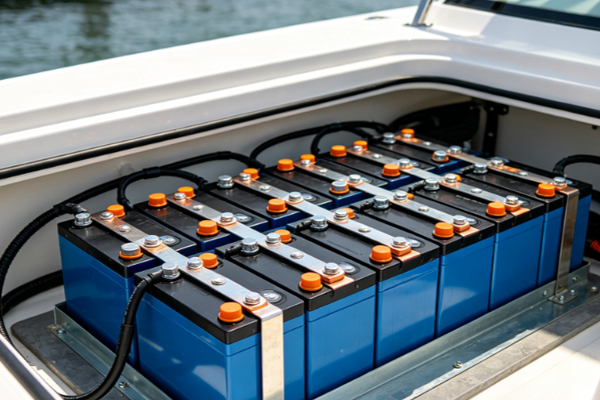
After determining the cells and capacity, the battery pack structure needs to be designed, including cell arrangement, connection method, BMS installation position, wiring harness length, fuse protection, output interface, and enclosure dimensions. For wall-mounted installation, the battery enclosure can be designed according to the available wall space. For energy storage cabinet installation, battery height, width, depth, and maintenance space need to be confirmed. For residential energy storage projects requiring multiple battery packs in parallel, the connection method between the individual battery packs also needs to be considered.
| Customization ItemAdjustable Content | |
| Cells | Capacity, dimensions, model |
| Voltage | 48V class, 51.2V, etc. |
| Capacity | 100Ah, 200Ah, 280Ah, 314Ah, etc. |
| BMS | Protection parameters, communication functions |
| Enclosure | Dimensions, installation method, structure |
| Interfaces | Terminals, wiring harnesses, connectors |
| Brand | Logo, labels, packaging |
| Documentation | Relevant documentation according to the product and target market |
Custom Cell, Custom Pack, Custom BMS, and Brand & Label services are currently available. Capacity, dimensions, voltage, BMS, enclosure, connectors, and packaging can be adjusted according to project requirements.
Conduct Testing After Production
After battery pack assembly is completed, voltage, capacity, protection functions, communication functions, appearance, and other items need to be inspected. For batch projects, consistency between products from different batches also needs to be maintained. Confirming the actual battery pack parameters before shipment can reduce commissioning issues after installation. For export projects, relevant documentation also needs to be confirmed according to the transportation method and target market. The official website lists supporting documents including CE, UN38.3, MSDS, and RoHS. Specific documentation needs to be confirmed according to the product model and target market.
Use and Supporting Applications of Residential PV Energy Storage Batteries
Store Excess PV Electricity During the Day
When PV modules generate a high amount of electricity during the day, household loads have priority for using the generated power, while excess electricity can be stored in the 48V lithium iron phosphate battery pack. This can reduce situations where excess PV electricity is directly wasted. At night, when PV generation decreases or stops, the energy storage battery can continue supplying power to household loads. In regions with peak and off-peak electricity pricing, charging and discharging times can also be adjusted according to local electricity prices and equipment functions.
Configure Discharge Capability According to Household Loads
Battery capacity determines how much electricity can be stored, while discharge capability determines the size of the load that can be supported at the same time. For example, when a household needs to operate a refrigerator, lighting, television, network equipment, and selected kitchen appliances simultaneously, the total power and starting current of these appliances need to be confirmed. If higher-power equipment such as air conditioners and water pumps also needs to be supported, batteries and BMS units with sufficient continuous discharge capability need to be selected. Therefore, capacity and discharge current need to be confirmed together. Simply increasing the Ah capacity does not necessarily mean that the battery can support higher-power household equipment.
Support Expansion with Multiple Battery Packs
As household electricity consumption increases, a single battery pack may not provide a sufficiently long energy storage duration. A 48V battery configuration that supports expansion can increase overall energy storage capacity by adding battery packs. Before expansion, it is necessary to confirm whether the inverter supports multiple batteries connected in parallel and whether the BMS, battery communication, and protection parameters meet the requirements. When installing multiple battery packs, the battery specifications should remain consistent and connections and commissioning should be performed according to the manufacturer’s requirements.
Frequently Asked Questions
What is the difference between a 48V lithium iron phosphate battery and a 51.2V battery?
Many lithium iron phosphate batteries commonly referred to as 48V batteries in the market actually use 16 lithium iron phosphate cells connected in series, with a nominal voltage of 51.2V. “48V” is more commonly used as a designation for the application voltage class. When purchasing, the actual nominal voltage, charging voltage, and inverter requirements should be checked rather than relying only on the product name.
What capacity 48V battery is required for residential PV energy storage?
The required capacity needs to be determined according to daily electricity consumption, nighttime electricity consumption, PV installed capacity, and backup duration. For example, if approximately 8kWh is required at night, a storage capacity in the 10kWh class can be evaluated first and then adjusted according to actual depth of discharge and conversion losses.
Can the battery be customized according to dimensions?
Yes. The battery pack enclosure dimensions, cell arrangement, interface positions, wiring harnesses, and installation method can be adjusted according to the available installation space. The official website provides Custom Pack services and can design battery packs, BMS, enclosures, and connectors according to project requirements.
Are OEM/ODM services available?
Yes. For batch projects, voltage, capacity, BMS communication, enclosure, brand identification, packaging, and other specifications can be customized according to customer requirements. OEM/ODM battery customization services are also currently available.
What battery documentation is required for export?
Requirements may vary depending on the product, transportation method, and destination country. Common documents include UN38.3, MSDS, CE, and RoHS. Specific documentation should be confirmed during the project stage according to the battery model, destination, and transportation method.
Professional Lithium Iron Phosphate Battery Manufacturer
Deligreen specializes in the R&D, production, and sales of lithium iron phosphate battery cells, battery packs, BMS, and energy storage products, providing OEM/ODM services for customers worldwide. Products include lithium iron phosphate cells, LiFePO4 battery packs, DIY battery boxes, BMS accessories, and energy storage products, with customization available for voltage, capacity, enclosure, communication, packaging, and other specifications. The official website states that corresponding certification and transportation documents can be provided according to project requirements, along with product consultation and delivery services for customers worldwide. If you are looking for a 48V lithium iron phosphate battery for residential PV energy storage, you can provide the inverter model, required battery capacity, purchase quantity, installation space, and target country, and our professional team can confirm suitable cell, battery pack, and BMS configurations according to your actual requirements. Whether you need standard battery procurement, sample testing, or bulk OEM/ODM projects, specifications and documentation requirements can be discussed in advance to reduce issues during product selection and subsequent installation.
WhatsApp: +86 15074995718
Email:info@deligreen.net