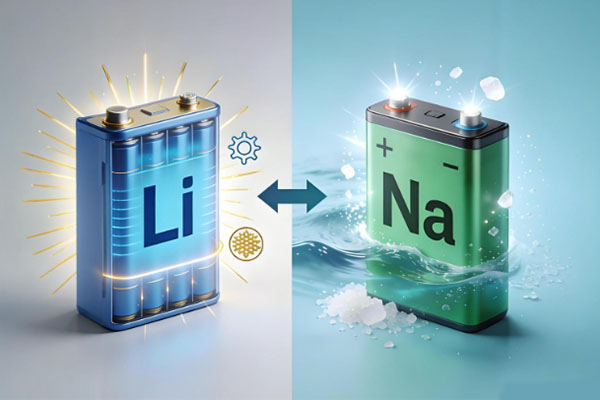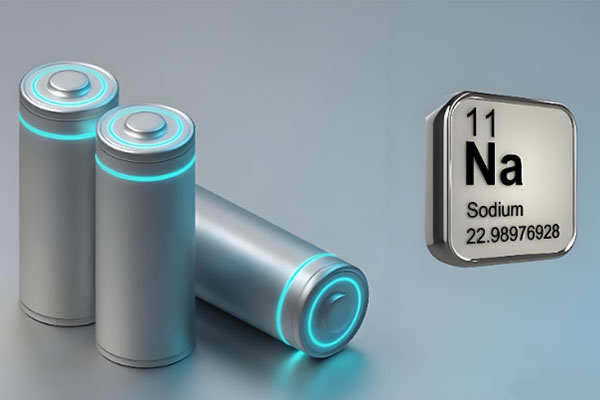
As the demand for energy storage, electric transportation, and backup power continues to grow, sodium-ion batteries are becoming an important technology in the next generation of rechargeable batteries. Compared with lithium-ion batteries, sodium-ion batteries offer potential advantages such as abundant raw materials, lower material costs, and good low-temperature performance. However, when evaluating sodium-ion batteries, energy density remains one of the most important technical indicators.So, how high is the energy density of sodium-ion batteries? What factors affect their energy density, and which applications are most suitable for this technology? This article explores these questions in detail.
What Is the Energy Density of Sodium-Ion Batteries?
What Does Battery Energy Density Mean?
Battery energy density generally refers to gravimetric energy density and volumetric energy density.
Gravimetric energy density is measured in Wh/kg and indicates how much electrical energy a battery can store per unit of weight. Volumetric energy density is measured in Wh/L and indicates how much energy can be stored within a specific volume.
For mobile applications such as electric scooters, electric tricycles, and portable energy storage systems, gravimetric energy density is particularly important because battery weight directly affects vehicle load and driving range.
Current Energy Density of Sodium-Ion Batteries
The energy density of sodium-ion batteries varies depending on cathode and anode materials, cell design, and manufacturing technology. Current sodium-ion battery cells generally fall within the range of approximately 90–175 Wh/kg, while advanced commercial cells can reach around 175 Wh/kg.
As sodium-ion battery technology continues to develop, optimized cells are gradually approaching the energy density levels required for a wider range of commercial applications.
Although sodium-ion batteries currently have a lower energy density than some high-energy lithium-ion batteries, the gap is narrowing as material systems and cell structures improve.
What Determines the Energy Density of Sodium-Ion Batteries?
Cathode Materials
Cathode materials are one of the key factors affecting sodium-ion battery energy density. Current technology mainly includes layered oxides, polyanionic compounds, and Prussian blue-based materials.Different cathode systems have different characteristics in terms of operating voltage, specific capacity, cycle life, and structural stability.Layered oxide materials, for example, have relatively high energy density potential and are an important research direction for developing higher-performance sodium-ion batteries.
Hard Carbon Anodes
Hard carbon is an important anode material for sodium-ion batteries. Because sodium ions are larger than lithium ions, conventional graphite cannot simply be used in the same way as it is in lithium-ion batteries.Hard carbon materials need to balance several factors, including reversible capacity, initial Coulombic efficiency, rate performance, and cycle stability.Improving hard carbon performance can increase the overall energy utilization of the sodium-ion cell and contribute to higher energy density.
Cell Structure and Manufacturing Technology
Material performance is not the only factor determining battery energy density. Electrode thickness, current collectors, separator materials, electrolyte quantity, casing weight, and cell structure all influence the final Wh/kg and Wh/L values.Even cells based on the same battery chemistry can have significantly different energy densities because of differences in structural design and manufacturing processes.Therefore, when evaluating sodium-ion batteries, it is important to look beyond the theoretical capacity of individual materials and focus on the actual performance of the complete battery cell.
Why Is the Energy Density of Sodium-Ion Batteries Relatively Moderate?
Electrochemical Characteristics of Sodium
Sodium ions have a larger ionic radius and higher mass than lithium ions. Sodium also has different electrochemical characteristics, which creates certain limitations on the amount of energy that can be stored per unit of weight and volume.
The larger size of sodium ions and the related ion transport behavior can affect electrode reaction kinetics and overall battery performance.
The Technology Is Still Being Optimized
Compared with mature battery technologies, sodium-ion batteries have entered commercial development relatively recently. Materials, electrode structures, and manufacturing processes are still being optimized.
Current research focuses on increasing cathode capacity, improving hard carbon anodes, reducing the proportion of inactive materials, and improving cell manufacturing efficiency.
With continued optimization, sodium-ion battery cells are expected to achieve higher energy density while maintaining their advantages in safety, cost potential, and low-temperature operation.
Energy Density Is Not the Only Factor When Choosing Sodium-Ion Batteries
Energy Storage Systems Require Comprehensive Performance
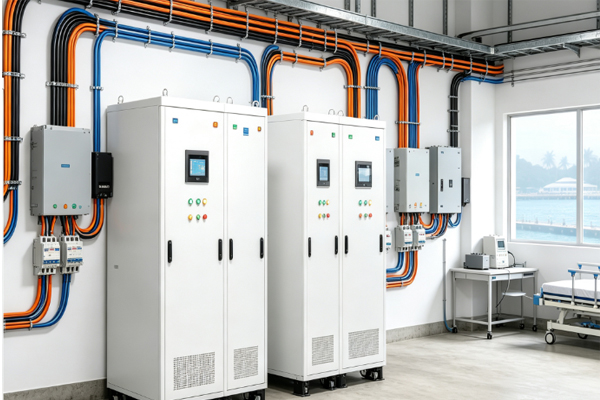
For residential energy storage, solar energy storage, communication backup power, and industrial energy storage systems, battery suitability does not depend entirely on Wh/kg.System cost, cycle life, safety, charging and discharging performance, operating temperature, maintenance requirements, and service life can all influence the overall value of a battery system.Because sodium resources are widely available, sodium-ion batteries have the potential to reduce dependence on certain raw material supply chains. This makes them particularly attractive for stationary energy storage applications where weight and volume are less restrictive.
Potential for Short- and Medium-Range Electric Vehicles
The current energy density of sodium-ion batteries is still lower than that of some high-performance lithium-ion batteries. However, they can be suitable for applications where extremely long driving range is not the primary requirement.Potential applications include electric two-wheelers, electric tricycles, urban delivery vehicles, industrial vehicles, and other short- to medium-range transportation equipment.As energy density continues to improve, sodium-ion batteries may become suitable for an increasingly broad range of electric mobility applications.
Can the Energy Density of Sodium-Ion Batteries Increase in the Future?
The answer is yes. Research and development efforts are targeting higher energy density for the next generation of sodium-ion batteries.Future improvements are expected to focus on high-capacity cathode materials, high-capacity hard carbon anodes, improved electrode utilization, and lightweight cell structures.However, future sodium-ion battery development should not focus solely on one energy density figure. The real competitiveness of a battery depends on the balance between energy density, cycle life, safety, low-temperature performance, charging speed, and overall system cost.A battery with slightly lower energy density can still be highly competitive if it offers better safety, longer service life, lower cost, or stronger environmental adaptability.
Overall, the current energy density of sodium-ion batteries is generally around 90–175 Wh/kg, with advanced cells reaching approximately 175 Wh/kg. Although this remains lower than some high-energy lithium-ion battery technologies, the performance gap is gradually narrowing.The advantages of sodium-ion batteries extend beyond energy density. Abundant sodium resources, potential cost advantages, good low-temperature characteristics, and continued improvements in battery safety and cycle performance make this technology increasingly attractive for energy storage and electric mobility.With ongoing advances in cathode materials, hard carbon anodes, cell structures, and manufacturing processes, sodium-ion batteries are expected to achieve higher energy density in the future.For stationary energy storage, backup power, electric tricycles, short-range electric vehicles, and other applications where extreme energy density is not the only priority, sodium-ion batteries provide a promising and practical energy storage solution.