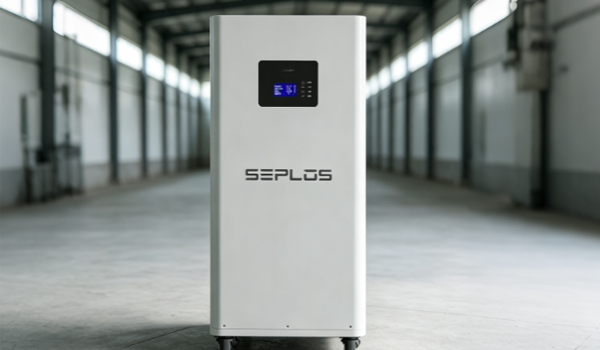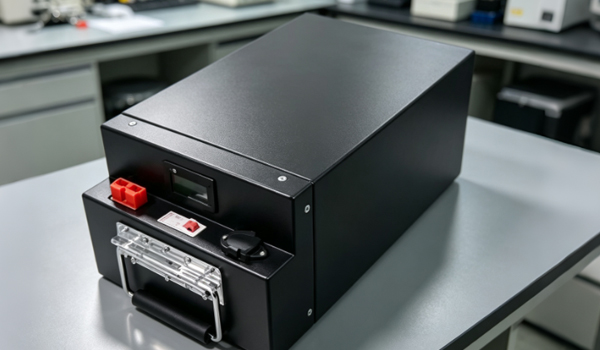
As urban logistics, express delivery, agricultural transportation, industrial parks, and community services continue to develop, electric tricycles are increasingly used for long-hour commercial transportation. Some vehicles need to operate throughout the day while facing different conditions, including high temperatures, low temperatures, rain, humidity, dust, and challenging road conditions.
For these applications, a standard battery may not provide the required balance of range, stability, safety, and environmental adaptability. An effective all-weather battery solution for electric tricycles should therefore be designed around battery cells, capacity, BMS, battery structure, and environmental protection.With a properly customized battery system, electric tricycles can better meet the power requirements of long-term, high-frequency operation in different environments.
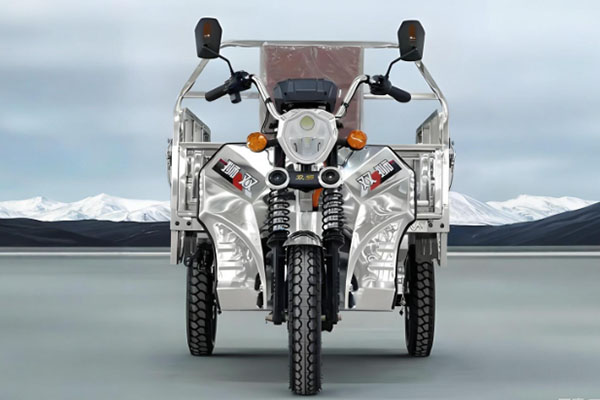
Why Do Electric Tricycles Need All-Weather Battery Solutions?
Higher Stability Requirements for Long-Hour Operation
Logistics and commercial transportation vehicles may operate for several hours every day. Long operating periods mean the battery experiences more frequent charging and discharging cycles, creating higher requirements for battery stability and cycle performance.
If battery capacity is insufficient, the vehicle may need to stop and recharge frequently during working hours. This can reduce transportation efficiency and increase operational difficulties. Therefore, all-day electric tricycles require a battery capacity that matches their daily mileage and operating schedule.
Different Weather Conditions Affect Battery Performance
Electric tricycles may operate in hot summers, cold winters, rainy seasons, and humid environments. Changes in ambient temperature can affect battery charging and discharging performance, while rain, dust, and moisture create additional requirements for battery enclosures, connectors, and wiring protection.
An all-weather battery solution should therefore consider not only battery capacity but also the actual operating environment and protection requirements.
How to Choose an All-Weather Battery for Electric Tricycles?
Match Battery Capacity to Actual Vehicle Conditions
Battery capacity should be selected according to the vehicle’s rated voltage, motor power, payload, daily driving distance, and operating hours.For electric cargo tricycles that operate for extended periods, increasing battery capacity can help reduce the need for mid-day charging. However, a larger battery is not always better. Excessive capacity may increase vehicle weight, installation requirements, and overall cost.An effective battery solution should achieve a practical balance between driving range, weight, installation space, and cost.
LiFePO4 Batteries for Long-Term Operation
LiFePO4 batteries offer favorable safety and cycle performance characteristics, making them suitable for commercial electric vehicles and power battery systems that require long-term operation.
For all-weather electric tricycles, different LiFePO4 battery capacities and voltage configurations can be selected according to vehicle requirements. An appropriate BMS can then be integrated to monitor and manage battery operation.
Key Components of an All-Weather Battery Solution
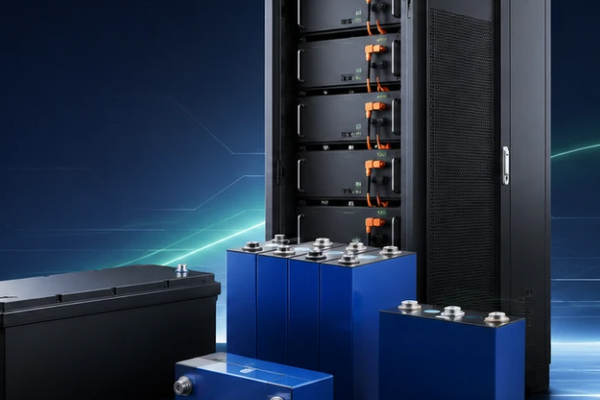
A complete electric tricycle battery system should consider the battery cells, BMS, enclosure, connectors, wiring, and charging equipment as an integrated solution.
| Configuration | Main Function | Benefits for All-Weather Operation |
| LiFePO4 Cells | Store and deliver electrical energy | Supports long-term cycling |
| Battery Capacity | Provides energy required for vehicle operation | Meets extended driving requirements |
| BMS | Monitors and manages battery conditions | Provides multiple protection functions |
| Battery Enclosure | Protects internal cells and wiring | Improves environmental adaptability |
| Connectors & Wiring | Transfers power and signals | Maintains stable electrical connections |
| Charger | Charges the battery | Ensures charging system compatibility |
| Communication Module | Transmits battery operating data | Facilitates battery monitoring and management |
How Can Battery Performance Be Maintained in High and Low Temperatures?
High-Temperature Environments
During summer transportation, electric tricycle batteries may be exposed to high ambient temperatures for extended periods. Proper battery structure, BMS management, and battery installation can help reduce the impact of high-temperature operating conditions on the overall battery system.
For vehicles operating in hot regions, factors such as ambient temperature, daily operating hours, and available battery installation space should be considered during the battery design stage.
Low-Temperature Environments
Cold temperatures can affect battery charging and discharging performance as well as the actual driving range of electric vehicles. When developing battery solutions for cold climates, manufacturers should evaluate the minimum operating temperature and the vehicle’s daily operating schedule.
For electric tricycles exported to different countries and regions, battery configurations can also be customized according to the climate conditions of the target market.
BMS: An Important Part of an All-Weather Battery System
Real-Time Battery Monitoring
The Battery Management System (BMS) can monitor operating parameters such as battery voltage and current according to the system design. It can also provide protection functions such as overcharge, over-discharge, and overcurrent protection.
For electric tricycles that operate for long periods, an effective BMS can improve battery monitoring and management capabilities.
Smart Communication Functions
Depending on vehicle and project requirements, battery systems can be equipped with communication options such as CAN, RS485, or Bluetooth. These functions enable data exchange between the battery, vehicle control system, and other monitoring equipment.
For commercial fleets, communication functions can make it easier for operators to monitor battery operating conditions and organize routine maintenance.
Battery Solutions for Different All-Weather Applications
Urban Logistics and Delivery
Urban delivery vehicles often operate throughout the day and experience frequent starts and stops. Battery solutions should focus on driving range, cycle performance, stable power output, and charging efficiency.
Agricultural Transportation
Agricultural transportation vehicles may carry heavy loads and operate on rural roads, slopes, and different terrain conditions. Battery configuration should therefore consider motor power, payload, range, and environmental adaptability.
Industrial Park and Warehouse Transportation
Industrial parks, warehouses, and logistics centers often require electric tricycles to perform frequent short-distance transportation tasks. Battery solutions for these applications should emphasize stable power delivery, cycle performance, and compatibility with extended daily operating hours.
Deligreen All-Weather Battery Solutions for Electric Tricycles
Deligreen provides battery cells, battery packs, BMS, and OEM/ODM customization services for different electric tricycle models and operating environments. Customers can determine battery specifications according to vehicle voltage, capacity, dimensions, communication requirements, and working conditions.
For projects in different countries and regions, battery configurations can be developed according to local climate conditions, vehicle usage frequency, and transportation requirements.
Through requirement analysis, solution design, sample testing, and mass production, Deligreen can provide customized power battery solutions for electric tricycles, logistics vehicles, and commercial fleets.
How to Improve Battery Efficiency for All-Weather Electric Tricycles?
The actual performance of a battery system depends not only on battery cells but also on vehicle load, driving conditions, charging practices, and maintenance.
During daily operation, long-term overloading should be avoided, and the charger should match the battery specifications. Regular inspection of the battery system, connectors, and wiring can also help identify potential issues at an early stage.
For large commercial fleets, operators can maintain battery usage and maintenance records and schedule inspections according to vehicle mileage and battery operating conditions. This can help reduce vehicle downtime caused by battery-related issues.
For logistics delivery, urban cargo transportation, agricultural distribution, and industrial transportation, a reliable power battery is essential for electric tricycles that need to operate for extended periods.An effective all-weather battery solution for electric tricycles should consider battery capacity, LiFePO4 cells, BMS, battery structure, charging requirements, and environmental adaptability as a complete system.Deligreen can provide customized battery solutions based on vehicle models, operating hours, payload requirements, and climate conditions. With battery cells, battery packs, BMS, and OEM/ODM services, Deligreen provides flexible all-weather electric tricycle battery solutions for manufacturers, logistics companies, agricultural transportation businesses, and commercial electric vehicle fleets.