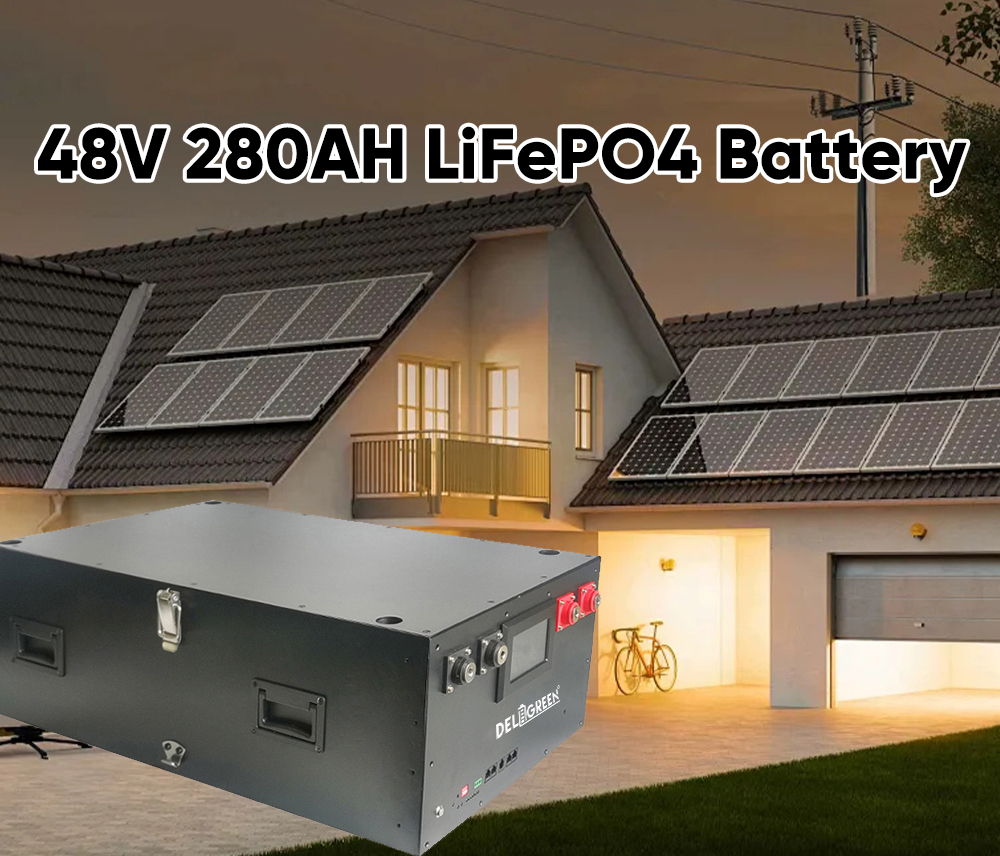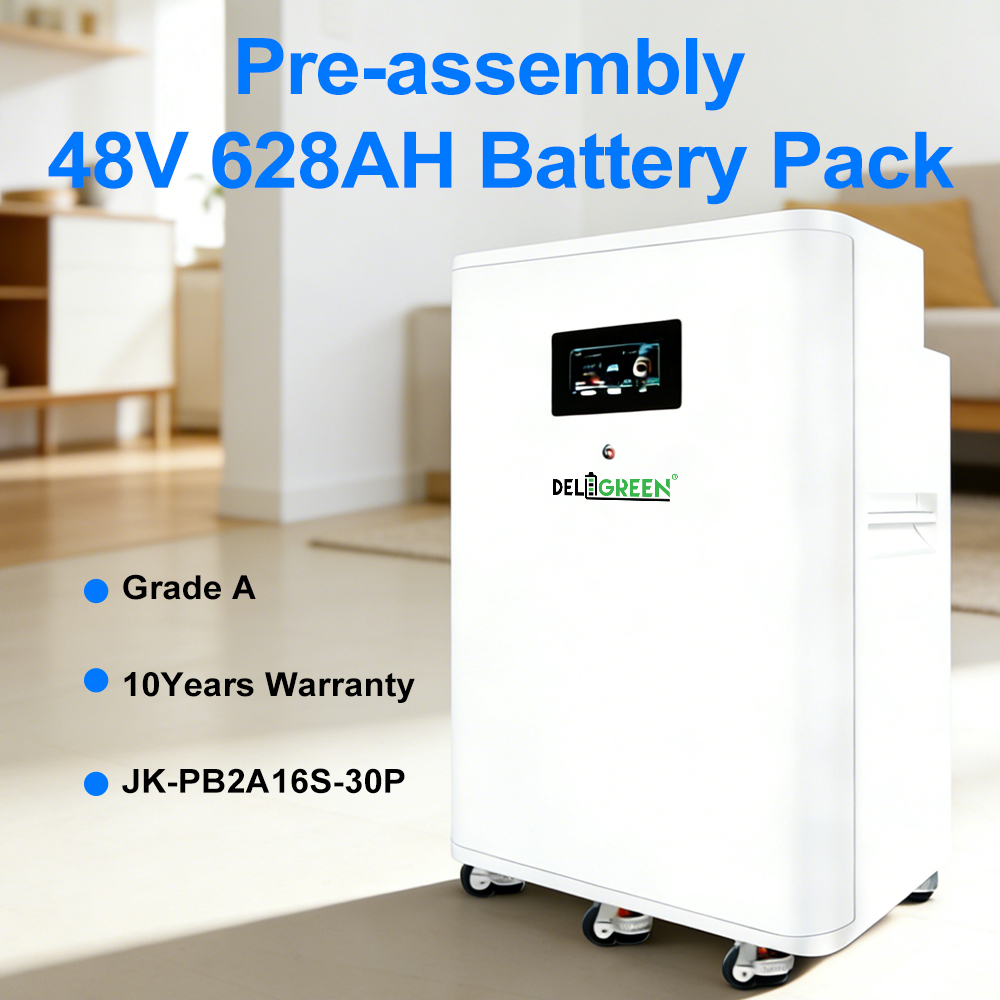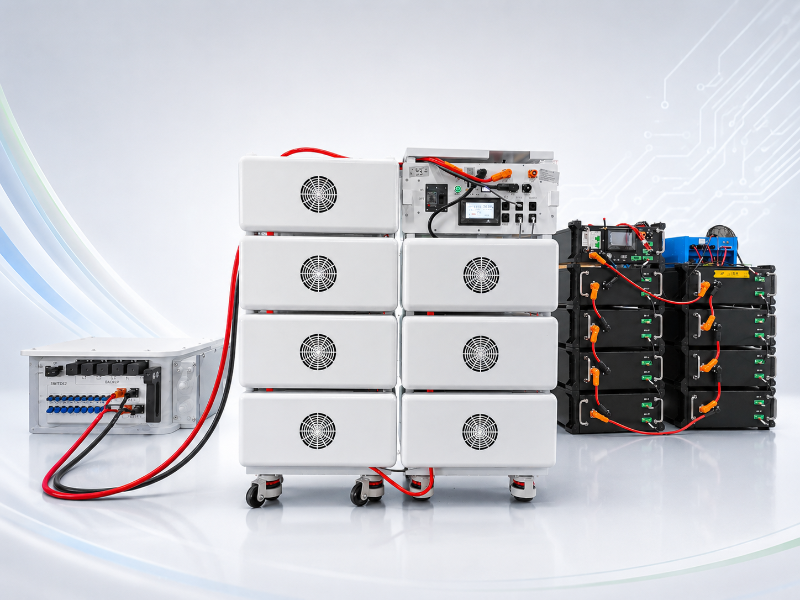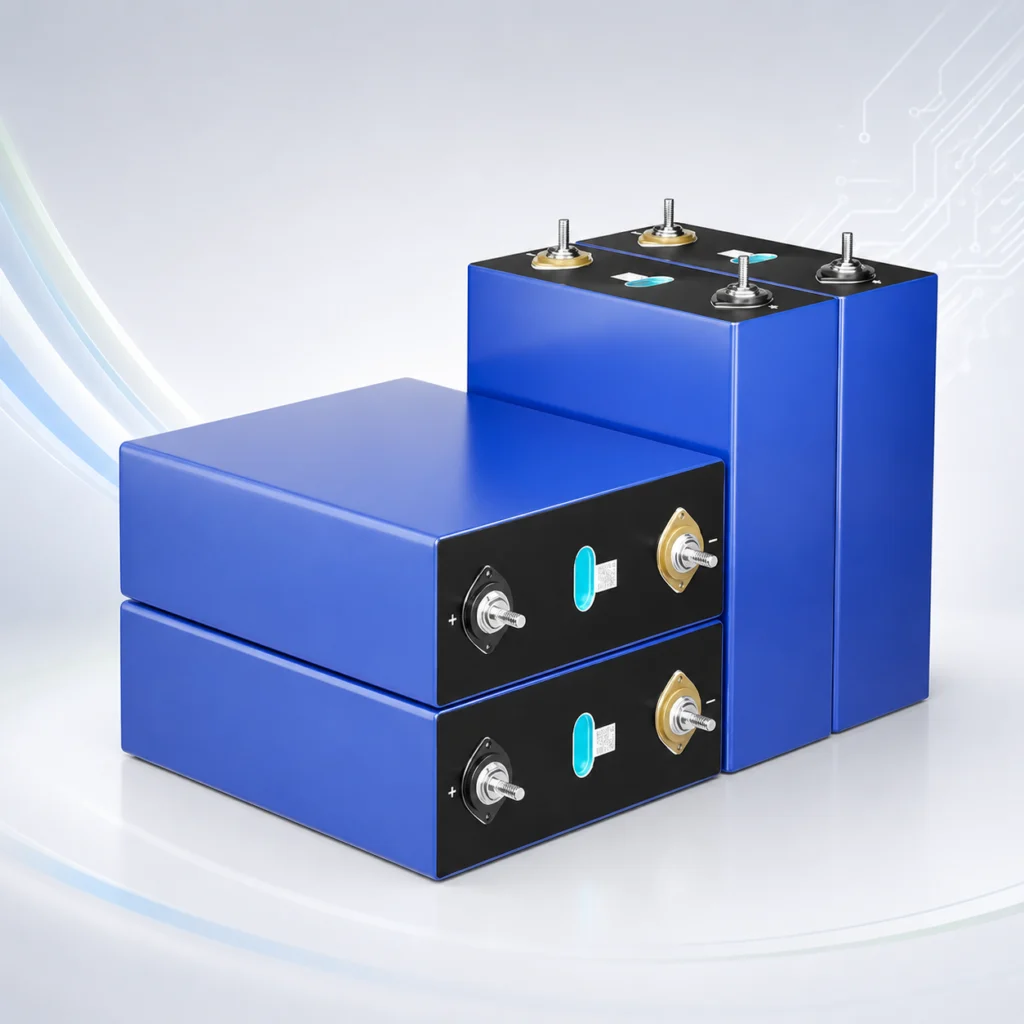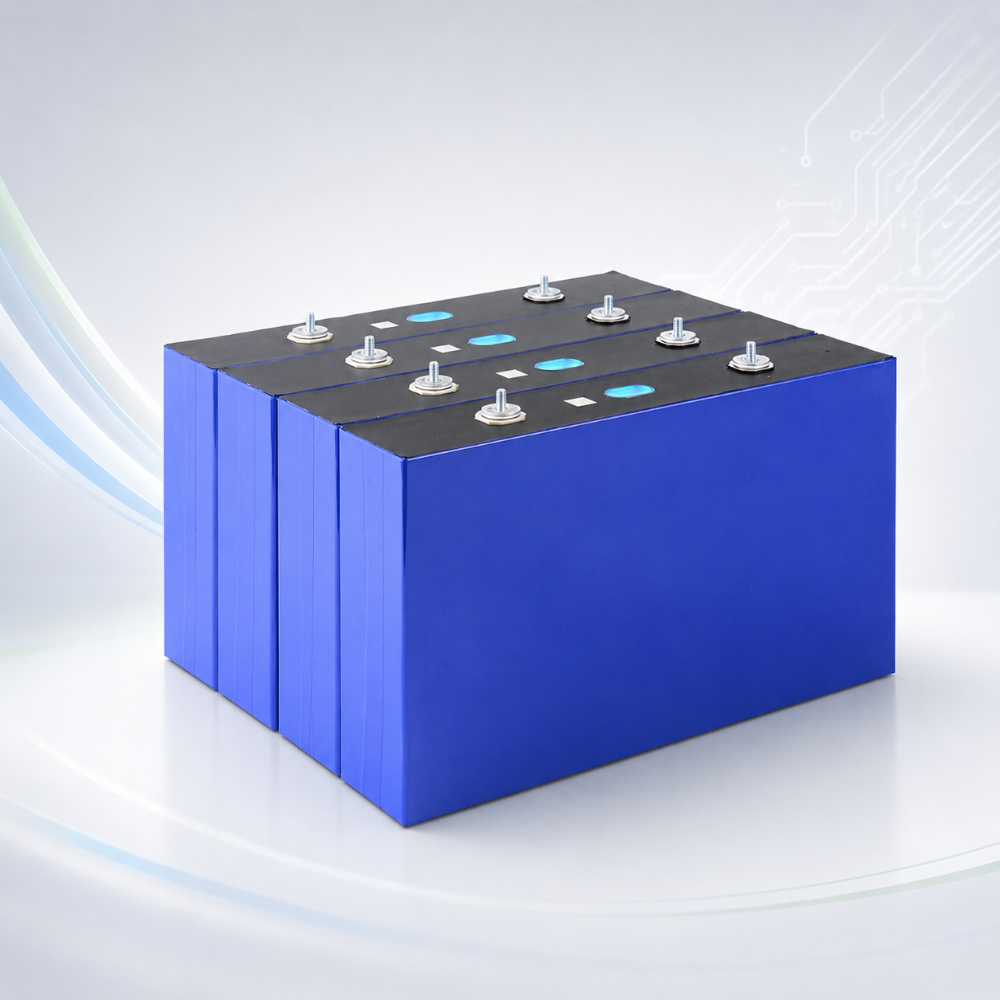
Battery packs provide continuous power and store energy during equipment operation. The charging and discharging process directly affects capacity retention, output stability, and operational safety. Charging current, discharge load, operating temperature, cell consistency, and BMS management status can all affect battery pack performance. Some abnormalities may not cause immediate failures but can gradually worsen over long-term cycling. A reasonable charging and discharging management plan should be developed according to the battery pack specifications and operating environment.
Key Issues to Consider During Charging
The charging stage involves parameters such as current, voltage, and temperature, which must be managed according to the battery pack’s design specifications.
Control Charging Current and Voltage
Appropriate charging parameters are essential for stable battery pack operation. During use, pay attention to the following:
- Match the rated parameters: The output voltage and current of the charger should meet the battery pack’s design requirements.
- Avoid abnormal charging: Do not use chargers with incompatible specifications or abnormal operating conditions.
- Monitor the charging status: If abnormal heating, unusual odors, deformation, or other issues occur, stop using the battery pack immediately and arrange for professional inspection.
Appropriate charging parameters can reduce the additional stress placed on the cells and provide stable conditions for long-term cycling.
Avoid Charging at Extreme Temperatures
Ambient temperature can change the internal reaction conditions of battery cells, so extra attention is required in both low- and high-temperature environments. Charging at high temperatures may accelerate material aging, while charging at low temperatures may create greater electrochemical risks. In practical applications, charging should be managed according to the cell type and the temperature range set by the BMS.
How to Maintain Stability During Discharging
During discharge, the battery pack continuously supplies electrical energy to the load. Both the load level and operating time affect the working condition of the cells.
Avoid Long-Term High-Current Discharge
When high-load equipment is operating, the internal current of the battery pack increases, making heat generation and voltage fluctuations more noticeable.
- Monitor the equipment load: Operating above the designed load for extended periods increases stress on the battery pack.
- Control continuous high-power operation: Frequent high-power output may accelerate cell aging.
- Monitor temperature increases: If the temperature rises abnormally during discharge, reduce the load promptly and check the system status.
Properly controlling the discharge intensity helps maintain the output capability and cycling performance of the battery pack.
Prevent Over-Discharge
Over-discharge may cause some cells to enter a low-voltage range. Repeated occurrences over the long term may affect capacity retention. The battery pack should be managed through BMS undervoltage protection and appropriate cutoff-voltage settings. The equipment should also avoid operating for extended periods at extremely low charge levels.
Temperature Management During Charging and Discharging Should Not Be Overlooked
Temperature affects battery pack service life and operating condition. Effective heat dissipation and environmental control can reduce heat accumulation.
Reduce Continuous Operation in High-Temperature Environments
High temperatures can accelerate certain side reactions and may increase the aging rate of battery cells. For large-capacity battery packs, temperature differences between different locations should also be monitored.
- Keep heat dissipation paths clear: Avoid placing objects around the battery pack that could obstruct heat dissipation.
- Monitor the temperature of key areas: Use temperature sensors to identify abnormal heat sources promptly.
- Optimize structural heat dissipation: Select suitable thermal management solutions, such as air cooling or liquid cooling, according to the power level and operating environment.
The more stable the temperature control, the easier it is to keep the battery pack within a reasonable operating range during long-term charging and discharging.
Pay Attention to Low-Temperature Operating Conditions
Low temperatures may reduce discharge capability. When charging at low temperatures, follow the operating range specified by the cell manufacturer and avoid exceeding the permitted conditions.
BMS and Cell Consistency Determine Charging and Discharging Reliability
A battery pack consists of multiple individual cells. Differences between cells gradually become more apparent during long-term cycling, while the BMS is responsible for monitoring and protection.
Strengthen Cell Condition Monitoring
During battery pack operation, continuously monitor changes in the condition of individual cells:
- Voltage differences: Increasing voltage deviations between cells may affect the overall usable capacity.
- Temperature differences: Abnormal local temperatures may indicate problems with connections, heat dissipation, or cell condition.
- Capacity changes: After long-term cycling, evaluate the actual performance of the battery pack based on operating data.
Timely monitoring of individual cell conditions helps identify potential abnormalities and prevent problems from worsening.
Use BMS Protection Functions Properly
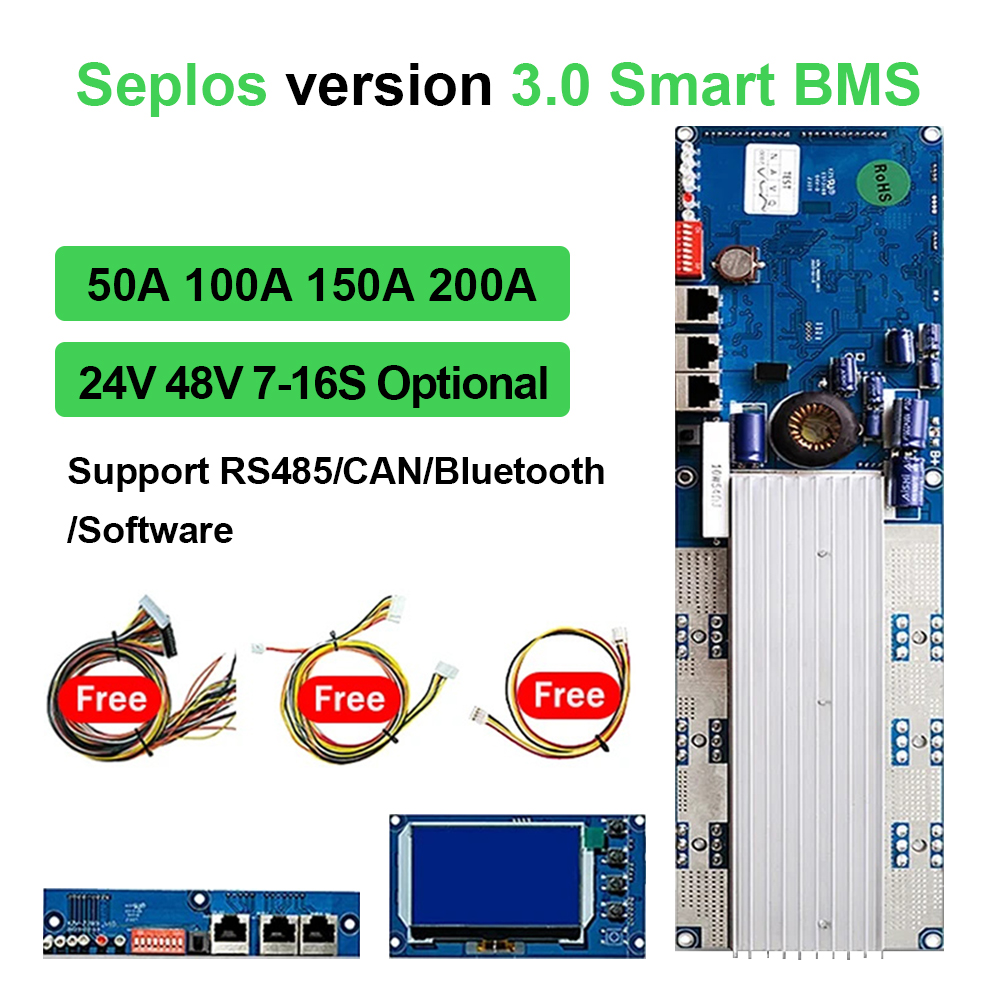
The BMS typically monitors voltage, current, and temperature. According to preset strategies, it provides overcharge, over-discharge, overcurrent, and temperature protection. It can also improve differences between cells through balancing management. In practical applications, configure the relevant parameters according to the battery chemistry and product design, and avoid changing protection thresholds arbitrarily.
Regularly Inspect Connections and Overall Condition
In addition to the cells, connectors, wiring harnesses, fuses, and heat dissipation structures can also affect the charging and discharging stability of the battery pack. During routine inspections, pay attention to the following:
- Inspect connectors: Confirm that terminals and connectors are securely connected, and avoid looseness, oxidation, or poor contact.
- Check the wiring harness: Look for aging, damage, or peeling insulation.
- Inspect protection components: Confirm that the fuse and circuit breaker have suitable specifications and operate properly.
- Check the enclosure and heat dissipation: Inspect the enclosure for deformation or damage and ensure that heat dissipation paths remain clear.
- Address abnormalities promptly: If poor contact, abnormal temperatures, or other issues are found, stop using the battery pack and have it inspected by qualified professionals.
Regularly inspecting these components helps maintain stable battery pack operation and reduce safety risks.
In practical use, corresponding inspection and maintenance procedures should also be established according to the battery pack’s application scenario. Charging and discharging data, temperature changes, and abnormal alarm information should be recorded. If capacity decreases, voltage differences increase, or appearance abnormalities occur, arrange an inspection promptly to prevent the issue from affecting equipment operation. By continuously improving operating standards and maintenance measures, battery pack efficiency can be enhanced and more stable power support can be provided for equipment.