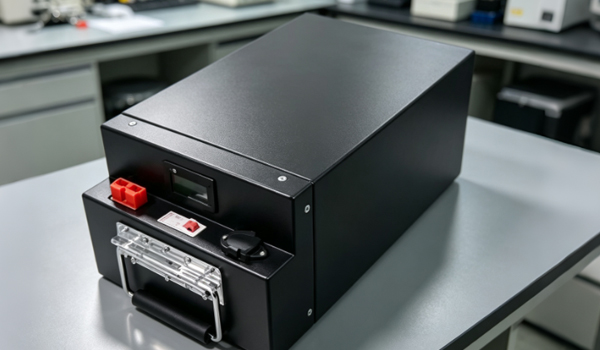
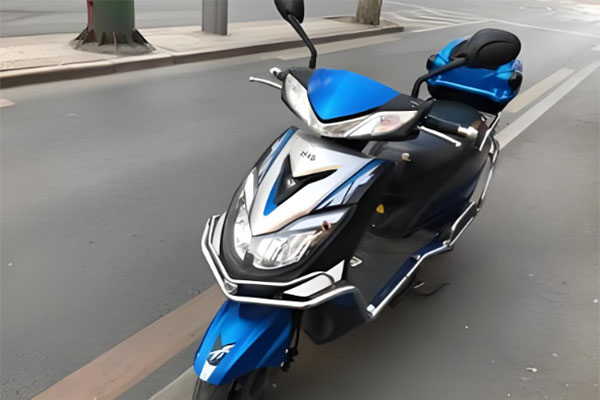
With the continuous growth of shared mobility, electric scooters are becoming increasingly popular for short-distance transportation in tourist attractions, campuses, industrial parks, and urban areas. With their flexibility, convenience, and easy parking, electric scooters have become an important part of modern shared transportation systems. For shared electric scooter operators, the battery is one of the key components determining vehicle availability and operating efficiency.
Shared scooters operate differently from personal electric scooters. They may be used by multiple riders every day, experience frequent charging and discharging, and remain outdoors for extended periods. As a result, shared mobility batteries need reliable cycle life, stable power output, comprehensive safety protection, and convenient maintenance. A properly designed electric scooter sharing battery solution can help operators improve fleet utilization while reducing long-term maintenance and replacement costs.
What Are the Battery Requirements for Shared Electric Scooters?
Support High-Frequency Use
Shared electric scooters may serve multiple users every day, resulting in significantly higher usage frequency than personal vehicles. Frequent charging and discharging can place greater demands on battery cycle life.
Therefore, shared mobility batteries should use cells with stable cycle performance and incorporate appropriate charging and discharging management to minimize capacity degradation during long-term operation.
Provide Stable Riding Range
Shared electric scooters typically operate within specific service areas, but actual riding distances and usage times vary between users. If the battery range is too short, operators need to arrange charging or battery replacement more frequently, increasing labor and management costs.
Battery capacity should be selected according to motor power, maximum payload, average riding distance, and daily operating hours. The goal is to achieve a practical balance between riding range, battery weight, and overall cost.
Adapt to Outdoor Operating Conditions
Shared electric scooters may remain outdoors for long periods and operate under different environmental conditions. Battery systems should therefore take factors such as temperature, humidity, vibration, and dust into consideration.
A suitable battery housing and protection design can help the battery better adapt to real-world operating environments and improve long-term reliability.
Core Design of Shared Mobility Battery Solutions
Intelligent BMS for Better Battery Management
The Battery Management System is an important component of a shared electric scooter battery. By monitoring voltage, current, temperature, and state of charge, the BMS helps keep the battery operating within an appropriate range.
For shared mobility projects, additional functions such as battery status monitoring, fault recording, and communication can be integrated according to specific requirements. This allows operators to manage their fleets more efficiently.
Modular Design for Easy Battery Replacement
Shared electric scooter fleets may contain hundreds or thousands of vehicles. When a battery needs inspection or replacement, maintenance efficiency becomes particularly important.
A modular and removable battery design can make battery replacement faster. Operators can maintain a stock of spare batteries and quickly replace batteries that are depleted or require maintenance, helping reduce vehicle downtime.
Customized Battery Design for Different Scooter Models
Different shared electric scooter models may have different battery installation spaces, voltage requirements, capacities, connectors, and housing structures. Customized battery solutions can be designed according to the specific vehicle structure to improve compatibility and installation efficiency.
Battery Requirements for Different Shared Mobility Applications
| Application Scenario | Usage Characteristics | Core Battery Requirements | Recommended Solution |
| Urban Shared Mobility | Frequent short-distance use | Cycle life, stability | High-cycle lithium battery + BMS |
| Tourist Attraction Scooters | Fixed-area operation | Range, safety | Customized-capacity battery + intelligent BMS |
| Campus Shared Mobility | Frequent use, short distances | Safety, lightweight design | Medium-capacity battery + protection system |
| Industrial Park Transportation | Daily inspection and commuting | Stable output, durability | High-cycle battery + modular design |
| Resort Mobility | Long-term outdoor operation | Environmental adaptability, easy maintenance | Customized battery + protective housing |
How Can Shared Electric Scooter Operators Reduce Battery Operating Costs?
Extend Battery Service Life
For shared mobility operators, battery replacement is an important component of long-term operating costs. High-quality battery cells, appropriate charging strategies, and reliable BMS protection can help reduce unnecessary battery degradation.Operators can also regularly monitor battery capacity and operating conditions. Maintenance and replacement can then be scheduled according to actual battery performance instead of relying solely on fixed replacement intervals.
Improve Vehicle Utilization
Vehicle availability is one of the most important performance indicators for shared mobility operators. Long charging times or inefficient battery replacement can prevent scooters from returning to service quickly.Using spare batteries, modular battery systems, and centralized charging management can shorten charging and maintenance periods and help keep more vehicles operational.
Establish a Standardized Battery Management System
For large-scale shared scooter projects, standardizing battery specifications, connectors, and maintenance procedures can simplify fleet management.Standardized battery systems can reduce inventory complexity while also lowering training and maintenance costs for service personnel.
Why Do Shared Mobility Projects Need Customized Batteries?
The operating requirements of shared electric scooters are different from those of ordinary consumer vehicles. When purchasing batteries, businesses need to consider vehicle design, usage frequency, daily mileage, rider payload, charging methods, and local environmental conditions.
OEM and ODM customization can be used to optimize battery dimensions, voltage, capacity, connectors, housing structure, BMS functions, and power output according to the requirements of specific scooter models.
For large shared mobility companies, battery solutions can also be combined with battery protective cases, maintenance toolboxes, and spare battery management systems. This creates a more complete solution for battery transportation, storage, inspection, and maintenance.
Future Trends in Electric Scooter Sharing Battery Solutions
Future shared mobility batteries will place greater emphasis on long cycle life, safety, intelligent management, and modular design. As fleet sizes continue to expand, operators will have increasing demand for battery status monitoring, efficient maintenance, rapid replacement, and centralized management.
Therefore, an effective electric scooter sharing battery solution should focus on more than battery capacity. It should comprehensively consider riding range, cycle life, safety protection, environmental adaptability, maintenance efficiency, and total lifecycle cost.
With appropriate battery configuration and professional supporting management solutions, businesses can improve shared electric scooter utilization, reduce maintenance expenses, and provide reliable power support for urban shared mobility, tourist attractions, campuses, industrial parks, and resort transportation.