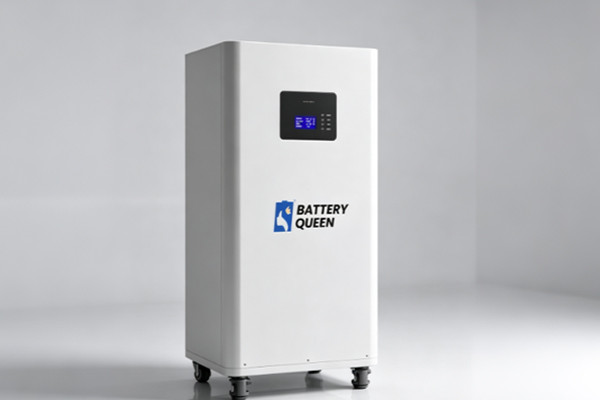
Lithium iron phosphate (LiFePO4) batteries are widely used in RV energy storage, residential energy storage, solar energy systems, communication backup power, electric equipment, and commercial and industrial energy storage. As the applications of LiFePO4 batteries continue to expand, the charger used with the battery has also become increasingly important. A high-quality LiFePO4 battery charger is not simply a device that supplies electrical energy. It needs to be properly matched with the battery chemistry, nominal voltage, capacity, and BMS specifications. A suitable charger can provide stable charging voltage and current, allowing the battery to charge according to an appropriate charging curve while reducing the possibility of overvoltage, overcurrent, overheating, and other abnormal conditions. When choosing a charger, users should also consider output voltage, charging current, charging mode, protection functions, thermal management, connector specifications, and operating environment. For a LiFePO4 battery sales website, providing clear information about these parameters can help customers select compatible charging equipment more accurately.
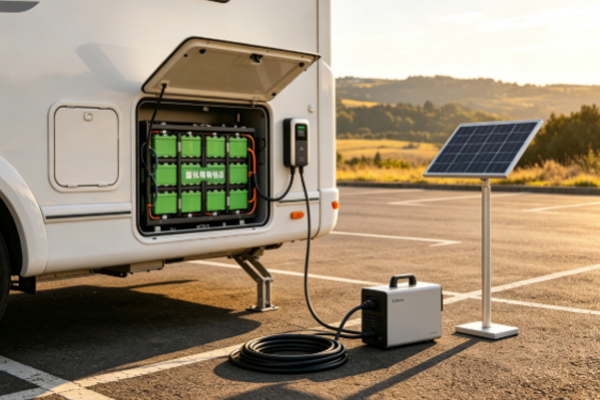
Confirm Compatibility Between the Charger and LiFePO4 Battery
When selecting a LiFePO4 battery charger, the battery’s nominal voltage is an important parameter to check. A single LiFePO4 cell generally has a nominal voltage of 3.2V. Different numbers of cells can be connected in series to create common battery systems such as 12.8V, 25.6V, and 51.2V. The required charger output voltage also changes accordingly. For example, a 12.8V LiFePO4 battery commonly has a full-charge voltage of approximately 14.6V, while a 25.6V battery generally uses a charging voltage of around 29.2V. A 51.2V battery commonly requires a charging voltage of approximately 58.4V. The exact specifications should always follow the battery manufacturer’s technical documentation.
In addition to output voltage, users should check whether the charger’s rated output current falls within the limits permitted by the battery and BMS. A charging current that is too low can result in a longer charging time, while excessive current may increase the thermal load on the battery and charger. High-quality chargers generally provide clear specifications for input voltage, output voltage, output current, supported battery chemistry, and charging mode, allowing users to determine compatibility before purchasing.
Key Features of a High-Quality LiFePO4 Battery Charger
High-quality chargers generally feature reliable circuit design, quality electronic components, appropriate charging control, and comprehensive safety protection. When purchasing a charger, users should check the product label and technical specifications instead of comparing products based only on price or rated power.
- Accurate output voltage: The charger should provide stable output voltage that matches the battery’s charging requirements and avoid prolonged operation with excessive or insufficient voltage.
- Appropriate charging current: The charging current should be selected according to battery capacity and the manufacturer’s recommended charging specifications to maintain a suitable charging speed and control operating temperature.
- Intelligent charging control: Charging stages such as constant-current and constant-voltage charging should transition appropriately to maintain stable charging and reduce the risk of overcharging.
- Comprehensive protection: Overvoltage, overcurrent, short-circuit, over-temperature, and reverse-polarity protection can help reduce risks during abnormal operating conditions.
- Effective thermal management: Heat sinks, cooling fans, or well-designed internal layouts can help the charger maintain an appropriate operating temperature during extended use.
- Reliable electrical insulation: Proper isolation and insulation between the input and output circuits can improve electrical safety during operation.
These specifications can be compared directly with the battery’s technical requirements. A charger with clearly labeled parameters, comprehensive protection functions, reliable construction, and explicit LiFePO4 compatibility is generally more suitable for long-term use.
How Should Charger Output Voltage and Current Be Selected?
The charger’s output voltage must match the charging requirements of the LiFePO4 battery. This is a basic condition for determining whether the charger is suitable. For a common 4S LiFePO4 battery, the nominal voltage is 12.8V and the full-charge voltage is generally around 14.6V. A charger designed for the appropriate charging voltage should be used instead of simply replacing it with a standard 12V power supply. An 8S 25.6V battery generally uses a charging voltage of approximately 29.2V, while a 16S 51.2V battery commonly corresponds to a charging voltage of approximately 58.4V.
Charging current should be selected according to battery capacity, BMS specifications, and the manufacturer’s recommended charging current. For example, two 12.8V LiFePO4 batteries with different capacities or designs may support different charging currents. A smaller battery may be paired with a lower-current charger, while a larger energy storage battery may support a higher charging current depending on its design.
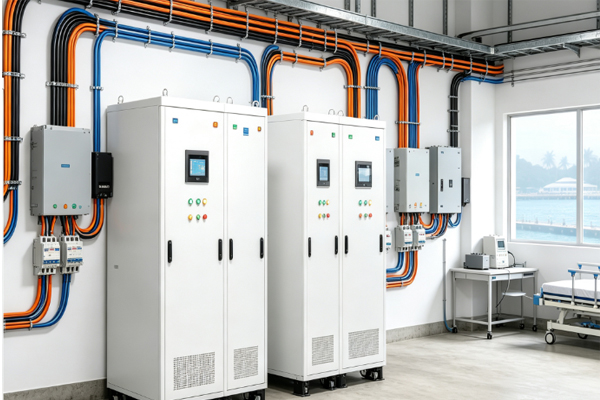
Charger power is also related to output voltage and current. Users should ensure that the input power supply, output power, and installation environment are suitable for continuous operation. For large energy storage systems, charger specifications should be checked together with the battery, BMS, inverter, and other system components.
What Details Should Be Considered When Using a High-Quality Charger?
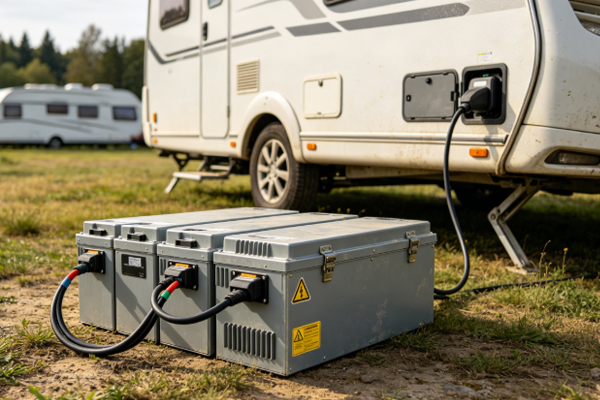
Using a properly matched charger can improve charging stability, but correct operation is equally important. Before connecting the charger, confirm that the positive and negative terminals are correctly positioned and check whether the plugs, terminals, and cables are loose, damaged, or showing signs of abnormal heating. The charger should be installed in a well-ventilated location and should not be covered by clothing, packaging materials, or other objects that could interfere with heat dissipation. For RVs, outdoor energy storage, and residential energy storage applications, users should also select equipment with suitable protection for the actual operating environment.
- Check battery condition: Before charging, confirm that the battery has no visible damage and that its terminals are secure and free from abnormal heating.
- Maintain good ventilation: Chargers generate heat during operation, so adequate airflow should be maintained around the equipment.
- Avoid mixing incompatible specifications: LiFePO4 batteries with different voltage ratings should not share chargers arbitrarily. 12.8V, 25.6V, and 51.2V systems require corresponding charging specifications.
- Monitor the charging process: If charging frequently stops or triggers alarms, abnormal heating, or BMS protection, stop using the equipment and check the charger and battery specifications.
- Follow manufacturer maintenance requirements: After extended use, inspect charging connectors, thermal management components, and power cables to ensure the charger remains in good operating condition.
Correct operation helps maintain stable charger performance and can reduce equipment problems caused by incorrect connections, insufficient cooling, or incompatible charging parameters.
Why Is a High-Quality LiFePO4 Battery Charger Worth Choosing?
The value of a high-quality LiFePO4 battery charger is not limited to charging speed. Stable long-term operation, comprehensive protection, and compatibility with the battery are equally important. Stable output voltage can reduce the possibility of abnormal voltage fluctuations during charging, while appropriate constant-current and constant-voltage control allows the battery to charge according to its designed parameters.
For residential and commercial energy storage systems, chargers may operate for extended periods. Reliable circuit construction and effective thermal management can reduce heat accumulation during continuous operation. For RV and outdoor applications, chargers may also need to handle different power supply conditions while maintaining good portability and reliability.
When purchasing a LiFePO4 battery charger, users should select a product based on the battery’s nominal voltage, capacity, maximum charging current, and BMS specifications. The charger should clearly support LiFePO4 batteries and provide suitable charging parameters. For different voltage classes such as 12.8V, 25.6V, and 51.2V, the corresponding charging specifications must be used.
Users should not focus only on maximum power or the lowest price. Output voltage stability, charging current, protection functions, thermal design, connector quality, product certifications, and long-term reliability should all be considered. For energy storage systems that operate frequently or continuously, a properly matched, well-protected, and reliable LiFePO4 battery charger can provide stable charging performance and support the dependable operation of the entire battery system.